

 Latest editorial
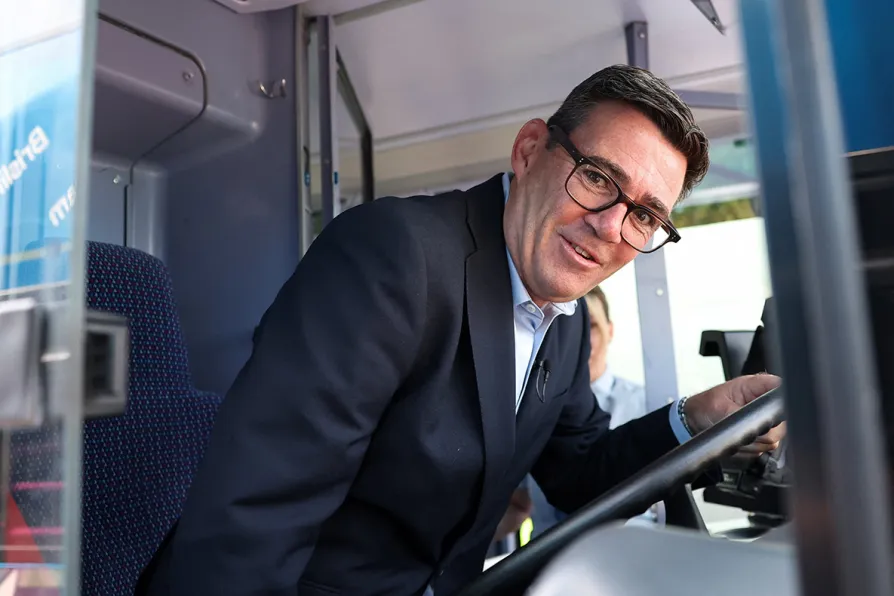 Prime Minister Andy Burnham is shown the driver's area on a FirstGroup bus during a visit to a bus station in Bath, Somerset to highlight what the government is doing to help families with the cost of living, July 22, 2026


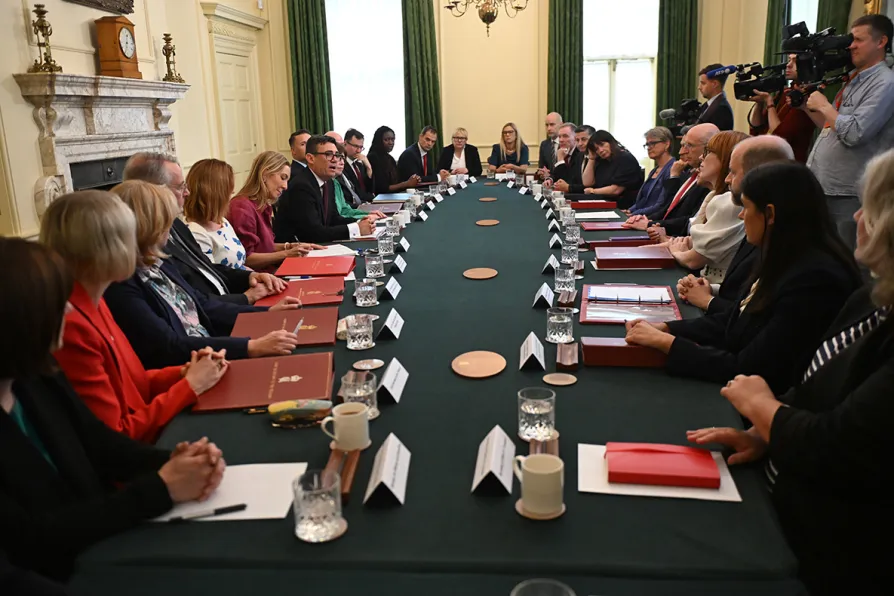
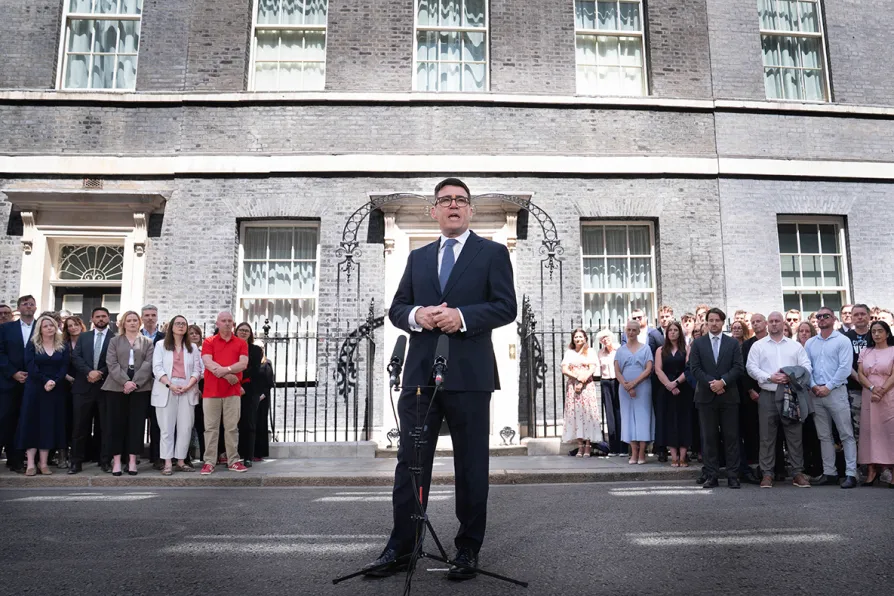
QUICK wins. Andy Burnham has begun with a flurry of announcements designed to define his premiership as a “cost-of-living government,” in words he used to his first Cabinet meeting.
All are welcome in themselves.
Dropping plans for digital ID cards is a blow to the “tech-bro” tycoons seeking to extract maximum profit from our personal data, and will at least slow Britain’s creeping authoritarian surveillance culture.
Cutting VAT on electricity bills to zero (except in Northern Ireland, which is still constrained by EU rules forbidding this) is a nod to the rising cost of energy caused by disruptions to supply from trade wars and actual wars, in the context of a privatised energy market dominated by imported fossil fuels.
And reducing the cap on bus fares from £3 to £2 makes a big difference to those dependent on public transport — and helps incentivise people to travel by bus rather than car.
What’s lacking is any reference to the grander vision implied when he pledged last week to break from a system in which “political power [is] centralised and economic power [is] privatised.”
Burnham sympathisers will retort that this is hardly surprising in a government’s first 48 hours. These are the simple things that can be done right away to show the new Prime Minister understands how much pressure families are under (and even the cancellation of digital ID is spun by Burnham’s team as a cost-of-living decision, the money saved on the scheme theoretically paying for the VAT cut). They do not preclude more radical action later. Sweeping changes such as a return to public ownership in key sectors will need more time to detail and cost.
The problem is that the immediate measures are not presented as stepping stones to fundamental reform, with the PM remaining vague on the latter.
Failure to make the political case for scrapping digital ID leaves the door open to resuming the scheme any time, especially as its estimated cost (a highly speculative £1.8 billion) isn’t huge in government budget terms. The retention of Shabana Mahmood as home secretary casts doubt on any argument that Burnham intends to turn from the authoritarian path Keir Starmer followed, after all.
It would be easy for Burnham to announce that his VAT cut is a stopgap while a plan to nationalise energy is mapped out — carefully costed plans do already exist, notably that published by the Unite union’s Unite Investigates team in 2023, but ministers will want time to assess options.
He did not, however, and the £45 average saving per year of his VAT cut alone is not a game changer when bills have gone up by £500-600 annually since 2022.
As for buses — an area where Burnham enjoys a certain prestige, thanks to the success of the Bee Network in Greater Manchester where he brought franchises back under public control, though private companies still bid to run routes — here too the cap could be pitched as a staging post to a return to full public ownership and the regeneration of a transport network decimated by privatisation. But it wasn’t.
Many on the Labour left want to give Burnham a chance. Many on the non-Labour left see no point.
Whatever view you take, pressure needs to be applied now for a more definite statement of intent on the future of essential services and utilities. Claims that we need to wait for the Budget or other future calendar dates are no reason for socialist MPs, affiliated unions or indeed public-facing campaigns to hold off on agitating for the policies we need.
“Wait and see” is not a plan, and even if we give the new PM the benefit of the doubt, we know powerful vested interests are set on preventing change. He should not be allowed to forget for a moment how urgent that change is.

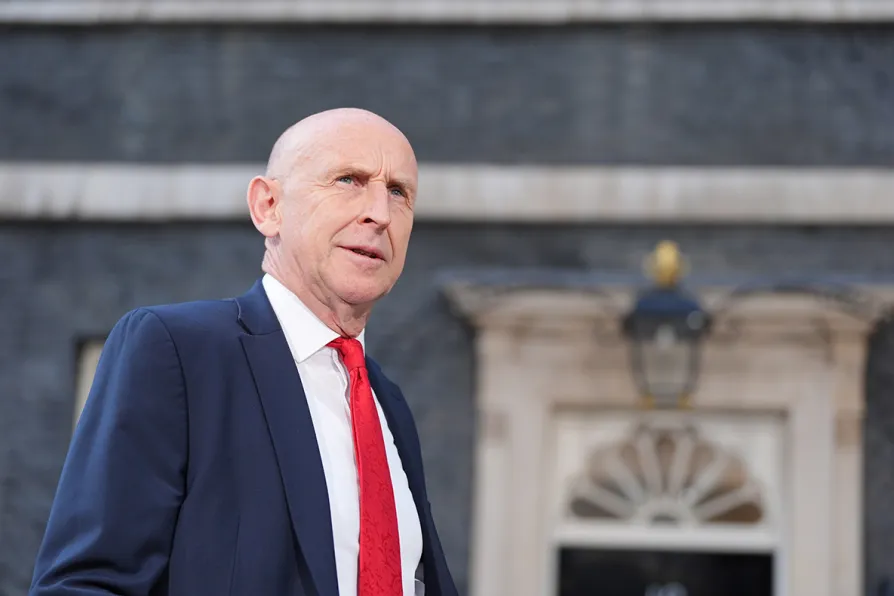
New PM slashes fuel bills and culls Starmer deadwood, but peace activists warn that placing John Healey as new Chancellor shows ‘beyond doubt that the military industrial complex is in charge of Burnham’s economic policy’
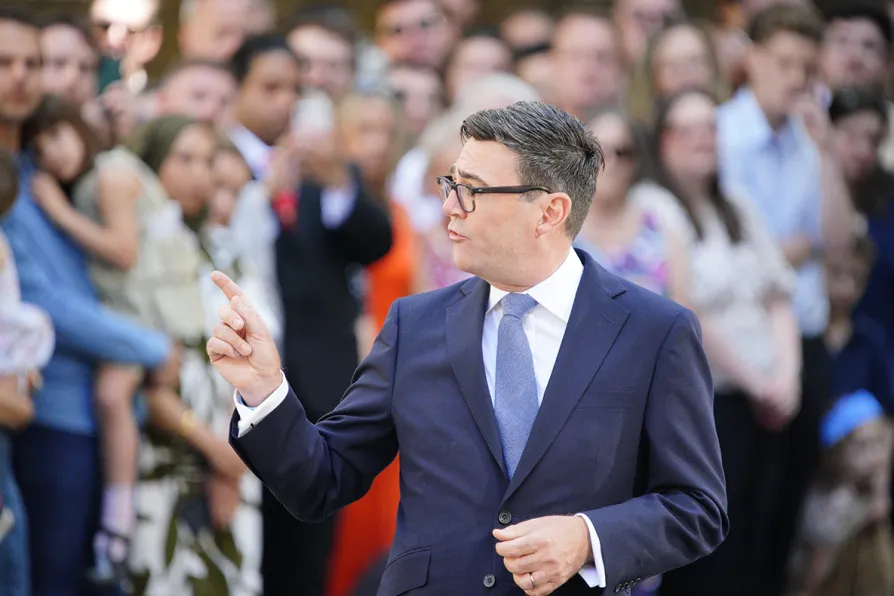
The new PM’s opening addresses offered hope, council homes and reform — but little detail on how any of it will be delivered, warns CLAUDIA WEBBE
Can Andy Burnham’s programme deliver a productive economy – or merely a softer version of capitalism, asks VINCE MILLS