Latest editorial
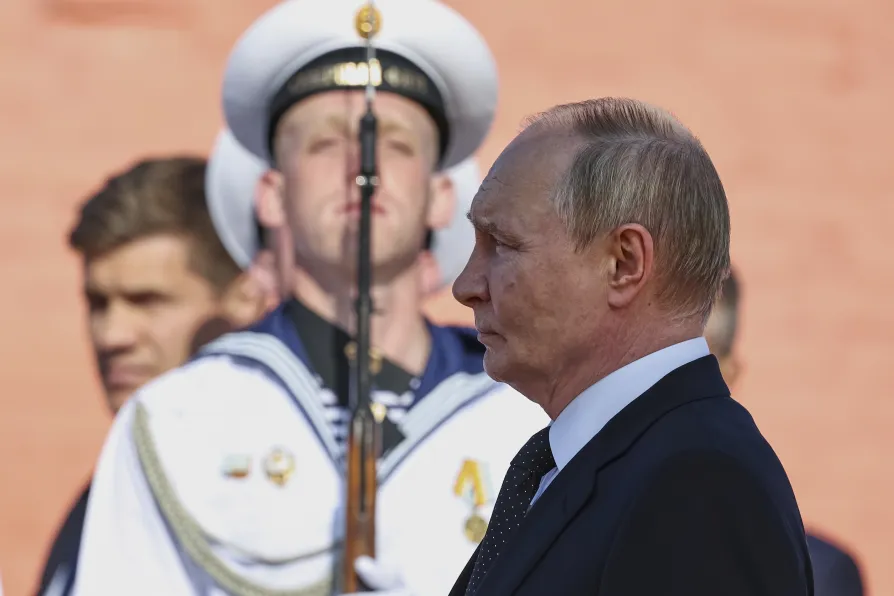 Russian President Vladimir Putin arrives to attend a flag raising ceremony of the Knyaz Pozharsky nuclear-powered Borei-A class submarine in Severodvinsk, Russia, July 24, 2025


RUSSIA no longer considers itself bound by a self-imposed moratorium on the deployment of nuclear-capable intermediate range missiles, according to the country’s Foreign Ministry.
In a statement published on Monday night, the ministry linked the decision to efforts by the United States and its allies to develop intermediate range weapons and preparations for their deployment in Europe and other parts of the world.
It specifically cited US plans to deploy Typhoon and Dark Eagle missiles in Germany from next year.
The ministry said that such actions by the US and its allies create “destabilising missile potentials” near Russia, posing a “direct threat to the security of our country” and that they carry “significant harmful consequences for regional and global stability, including a dangerous escalation of tensions between nuclear powers.”
It didn’t specify what measures the Kremlin might take, but President Vladimir Putin has previously announced plans to deploy Russia’s new Oreshnik missiles in Belarus later this year.
Meanwhile, Nato countries have begun co-ordinating regular deliveries of large weapons packages to Ukraine after the Netherlands said it would provide air defence equipment, ammunition and other military equipment worth €500 million (£434m).
European allies and Canada are buying most of the equipment and plan to send it from the United States, which is not giving any arms to Ukraine.
The Kiel Institute, which tracks support for Ukraine, estimates that as of June, European countries had provided military equipment worth €72 billion (£62.5bn) since the start of Russia’s full-scale invasion in February 2022, compared to $65bn (£48.9bn) from the US.


We need a government that invests in saving lives not destroying them, argues SOPHIE BOLT
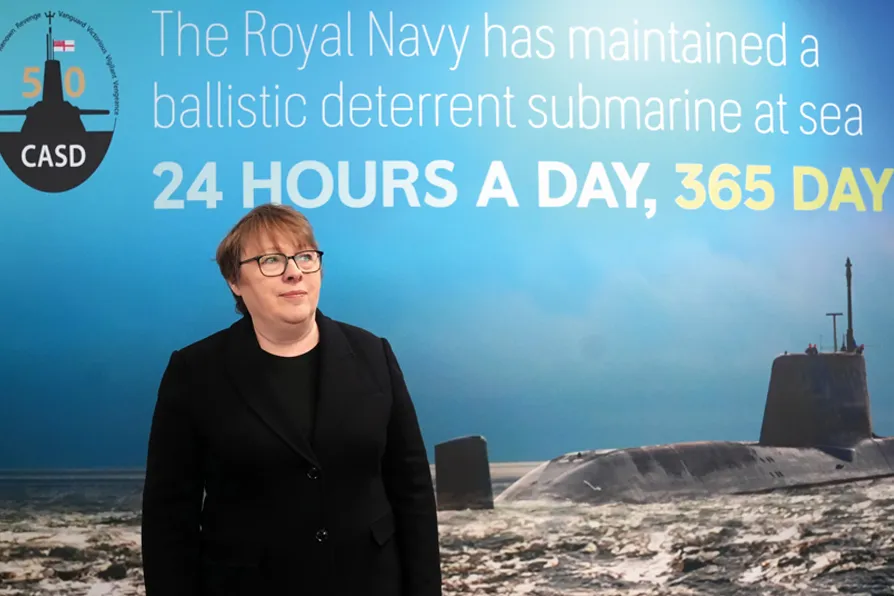
Expanding Britain’s nuclear capability increases the risk of nuclear confrontation. It does not keep us safe – it makes us a target, argues CAROL TURNER