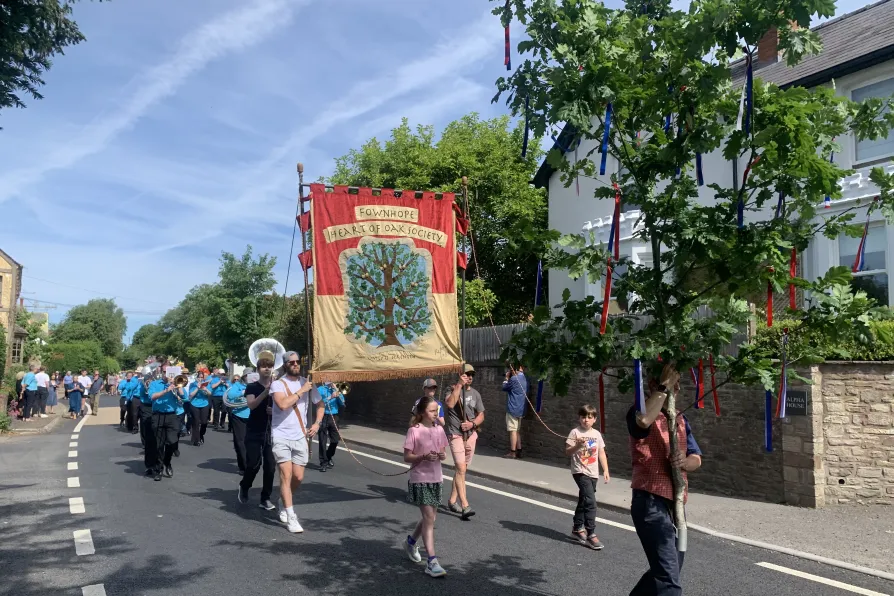
Fownhope’s Heart of Oak Society traces its roots to the age of friendly societies, when communities provided their own safety net. Its anniversary celebrations reveal a tradition still very much alive, says MARK SEDDON


 Latest editorial
Tom Leonard: 1944-2018
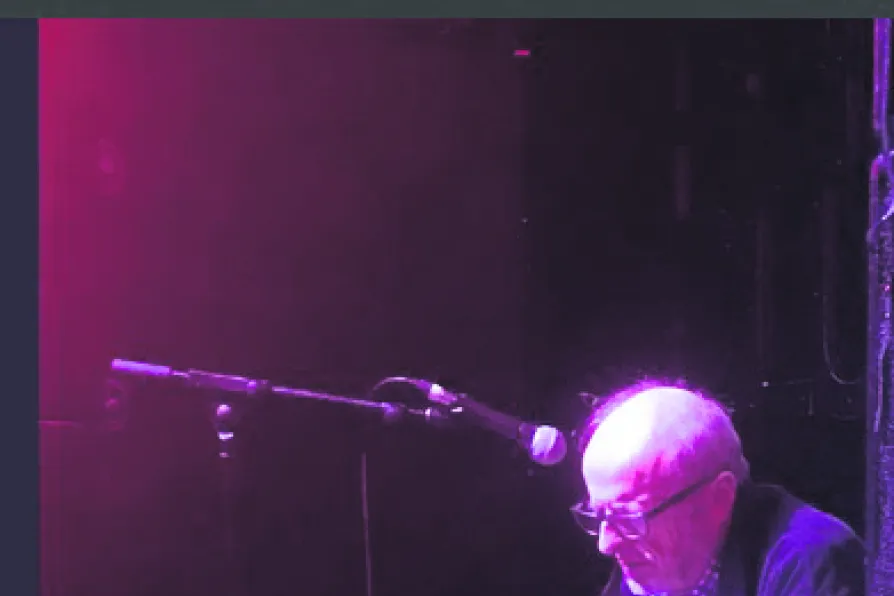 Tom Leonard
ANGUS REID explains the significance of Cuba’s egalitarian in letter and spirit Family Code and the pertinent lessons it holds for democracies anywhere in the world
Special report by PEOPLE’S WORLD
NICK WRIGHT considers how the isolation of Israel and a new film on the controversial Italian communist leader are creating new reference points for Italy’s left
CARLOS MARTINEZ says Cuba’s achievements in the face of a criminal blockade are startling, but the island’s future if the United States succeeds in crushing it looks bleak
AMNON BROWNFIELD STEIN reports that far-right MPs who mobbed the event organised by Hadash may have helped raise awareness of the brutality of the Israeli right


Whilst Tom’s death was neither sudden nor unexpected it’s nevertheless difficult for us to imagine that his forensic analysis and weaving of words has come to an end – but his legacy remains and will continue to provide that insight and inspiration to stand up to injustice.
Tom gave of himself in a way that few can. The list of the progressive causes Tom supported would make a comprehensive backdrop to the progressive political campaigns of the last 50 years. Indeed on November 28 he would have read at the Glasgow event Writers for Miners, an event commemorating the Miners’ Strike of 1984-1985 that raises funds to help establish a proper archive for the creative output of the strike.
Since the publication of Six Glasgow Poems (1965) the “po-faced literati” has attempted to bracket Tom as “a Glasgow Poet” or “Scottish”.
They could never concede that class was at the heart of Tom’s work and he and it were never bound by nationalist identities.
Whether reading at a benefit to support the campaign against the closure of the local baths or bringing together Scottish writers to oppose the Gulf war, Tom’s reading would inevitably bring the house down.

Similar stories
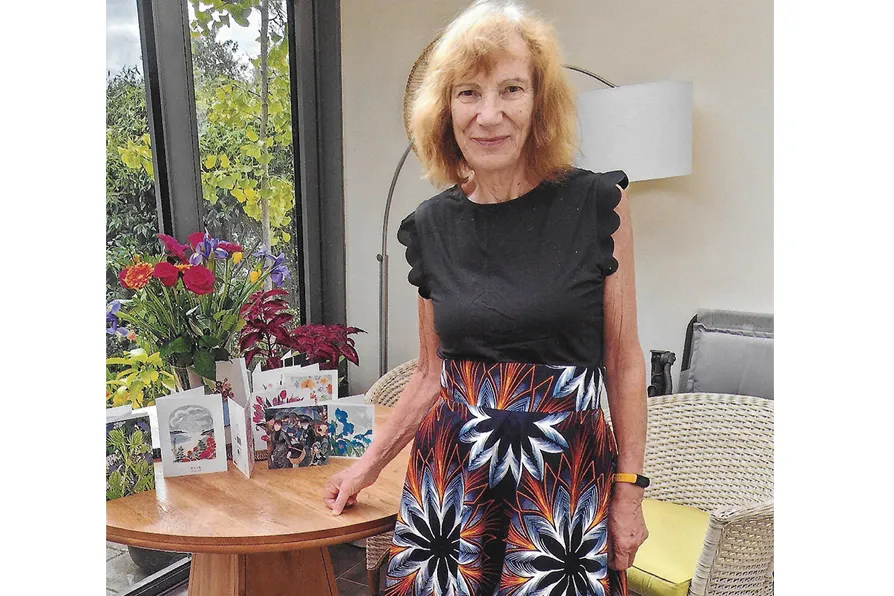

Campaigns against nuclear weapons on the Clyde, financial backing for arms firms and rising militarism are converging with solidarity for Palestine, as Scotland’s peace movement builds momentum ahead of the 2026 Holyrood election, says ARTHUR WEST

From hunting rare pamphlets at book sales to online panels and courses on trade unionism and class politics, the MML continues connecting archive treasures with the movements fighting for a better world, writes director MEIRIAN JUMP

BLANE SAVAGE recommends the display of nine previously unseen works by the Glaswegian artist, novelist and playwright