IAN SINCLAIR examines the curious memory lapses across liberal media when it comes to British government crimes


 Latest editorial
The trade union act: a ‘solution’ looking for a problem
Not only have unions adapted to the Tories’ attacks, their industrial action has gotten stronger, writes GREGOR GALL
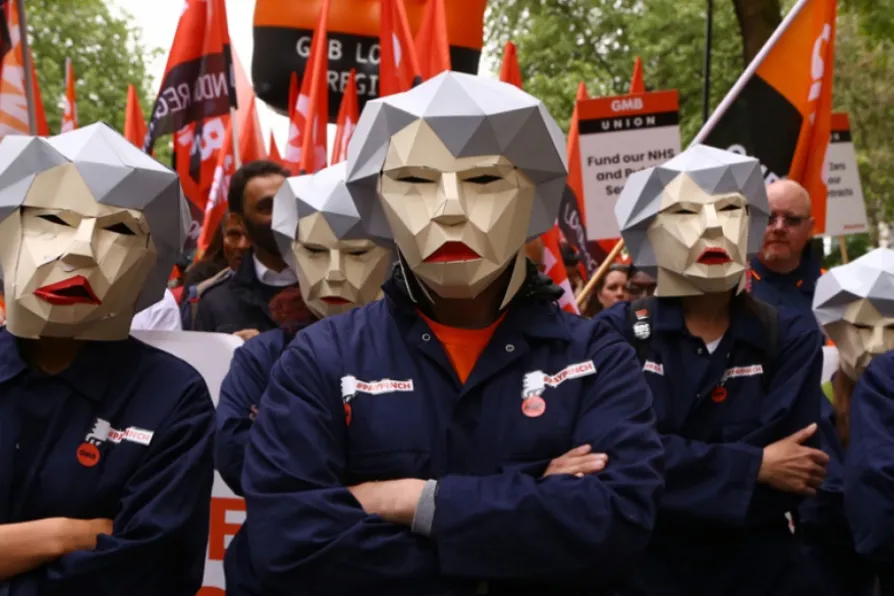 Theresa Maybots march in front of the GMB bloc at a recent TUC rally in central London

STEPHEN ARNELL looks at some of the notorious political corruption cases from British history
ENRIQUE SANTIAGO ROMERO says the Colombian far-right’s election victory is deeply suspect — and the United States has its fingerprints all over it
History suggests apartheid ends not through appeals to conscience alone but through sustained economic and political pressure, says HUGH LANNING
ARTHUR WEST surveys the achievements of the Scottish campaign against South African apartheid and how we can draw on them to fight a rising far right
As the US marks 250 years since the Declaration of Independence, the People’s World Editorial Collective argues that the real legacy of 1776 lies not in official celebrations but in centuries of popular struggles to make democracy a reality for all


SOME 16 months after the Tories’ Trade Union Act 2016 came into force, it is time to look at how it has been operating and see what its impact has been.
The Act’s main components are that a lawful mandate for strike or industrial action must now have a statutory ballot result that has at least a 50 per cent turnout of eligible union members.
In certain “essential” public services, the vote for action must also comprise at least 40 per cent of all those entitled to vote (with non-voters are counted as No votes).

Similar stories
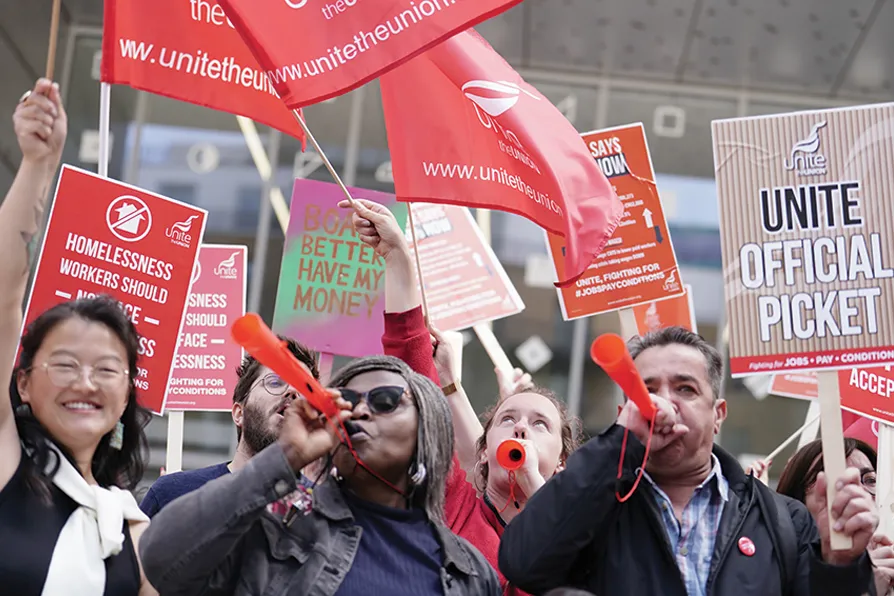
The unions are unhappy with the Employment Rights Act 2025 and with good reason. KEITH EWING and Lord JOHN HENDY KC take a close look at why the Bill promised more than it delivered

Labour must not allow unelected members of the upper house to erode a single provision of the Employment Rights Bill, argues ANDY MCDONALD MP
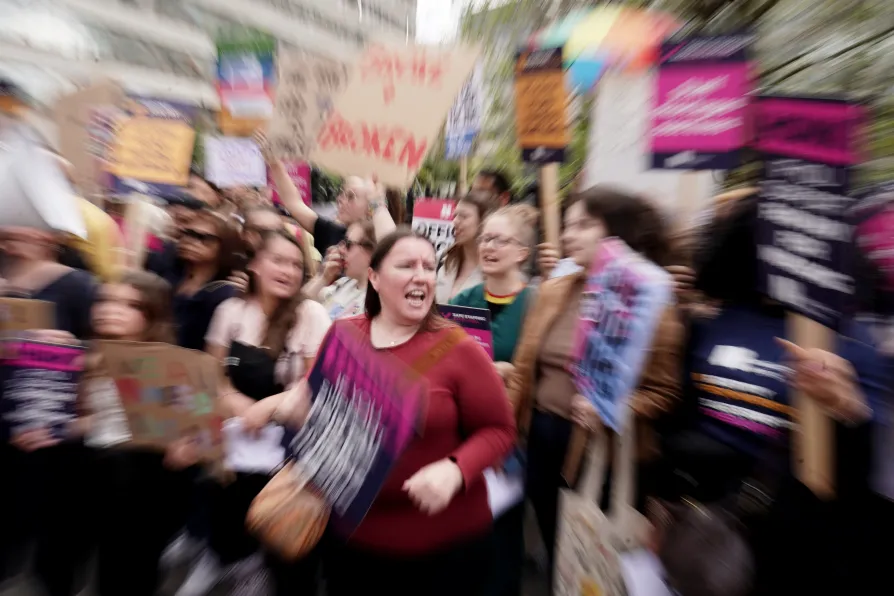
The Bill addresses some exploitation but leaves trade unions heavily regulated, most workers without collective bargaining coverage, and fails to tackle the balance of power that enables constant mutation of bad practice, write KEITH EWING and LORD JOHN HENDY KC

It is only trade union power at work that will materially improve the lot of working people as a class but without sector-wide collective bargaining and a right to take sympathetic strike action, we are hamstrung in the fight to tilt back the balance of power, argues ADRIAN WEIR