

 Latest editorial

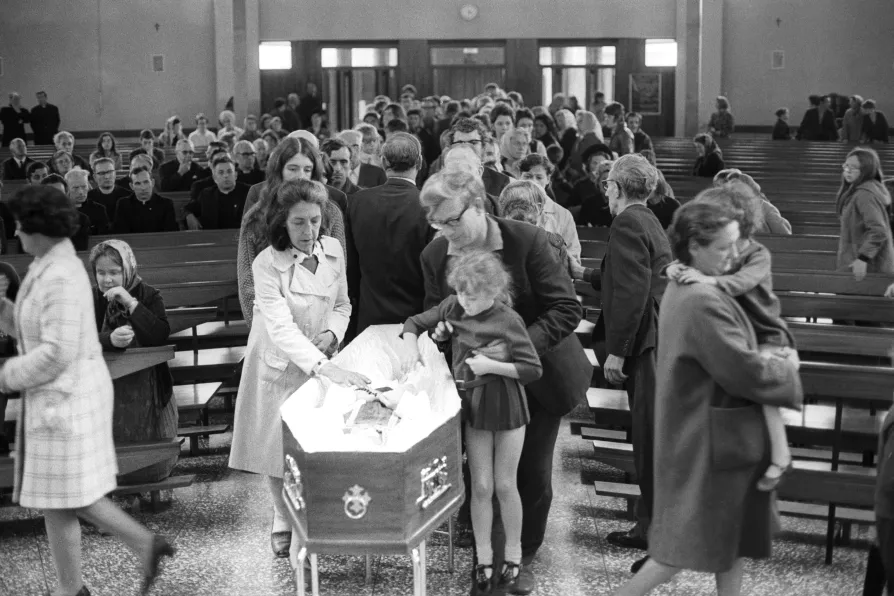 Mourners file past the coffin of Father Hugh Mullan, at Corpus Christi Roman Catholic Church on the Ballymurphy estate after Requiem Mass. Father Hugh, 37, was killed during the bloodbath in Belfast in 1971


BRITISH soldiers “had a licence to kill and a licence to lie,” a Belfast court heard today as the army was accused of covering up the truth about innocent civilians shot dead in a three-day killing spree nearly 50 years ago.
The final day of a lengthy and much-delayed inquest into the deaths of 10 people gunned down in the Ballymurphy area of West Belfast in August 1971 heard statements from the legal teams of both the families and Britain’s Ministry of Defence.
The families of the victims and survivors have led a dignified quest for justice, hampered by the loss of key evidence and refusals to testify while they and their loved ones were falsely smeared as “terrorists.”

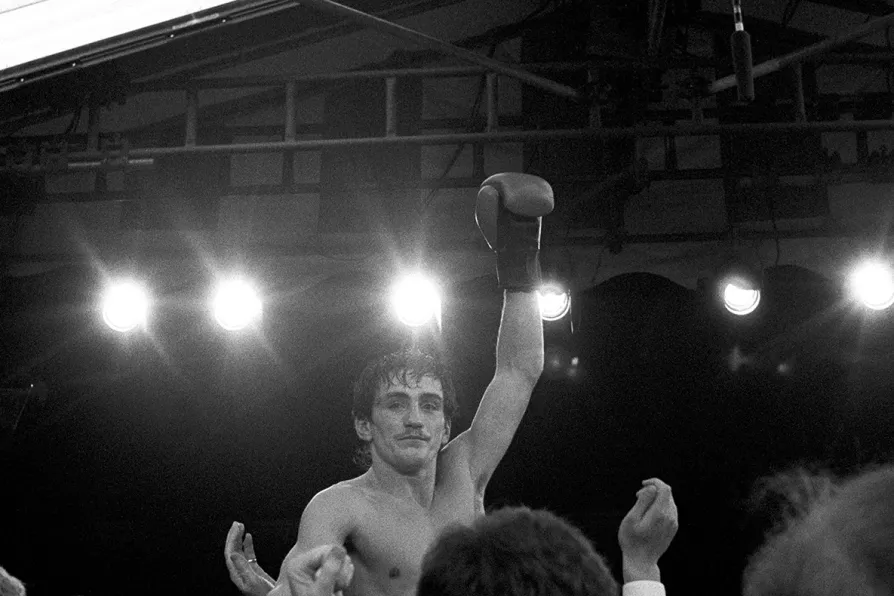
From Barry McGuigan and Carl Frampton to Tyrone McKenna and Lewis Crocker, the city’s fighters carry a complex history into the ring, writes JOHN WIGHT
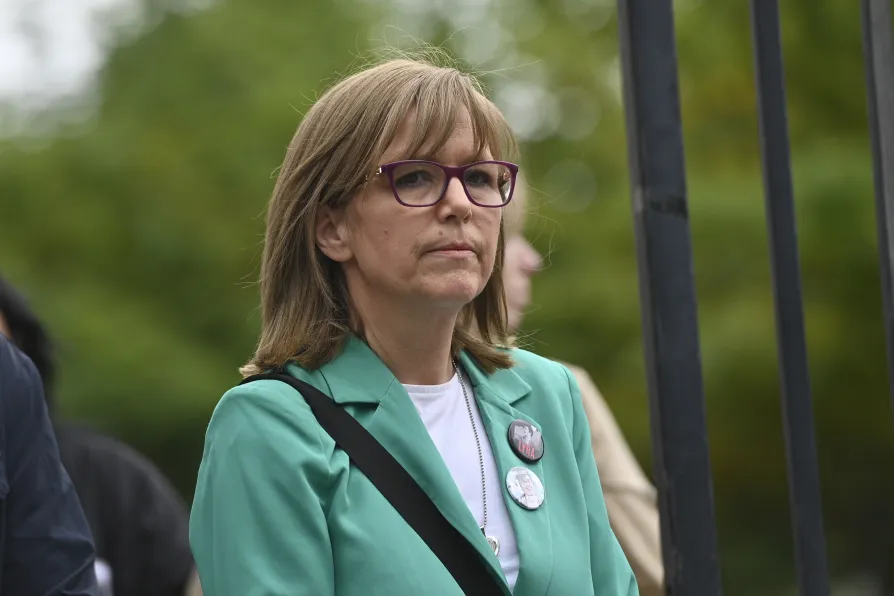
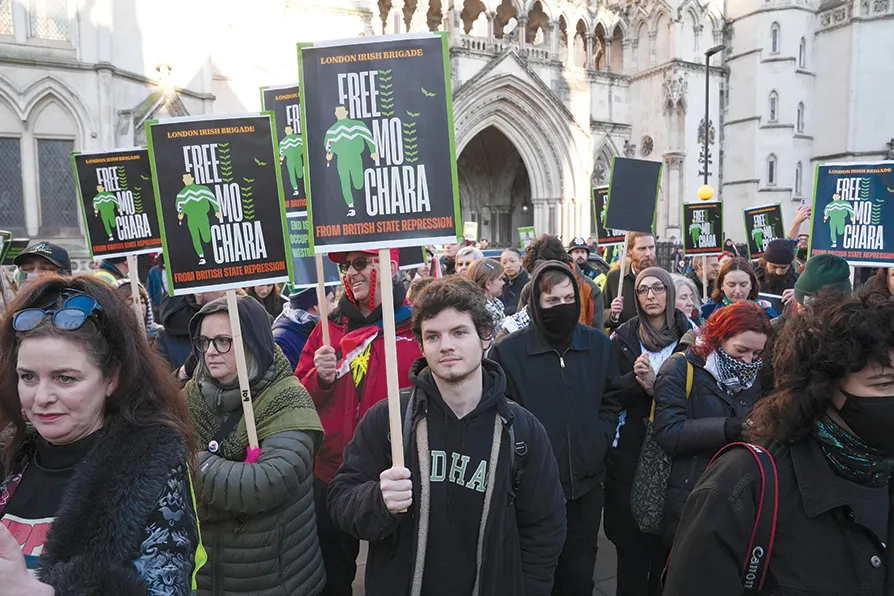
AARON SMITH discusses why the Protestant diaspora are still part of Yeats’s ‘Indomitable Irishry’, and an integral part of any future united Ireland.
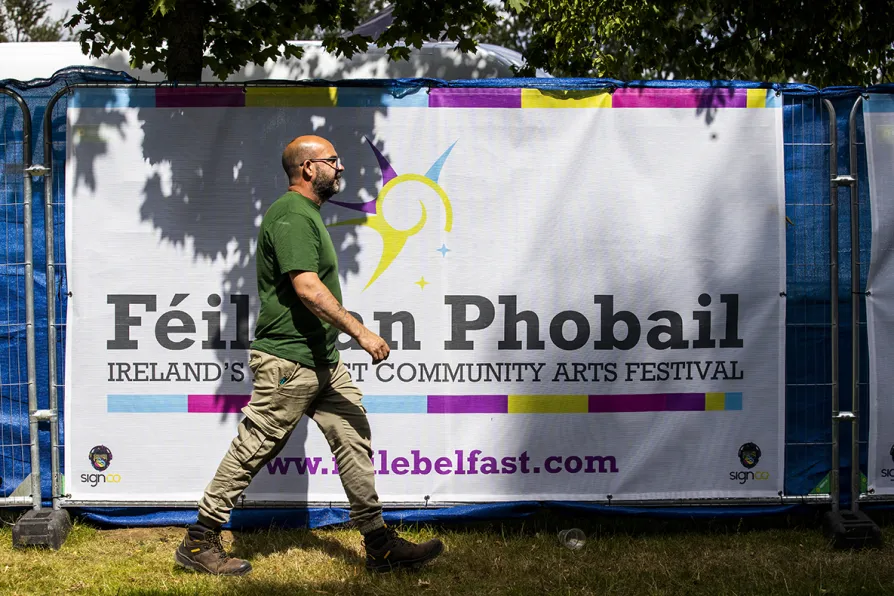
Why not pay a visit to Feile an Phobail, a people’s festival of community arts with roots in the days of internment without trial, and where the spirit of solidarity remains undimmed, says LYNDA WALKER