

 Latest editorial
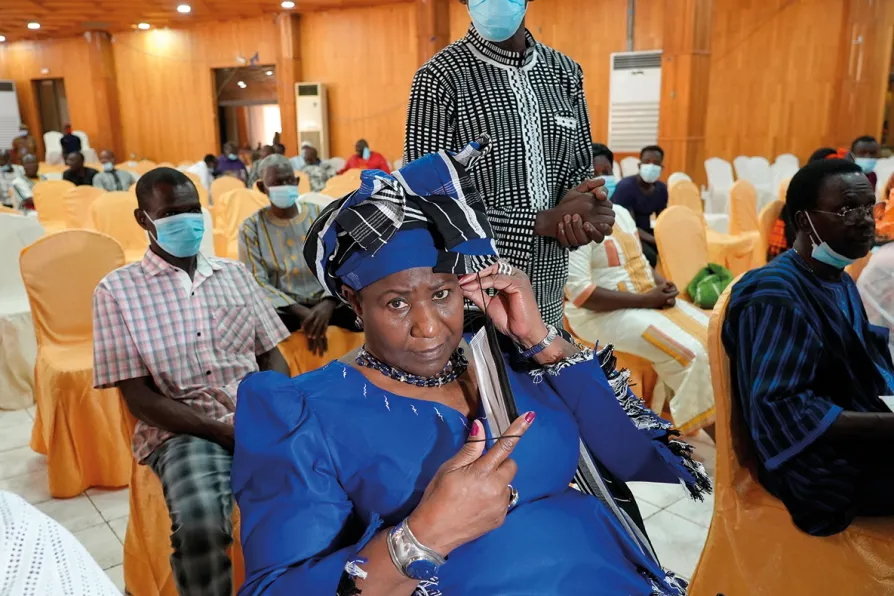 Mariam Sankara, widow of leader Thomas Sankara, sits in the courtroom where 14, including former President Blaise Compaore, stand trial for Sankara's murder, in a military court in Ougadougou
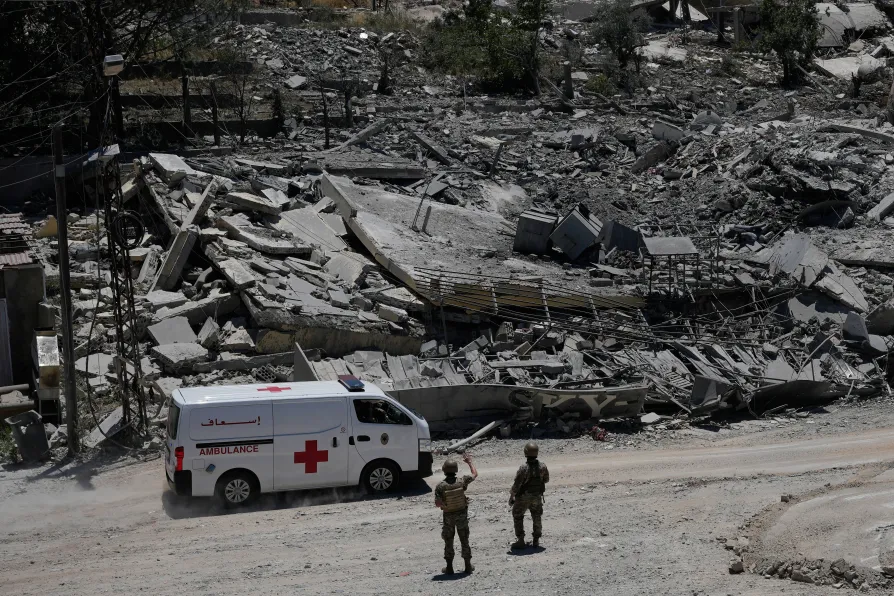


HOPES have been raised that a trial which opened in Burkina Faso today will “shed light” on what really happened to the country’s revolutionary leader Thomas Sankara.
He was shot dead on October 16 1987 in a military coup just four years after becoming the African country’s president.
Among the 14 defendants is his close friend Blaise Compaore, who came to power after Sankara’s killing and ruled for 27 years before being forced to resign in 2014 as mass protests swept the country.

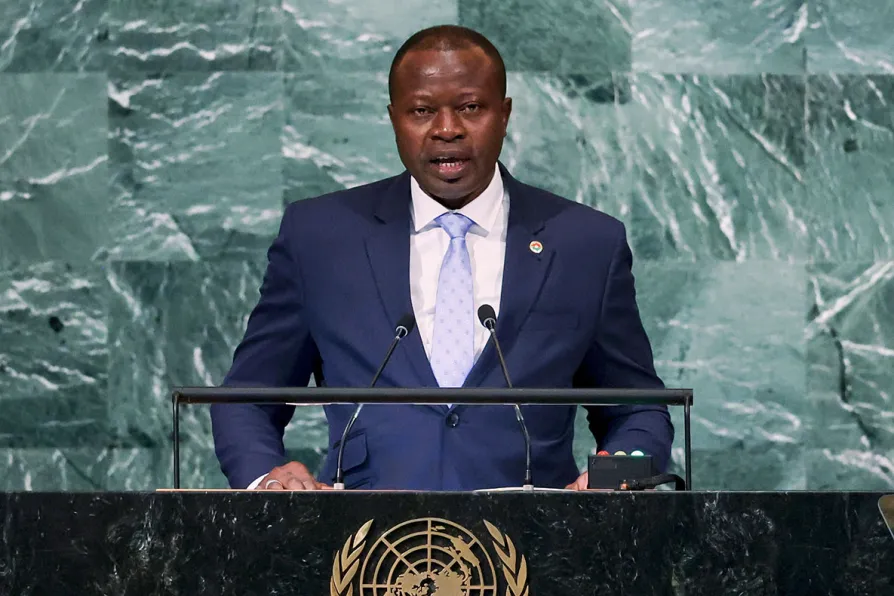
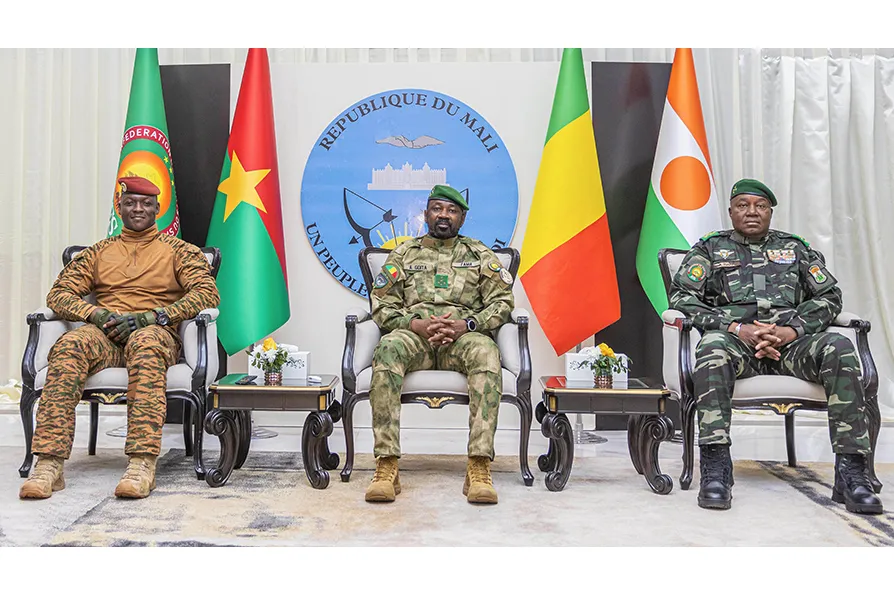
NICHOLAS MWANGI highlights a historic turning point in Sahelian sovereignty, as Burkina Faso, Mali and Niger bolstered their regional security through a unified military force
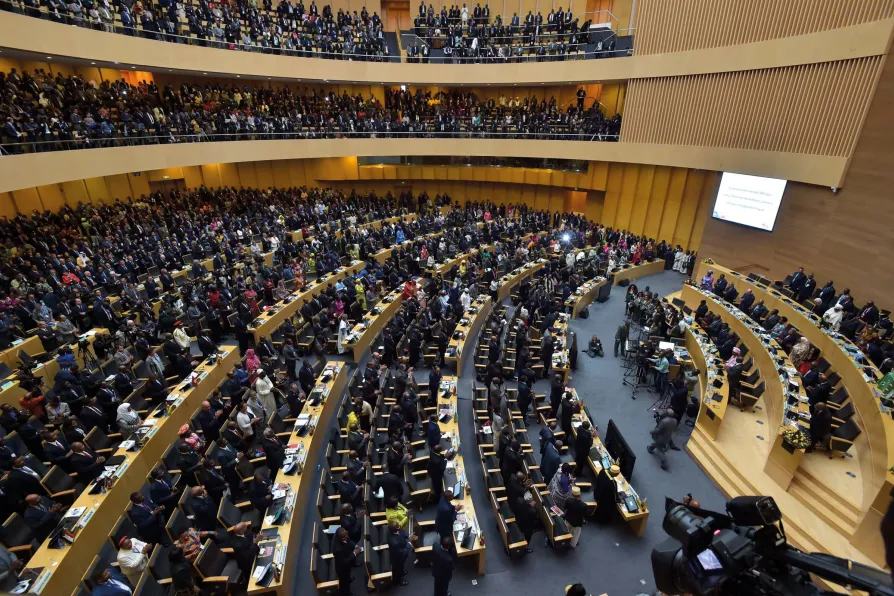
As the Alliance of Sahel States and southern African nations advance pan-African goals, the African Union must listen and learn rather than parroting the Western line on these positive developments, writes ROGER McKENZIE
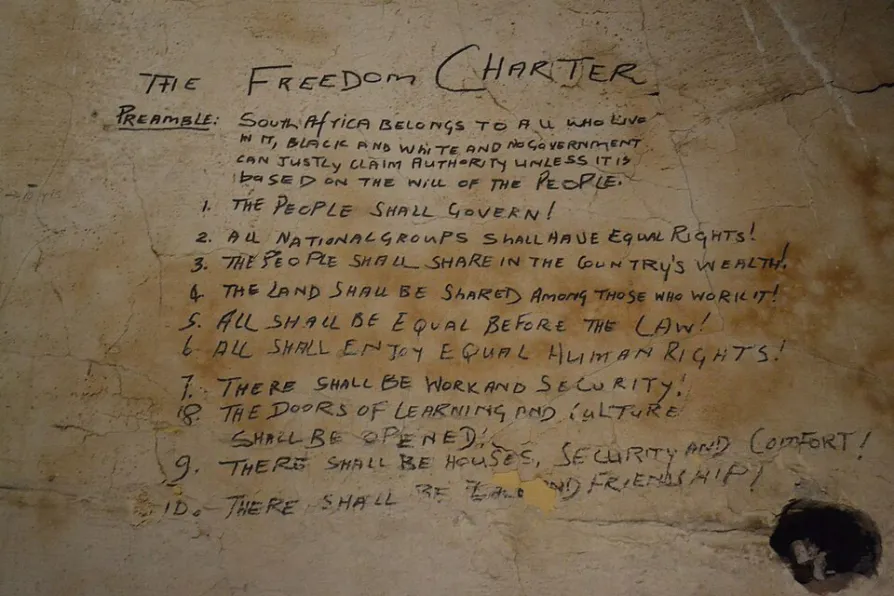
The charter emerged from a profoundly democratic process where people across South Africa answered ‘What kind of country do we want?’ — but imperial backlash and neoliberal compromise deferred its deepest transformations, argues RONNIE KASRILS