Assistant general secretary of the General Federation of Trade Unions HENRY FOWLER reports on day 1 from the GFTU’s residential Summer School at Quorn Grange Hotel


 Latest editorial
Warning from history
On the 50th anniversary of the jailing the Pentonville Five, Professor KEITH EWING recalls how British governments, Tory and Labour, have systematically adapted the law to suppress legitimate trade union activity
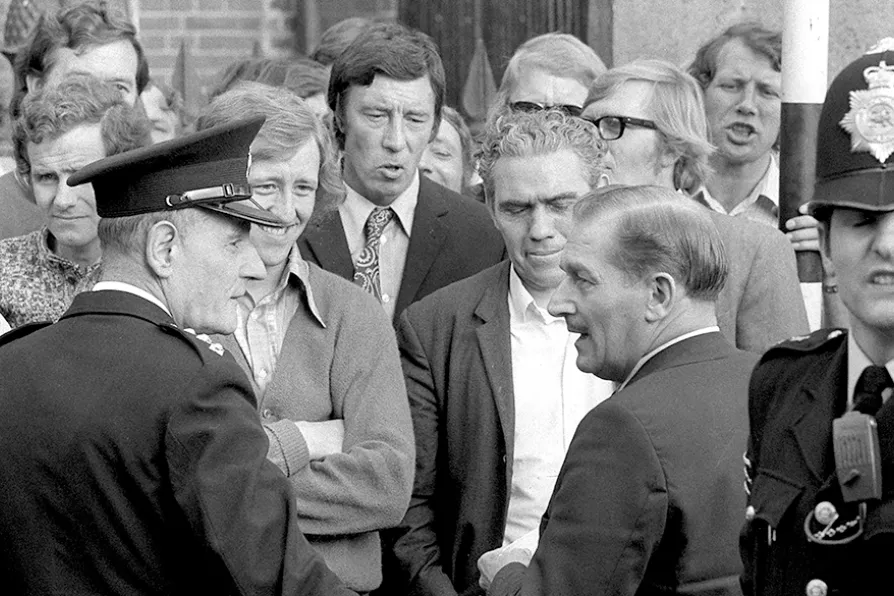 STATE v WORKERS: Docker Vic Turner (centre), one of the Pentonville Five, is being escorted into Pentonville Prison by the High Court Tipstaff after his arrest at the dockers' picket line outside the prison

Strike Map co-founder HENRY FOWLER discusses the significance of today’s joint union letter to video game giant Rockstar, demanding trade union recognition for its workers. Their conversation highlights how our movement can harness its collective power to rebuild union power across the private sector
The PM leaves office having squandered Labour’s electoral mandate and alienated its grassroots. He will not be missed, writes BRIAN LEISHMAN MP
Durham Miners’ Association chair STEPHEN GUY speaks to Ben Chacko about the Reform threat, what’s needed from Labour and why the Big Meeting will never lose its politics
Poland’s anger over Ukraine’s celebration of the Nazi collaborationist UPA reflects more than historical grievance, says KENNY COYLE
Can Andy Burnham’s programme deliver a productive economy – or merely a softer version of capitalism, asks VINCE MILLS


AS THE struggle of the Pentonville Five 50 years ago is commemorated tonight at East Ham Town Hall, it is a timely reminder that British trade unions have never been free: they have always been treated with suspicion, and they have always operated in the shadow of the criminal law, penal sanctions, and the watchful eye of the state.
Suspicion has been tailored into our law since time immemorial, and remains there to this day.
That suspicion has periodically turned to hostility and oppression as trade unions have challenged the authority of the state by protecting their members’ interests in the face of government injustice.

Similar stories
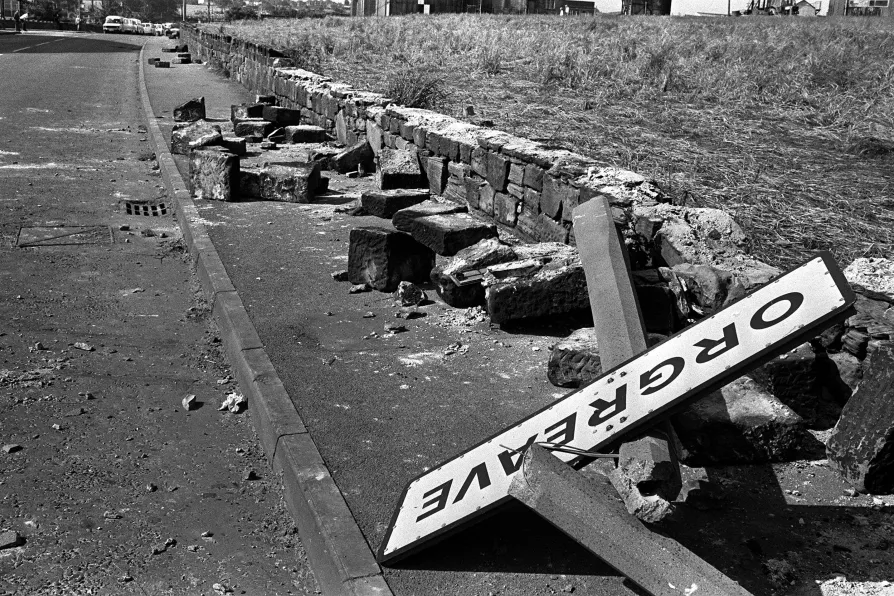
The public inquiry is the result of more than a decade of determined campaigning. Now, those who fought for justice want the full story of government involvement and police conduct to be told, says KATE FLANNERY

Labour movement history in Britain shows workers secured reforms through collective pressure and political representation, rather than being gifted from above, writes KEITH FLETT
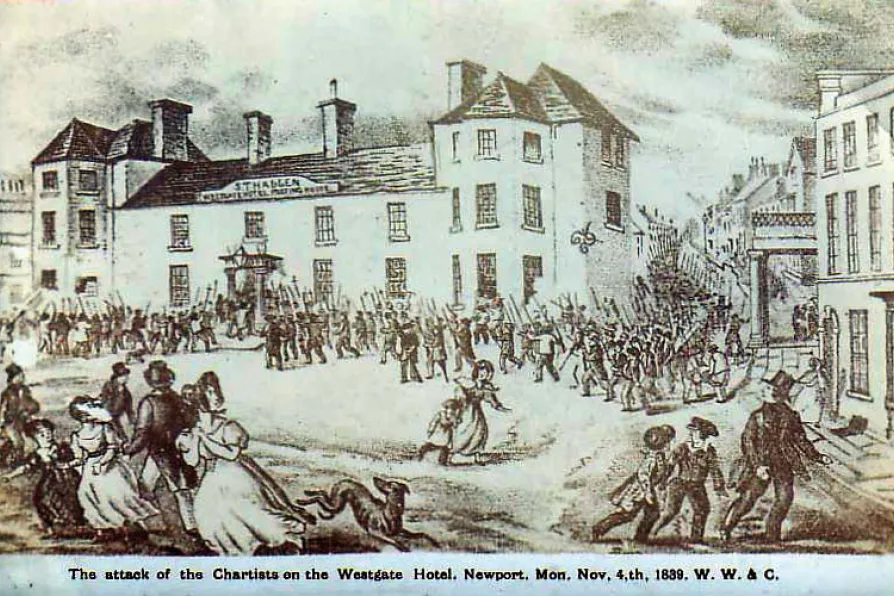
It’s not just the Starmer regime: the workers of Britain have always faced legal affronts on their right to assemble and dissent, and the Labour Party especially has meddled with our freedoms from its earliest days, writes KEITH FLETT
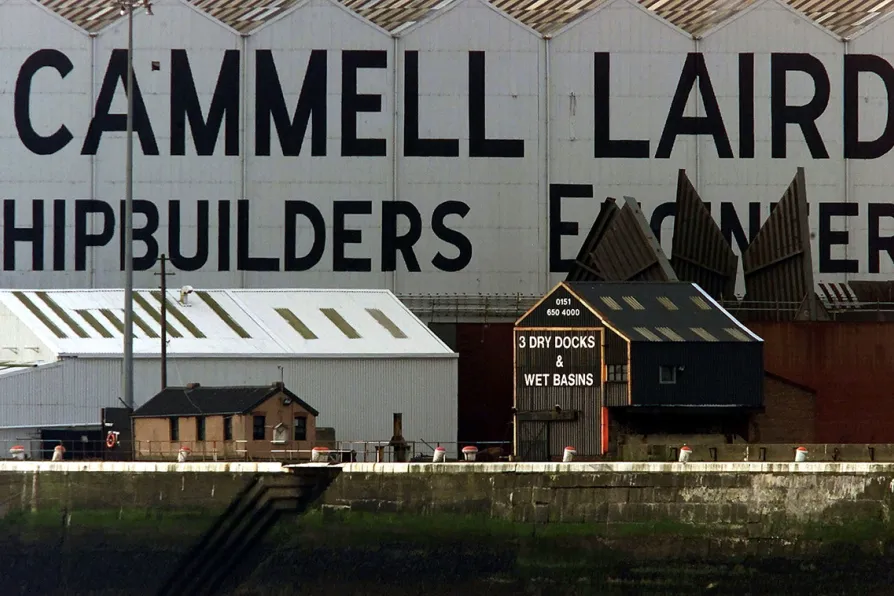
KIM JOHNSON MP places the campaign in the context of the history of the working-class battles of the 1980s, and explains why, just like Orgreave and the Shrewsbury Pickets before it, justice today is so important for the struggles of tomorrow