The Tories introduced the 50% strike ballot threshold to make industrial action harder. MATT WRACK argues that a Labour government has no justification for leaving it on the statute book


 Latest editorial
Where next for Chile’s embattled constitution?
GUILLERMO TEILLIER, president of the Communist Party of Chile, explains to Hugo Guzman why, despite compromises made with the opposition, the government's constitutional reform process is still a priority for the left
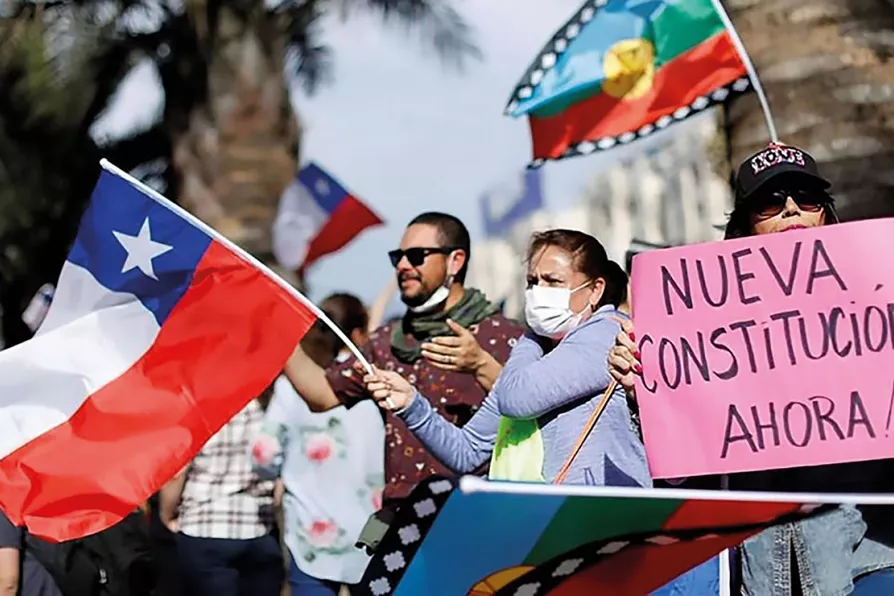 [jpereira.net / Creative Commons]

In the wake of Ann Widdecombe’s murder, JOHN GREEN wonders whether the government will really get to grips with the root cause of these attacks on our MPs
The new PM’s opening addresses offered hope, council homes and reform — but little detail on how any of it will be delivered, warns CLAUDIA WEBBE
Despite the screeching from the right-wing media, Burnham’s speech chimed with the public mood - and socialists should take advantage, says Morning Star editor BEN CHACKO
Scotland's Labour leader cannot continue to evade responsibility for the party's decline, argues LAUREN HARPER
Nature as well as society works dialectically, asserts the Marx Memorial Library and Workers’ School


Do you agree that the political agreement signed by the ruling and opposition parties is imperfect?
I believe that for the almost five million voters, over 38 per cent on a turnout of nearly 98 per cent, who voted for the new constitution with enthusiasm and conviction, this agreement is insufficient, imperfect and far from our expectations.
The questions arising from the agreement are the excessive role of “experts,” the distortion of representativeness by electing councillors for the new commission by the system used to elect the senate and the lack of precision in defining citizen participation. So why did the Communist Party remain in this negotiation — and why did it sign it?
As things stand, we must be prepared to take part in the 50-member “group of experts” that will redraft the constitution, because the government parties and other progressives will be represented on it.

Similar stories
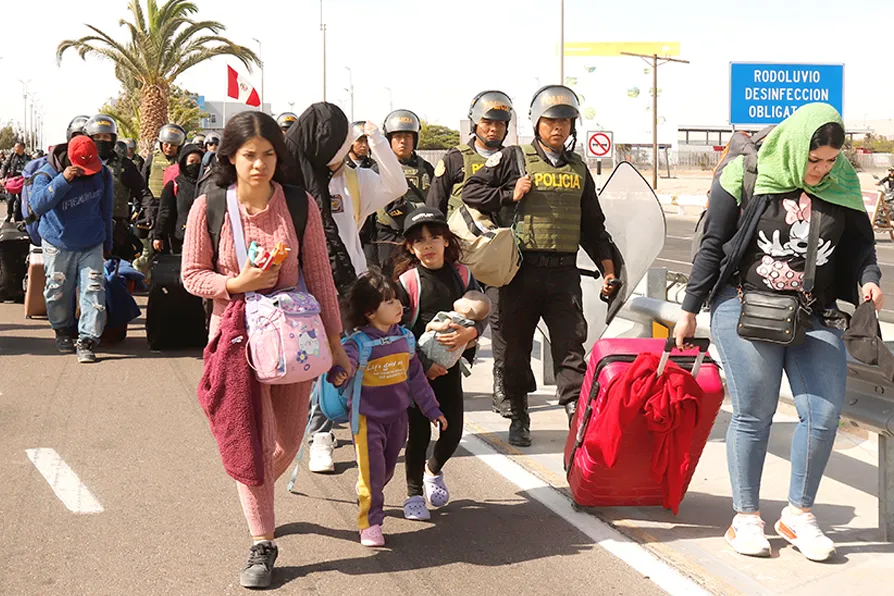
Far-right forces are rising across Latin America and the Caribbean, armed with a common agenda of anti-communism, the culture war, and neoliberal economics, writes VIJAY PRASHAD
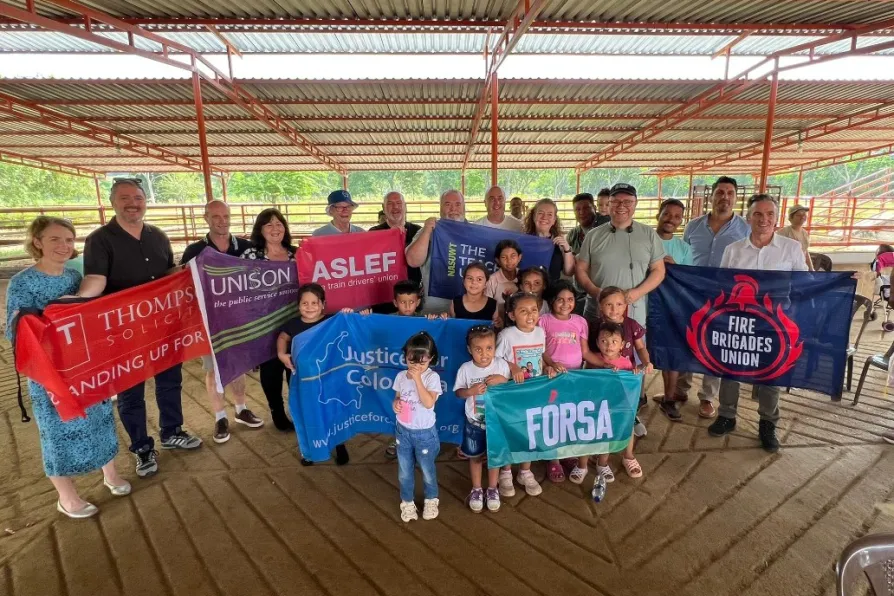
With Petro, Colombia has been making huge strides towards peace — but is all that at risk with the elections next year? MARK ROWE reports back after joining a delegation to the Latin American country
ANSELM ELDERGILL is a member of Your Party and he suggests how the new party should reform Britain’s constitution

CWU leader DAVE WARD tells Ben Chacko a strategy to unite workers on class lines is needed – and sectoral collective bargaining must be at its heart