The greatest threat to democracy may no longer come from political parties but from unelected tech oligarchs like Peter Thiel and his powerful Silicon Valley network, argues JOHN GREEN


 Latest editorial
The writing was on the wall: the fall of the Assad government in Syria
VIJAY PRASHAD explains the political realignments that lead to the sudden collapse of Bashar al-Assad regime in Syria
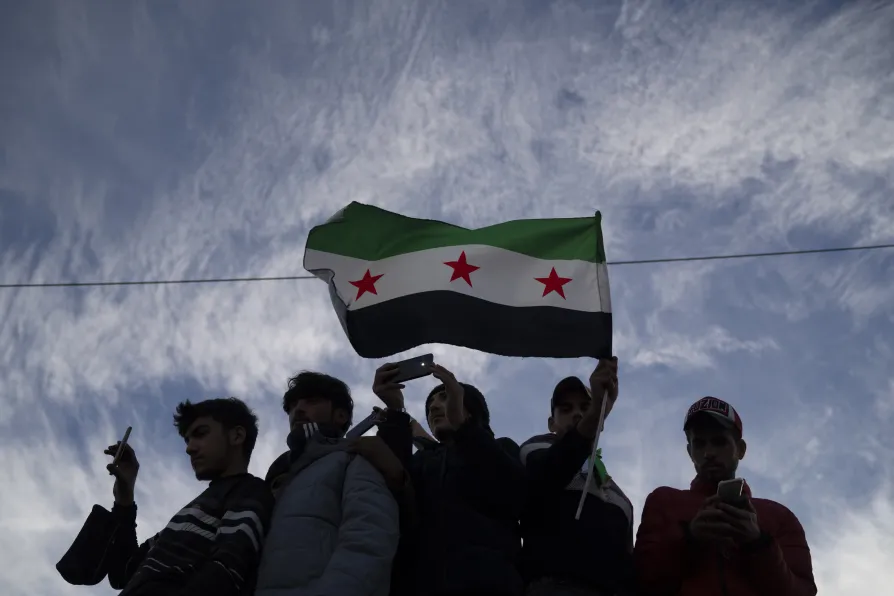 Syrians gather in celebration days after the fall of Bashar Assad's government at Umayyad Square in Damascus, December 12, 2024
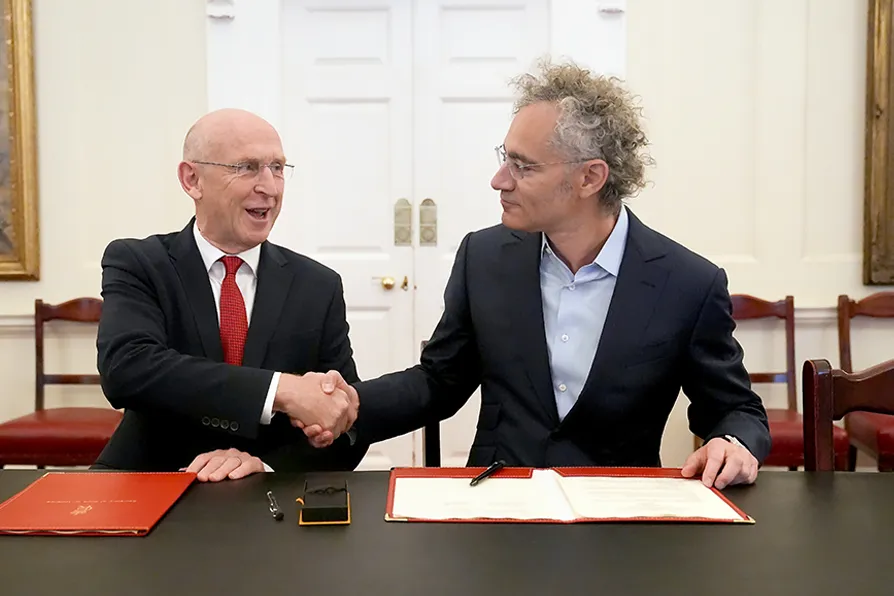
Today’s interconnected conflicts are enriching the arms industry while pushing the entire world towards permanent militarisation, argues ROGER McKENZIE
by Nana Backland, Merseyside Morning Star Readers & Supporters Group
The government’s Pip review looks like a carefully managed exercise in legitimising future cuts to disability support, argues Dr DYLAN MURPHY
The Tories introduced the 50% strike ballot threshold to make industrial action harder. MATT WRACK argues that a Labour government has no justification for leaving it on the statute book


AS THE rebel forces led by Hayat Tahrir al-Sham (Syria Liberation Committee, HTS) seized Damascus, Syria’s capital, on December 7 2024, the president of Syria, Bashar al-Assad boarded a flight to Moscow, Russia.
It was the end of the rule of the Assad family that began when Hafez al-Assad (1930-2000) became president in 1971, and continued through his son Bashar from 2000 — a 53-year-long rule.
HTS was formed out of the remnants of the al-Qaida affiliate in Syria, Jabhat al-Nusra (Front for the Conquest of Syria) in 2017 and led by its emir (leader) Abu Jaber Shaykh and its military commander Abu Mohammed al-Jolani.

Similar stories
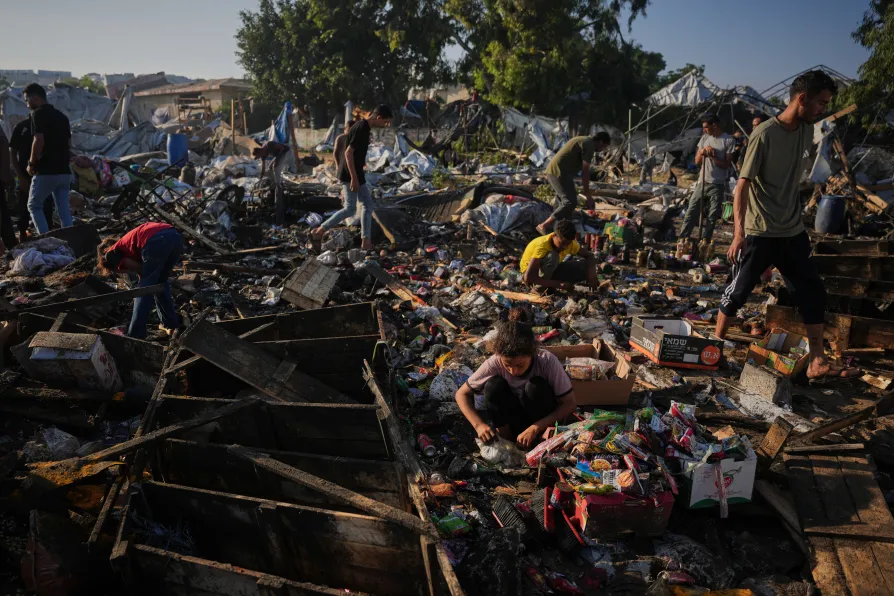
IAN SINCLAIR examines the curious memory lapses across liberal media when it comes to British government crimes
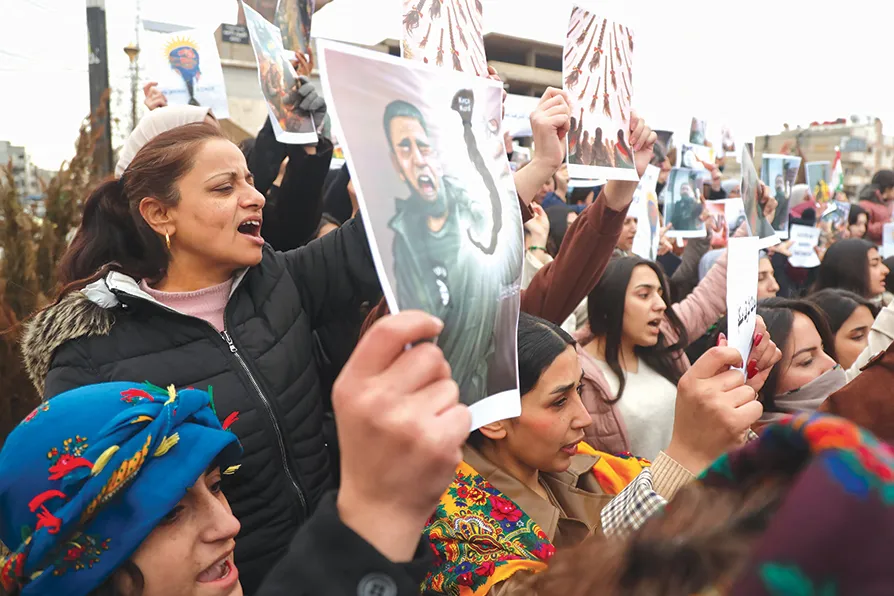
VIJAY PRASHAD details how US support for Syrian President Ahmad al-Sharaa allowed him to break the resistance of the autonomous Syrian Democratic Forces (SDF)
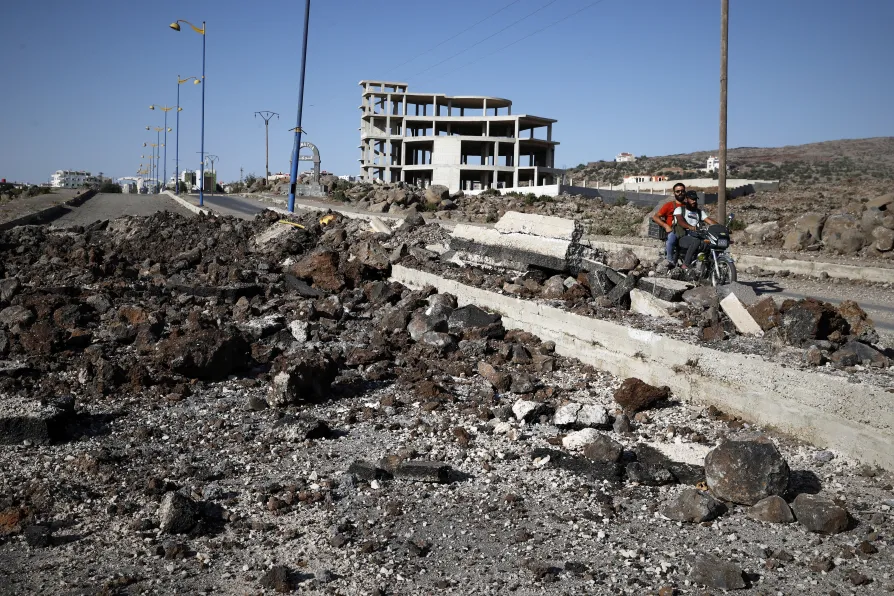
VIJAY PRASHAD looks at the web of militias and drug-trafficking gangs that emerged in the Sweida region through the Syrian civil war, and how they relate to recent clashes and Israel’s intervention