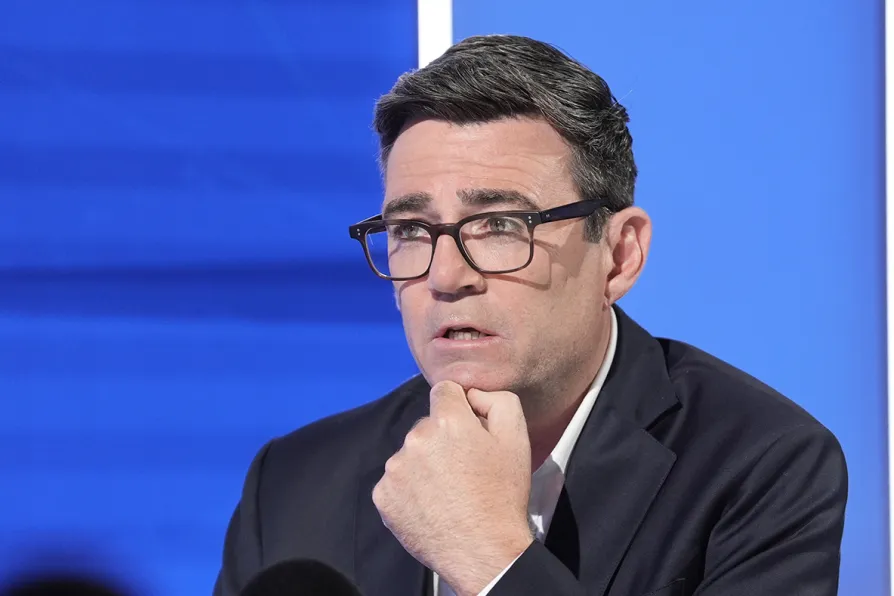
Andy Burnham’s message of hope will defeat Reform if Labour delivers the New Deal for Working People in full, says JOANNE THOMAS


 Latest editorial
This year’s Summer School is bringing the heat
General Federation of Trade Unions president and bakers’ union general secretary, SARAH WOOLLEY, guides us through the GFTU’s Summer School happening this week at Quorn Grange Hotel
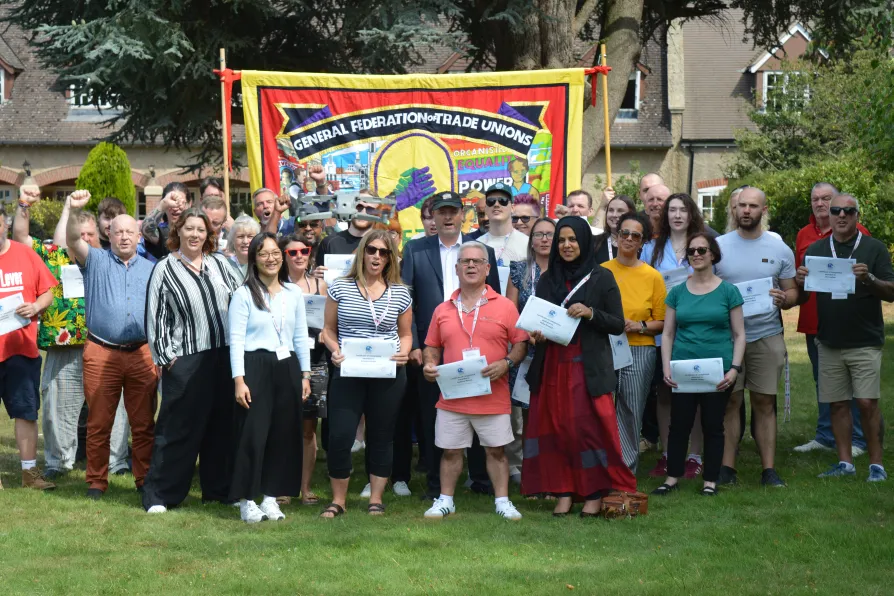 GFTU summer school
The government’s latest asylum proposals abandon labour movement values and fuel division by aping Reform UK, writes DIANE ABBOTT MP
IAN LAVERY MP warns that decades of neoliberal policies have left former industrial communities behind — but a renewed Labour commitment to working people could change the political landscape
We need a government that invests in saving lives not destroying them, argues SOPHIE BOLT
HENRY FOWLER outlines the GFTU’s new 2026-27 education programme and argues that investing in trade union education is essential to building worker power, developing leaders and strengthening collective action
PAOLO SANTALUCIA reports on how an Italian region defies US pressure to end a Cuban doctors programme


THIS week I have the privilege of chairing the GFTU and its Educational Trust’s Summer School at Quorn Grange Hotel, aka the Workers’ Retreat. Once again it promises to be the highlight of my year as GFTU president.
For those who have never experienced it, Summer School is much more than a conference. It brings together workplace militants, trade union activists, international speakers and leading radical thinkers to learn from one another and strengthen our movement.
One participant from the Prison Officers’ Association summed it up perfectly last year: “I found myself across the table from someone from probation. They had dealt with issues inside the prison I work in, but we had never actually crossed paths. You talk about the issues they face and realise they’re universal.”
That is the real value of in person trade union education. The belonging it fosters, the building of networks of solidarity across sectors, unions and workplaces.
We meet this year at an important moment. As we mark the centenary of the General Strike, we’ve also seen the first signs of union membership growing again (up 0.4 per cent to 22.4 per cent of all workers in a union).
Workers are organising, challenging the far right and demanding change. A new prime-minister-in-waiting further brings a clear purpose, context and urgency to deliver the change workers need.
Our opening day asks a simple but fundamental question: what is the point of a trade union? We’ll explore ideas such as what is class struggle unionism as theorised by movement legend Joe Burns, before hearing from Rhys Davies Union Maps by WISERD (collaborative venture between the universities of Aberystwyth, Bangor, Cardiff, South Wales and Swansea), whose research is helping us understand where organised labour is strongest, where it has been weakened and where we must rebuild.
Later, I’ll join PCS general secretary Fran Heathcote, Callum Cant and Edd Mustill to discuss what the General Strike means for the labour movement today, not as history to commemorate, but as experience and prospects for our future.
As we learn from the struggles of the past, we’ll also confront the realities of today’s economy. In one of several sessions on critical political economy throughout the week, SOAS economics research associate, Hwanhee Bae, will ask a simple but vital question: how do trillionaires exist?
Understanding how wealth and power are concentrated, who benefits from the current system and what alternatives are possible is essential if our movement is to develop an alternative political and economic strategy that can win.
From there, we’ll turn to organising in the growing not-for-profit sector. Supported by the BFAWU, Organise Now has seen increasing demand from charity workers looking to build workplace power.
Activist, author and academic Robert Ovetz will explore what the expansion of outsourced and not-for-profit public services means for organised labour (in the US and Britain), and the opportunities and challenges it presents for trade union organising.
We end the day with a screening of the wonderful Iron Ladies, followed by a discussion with director Daniel Draper and participant Rose Hunter, a reminder that every advance won by working people has been achieved through collective struggle. All that is just day one of three.
Over the next few days radical politics, economics, history will be combined with the rebuilding of belonging in our movement. The space for our state-of-the-art education and our beautiful hotel, Quorn Grange Hotel provides the perfect place to revitalise our soul, skills, and confidence to change the world.
As the POA member above shows us, the real value of in-person trade union education is the opportunity to learn collectively through worker-led shared experience. The conversations during workshops, over meals and in informal discussions often become just as important as the formal sessions.
If you can’t join us this year, don’t worry. The GFTU Educational Trust’s new programme for 2026–27 is now available, offering around 90 courses for members, representatives and branch officers, apply here: gftuet.org.uk/education.
You can also follow the week through the GFTU’s social media channels using #SummerSchool, and read our daily reports in the Morning Star.
Sarah Woolley is president of the General Federation of Trade Unions and general secretary of the Bakers, Food and Allied Workers Union (BFAWU).

Similar stories
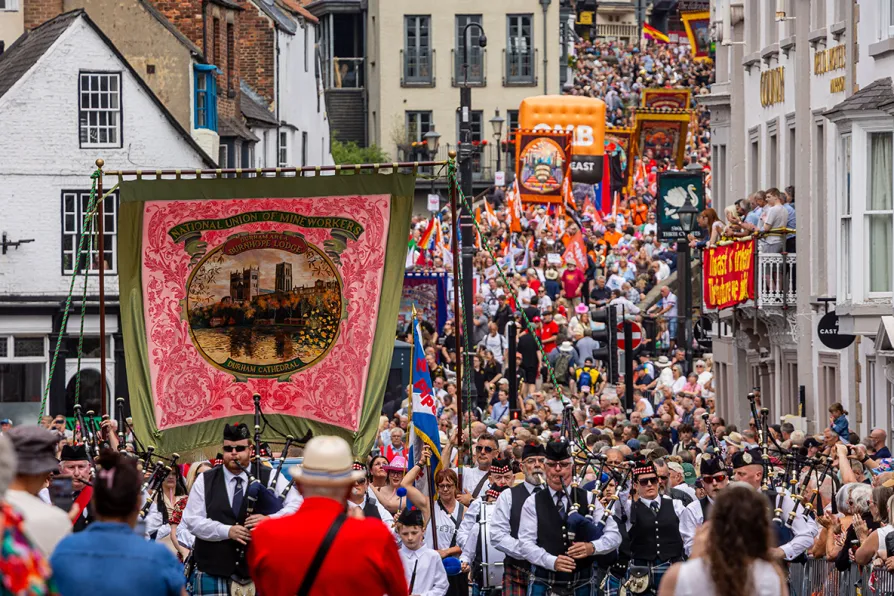
![Durham Miners' Gala 2026 [Pic: Neril Terry]](https://morningstaronline.co.uk/sites/default/files/styles/desktop/public/2026-07/SSS_20260711_DURHAM_MINERS_GALA_0-17.jpg.webp?itok=aLX58nf7)
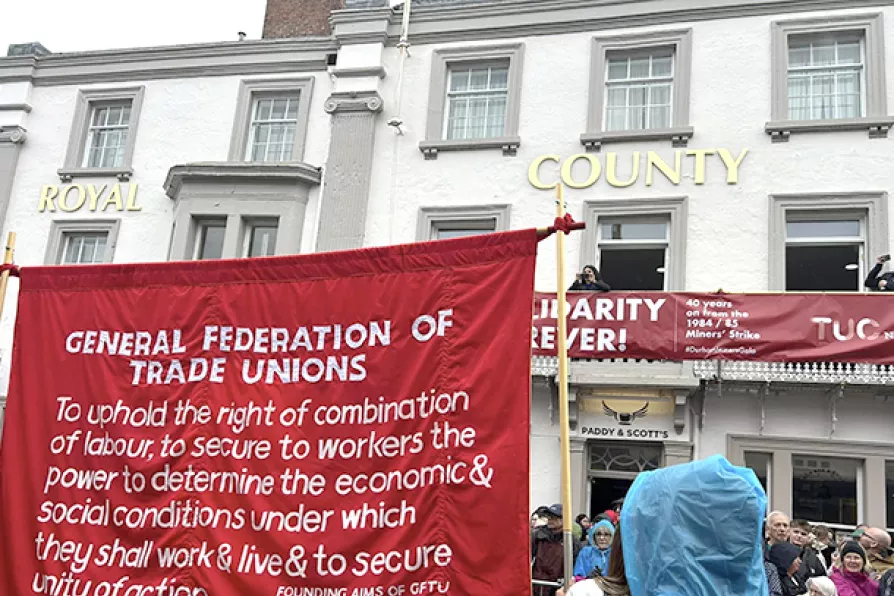
HENRY FOWLER outlines the GFTU’s new 2026-27 education programme and argues that investing in trade union education is essential to building worker power, developing leaders and strengthening collective action
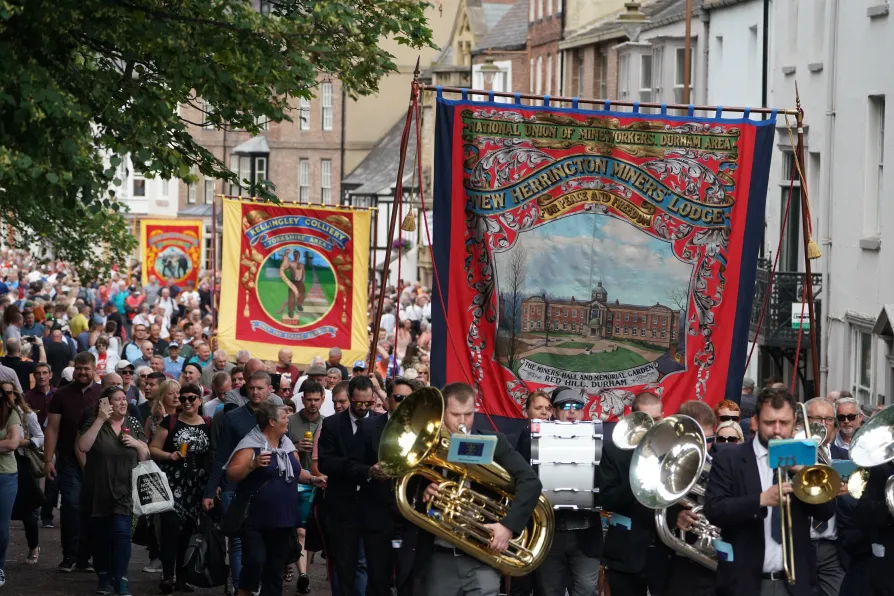
The Durham Miners’ Gala is a celebration of working-class culture, but also a call to action — to rebuild workers’ collective strength, says KIM JOHNSON MP