Latest editorial

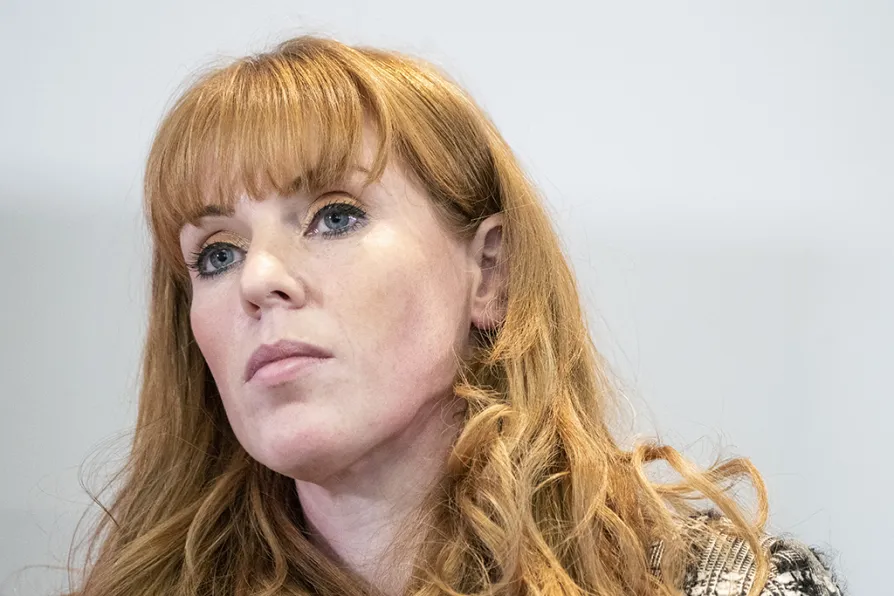 Angela Rayner's plug for a “shoot first, ask questions second” approach to counter-terror policing has provoked anger across the labour movement
Waiting for the grander vision to emerge


ANGELA RAYNER’S plug for a “shoot first, ask questions second” approach to counter-terror policing has provoked anger across the labour movement.
It illustrates disjointed thinking from Labour: a party that calls one week for urgent reform of the police because of entrenched racism, sexism and homophobia apparently sees no problem with encouraging this same force to pull the trigger based on suspicion rather than proof.
The timing could barely be worse, given the recent resignation of the London Met’s commissioner Cressida Dick, an officer most notorious for the “shoot first, ask questions second” operation that saw officers chase down unarmed, innocent electrician Jean Charles de Menezes in 2005 and kill him with seven bullets to the head.
The seeming contrast between Rayner’s stance and Labour’s recent concern about a toxic culture in the police could be a choreographed “tough on crime” nod to the reactionary gallery to appease officers outraged by London Mayor Sadiq Khan’s trenchant criticisms.
Or a means for Rayner to contrast her style to the “London lawyer” who leads the party — not that Keir Starmer needs any tips on authoritarianism.
It may even stem from an instinct to avoid the kind of nuanced reply that can be misrepresented by a dishonest media to present Labour as “soft on terrorists.”
Rayner no doubt remembers the BBC’s editing of a Jeremy Corbyn interview in November 2015 to imply just that, one of thousands of cases of deliberate media distortion of the former Labour leader’s views and something the BBC Trust admitted in 2017 showed the broadcaster “had not been duly accurate in how it framed the extract it used from Mr Corbyn’s interview.”
Whatever her motive, the insinuation that the “no-nonsense” answer to terrorism is more state violence is a tired trope used to mask the British state’s culpability in the terrorist threat occasionally faced by its citizens.
The public are quite capable of spotting the link between British foreign policy and terrorist attacks, as we learned in 2017 when Corbyn made the connection and an incredulous media found a majority agreed.
Outside the Westminster bubble, it is widely understood that the Afghan, Libyan and especially Iraq wars massively increased the power of jihadist groups and significantly increased the terrorist threat.
Less well known but equally important is the utter hypocrisy of a British Establishment that claims the left is “soft on terror” while actively arming and funding extremists whenever convenient.
In the case of the Manchester Arena terror attack, the bomber was the son of a Libyan jihadist that Britain’s secret service had helped return to Libya to fight against Colonel Gadaffi.
Having gone and gained combat experience alongside extremist killers in a brutal war, they were then enabled to return to this country with a predictable and awful result.
Anyone who thinks politicians have learned from this should look at the arms and training being showered on far-right forces in eastern Ukraine, currently presented as brave volunteers standing up to the Russian menace, as with the Sun’s celebration of a “hero” female sniper this month which didn’t mention a blog in which she rails at the threat black people pose to “white nations,” attacks homosexuality, denies the Holocaust and praises Hitler.
The Guardian reports that “at least half a dozen known neonazis” have travelled from the US and Europe to Ukraine this week; Hope Not Hate was warning about the attraction of neonazi units like Ukraine’s Azov battalion to the far right over here four years ago. What threat could veterans of this conflict pose when they return?
If Labour wants to get tough on terrorism, it should oppose Britain’s backing for Ukrainian extremists and challenge the government’s reckless warmongering — not egg on our already overpowerful police to shoot first and ask questions later.

ANGUS REID considers the power of the podcast as a vehicle for consensus building in opposition to mainstream media narratives

As Saudi Arabia is hailed abroad for its ‘reforms,’ the reality for women inside the kingdom grows ever more repressive. On the International Day for the Elimination of Violence Against Women, MARYAM ALDOSSARI argues it is time to stop applauding the illusion – and start listening to the women the state works hardest to silence
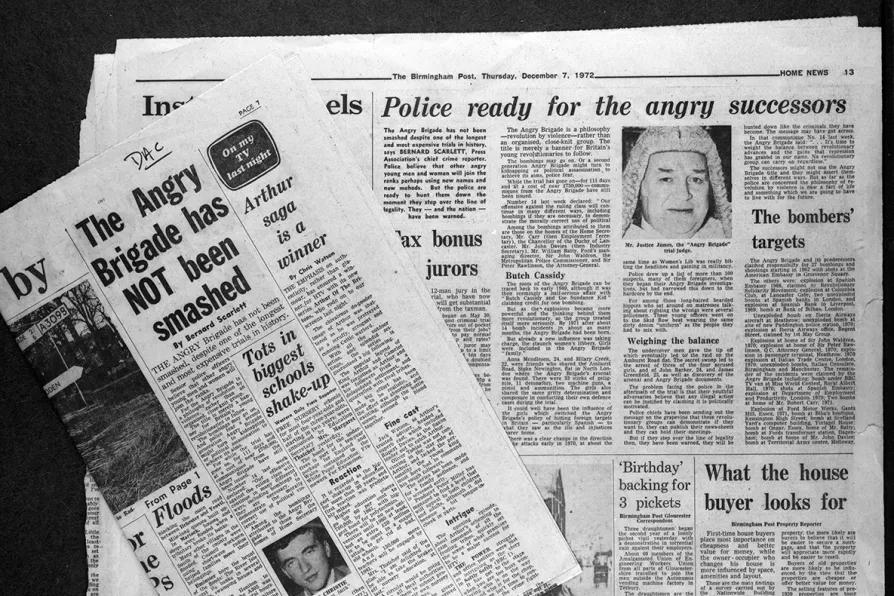
With the recent release of Paul Thomas Anderson’s movie One Battle After Another, STEPHEN ARNELL gives the storied history of the British real-life left-wing urban guerillas