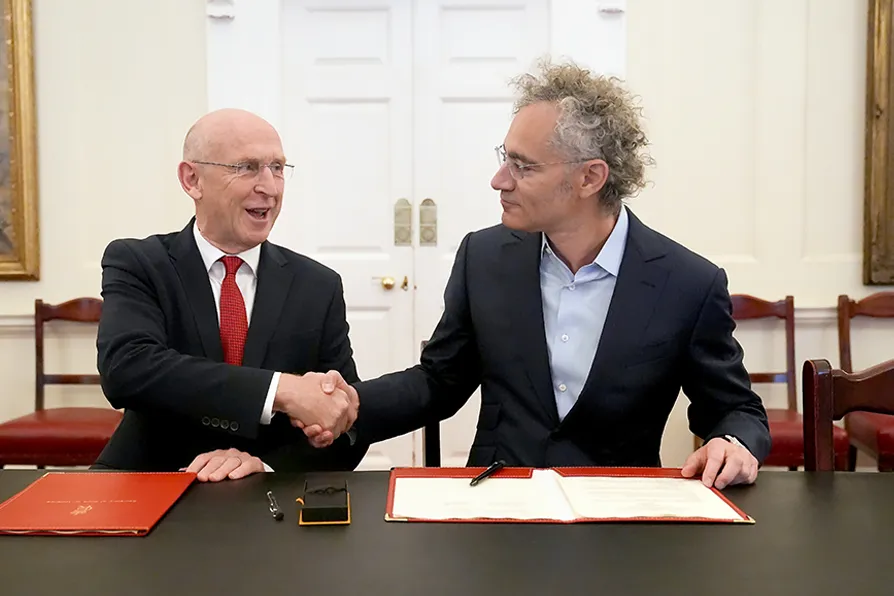
The greatest threat to democracy may no longer come from political parties but from unelected tech oligarchs like Peter Thiel and his powerful Silicon Valley network, argues JOHN GREEN


 Latest editorial
What does the fall of Assad mean for Rojava and its women’s revolution?
The Kurdish women’s organisation Kongra Star argues that the system established in north-east Syria’s autonomous administration is a significant step forward for women’s rights and politics in the region and must be defended
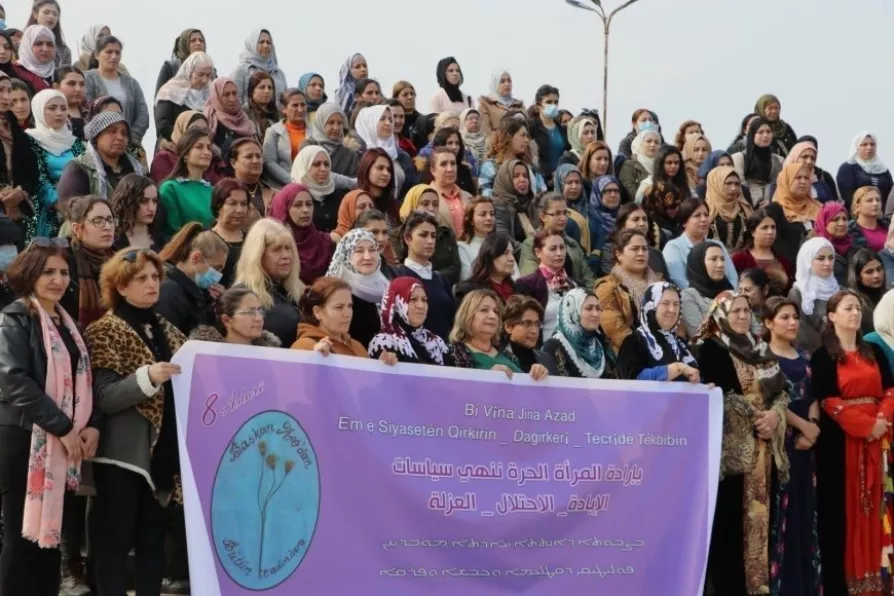 A joint declaration on March 8
[Kongra Star]
A joint declaration on March 8
[Kongra Star]
Today’s interconnected conflicts are enriching the arms industry while pushing the entire world towards permanent militarisation, argues ROGER McKENZIE
by Nana Backland, Merseyside Morning Star Readers & Supporters Group
The government’s Pip review looks like a carefully managed exercise in legitimising future cuts to disability support, argues Dr DYLAN MURPHY
The Tories introduced the 50% strike ballot threshold to make industrial action harder. MATT WRACK argues that a Labour government has no justification for leaving it on the statute book


IN 2011, the winds of the Arab Spring blew into Syria and protests against the regime of the Ba’ath Party led by Bashar al-Assad gave rise to a civil war that continues to this day under the influence of a wide variety of political forces.
In north-east Syria, also known as “Rojava” (the Kurdish name for Western Kurdistan), the Syrian state largely withdrew after the people’s uprising in 2012. The majority Kurdish population in the region took the initiative and began to establish self-administration based on communes and councils and empowerment of women.
From the beginning of the revolution, women organised themselves independently, set up their communes and councils, participated in all political decisions and implemented a co-chair-system and gender quotas in all institutions, as well as women’s and family laws. A women’s revolution began in Rojava.

Similar stories
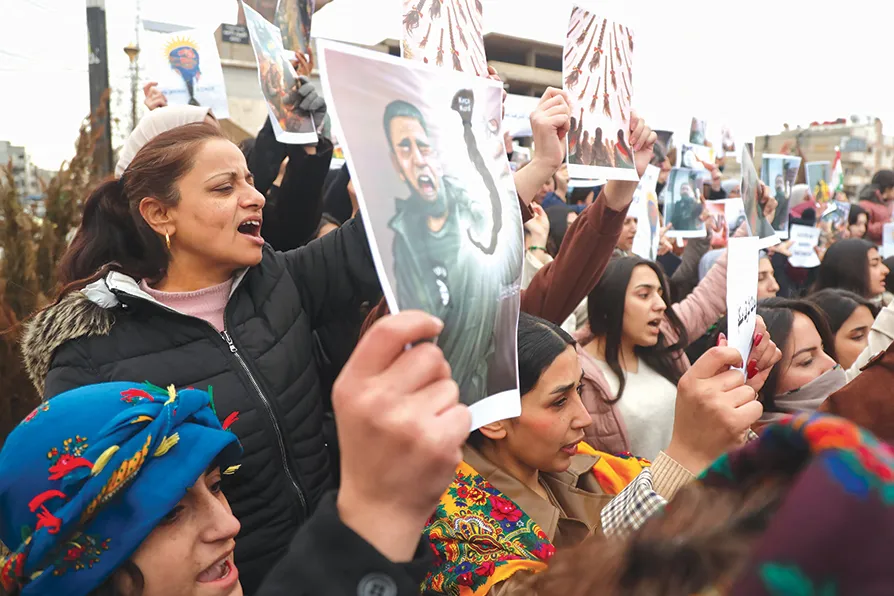
VIJAY PRASHAD details how US support for Syrian President Ahmad al-Sharaa allowed him to break the resistance of the autonomous Syrian Democratic Forces (SDF)
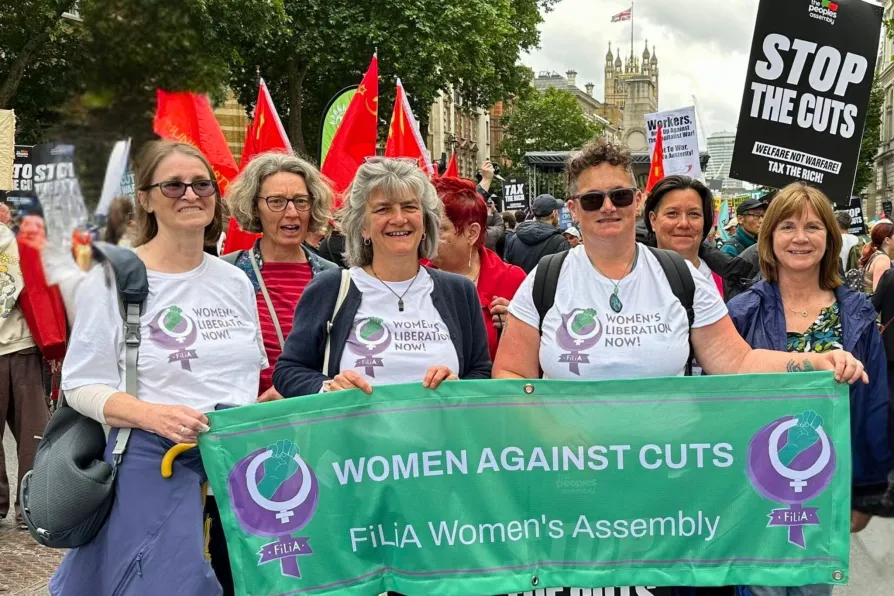
Women are a vital part of the labour movement and have much to contribute, but there’s far more to be done to make sure that our sisters’ voices are truly heard, says PHILIPA HARVEY
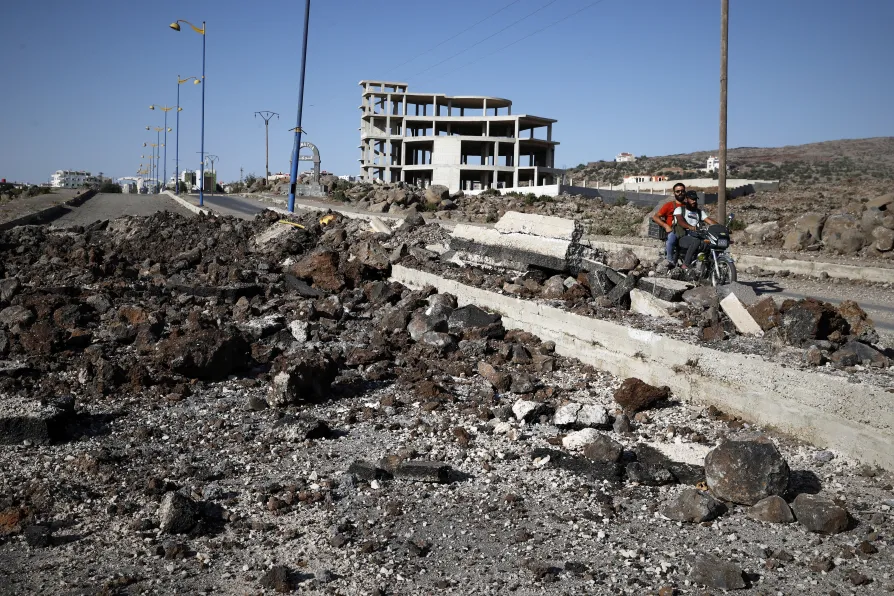
VIJAY PRASHAD looks at the web of militias and drug-trafficking gangs that emerged in the Sweida region through the Syrian civil war, and how they relate to recent clashes and Israel’s intervention