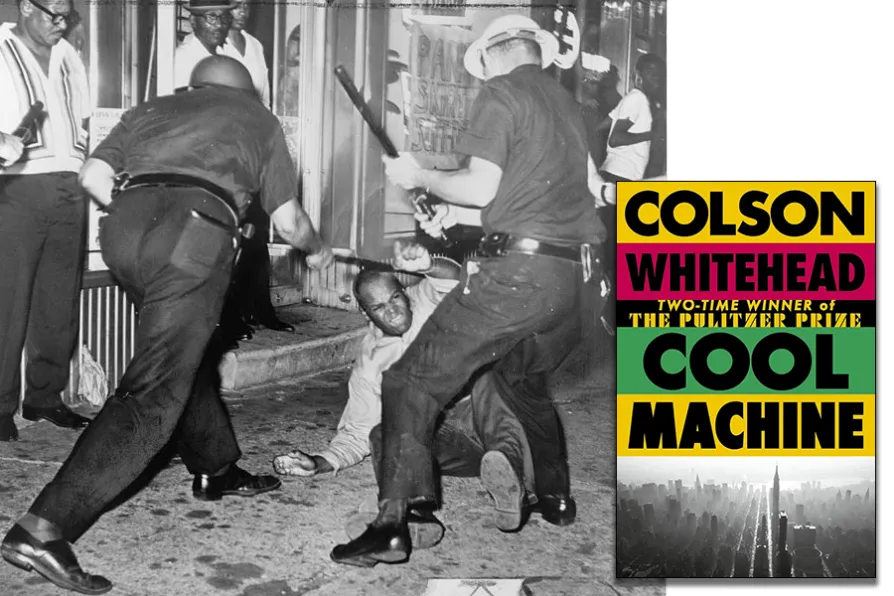
DOUGLAS FIELD relishes the hard-boiled language, satire and humour of the third and last of the Harlem trilogy


 Latest editorial
Call-out for Short Stories
ANDY HEDGECOCK invites readers to contribute short fiction to our arts pages, offers some guidance and picks a few favourites
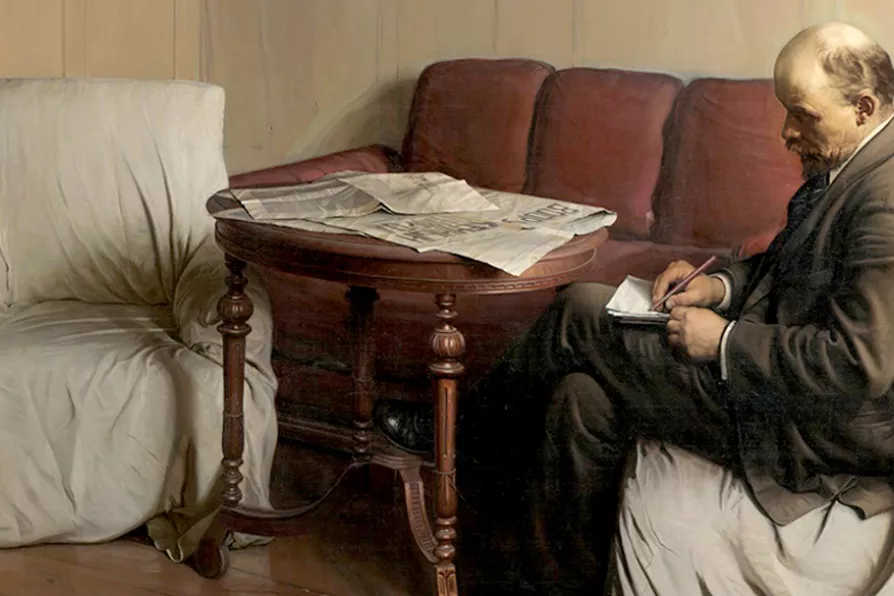 Lenin in Smolny, by Isaac Brodsky, 1930 (detail)
[Tretyakov Gallery/CC]
Lenin in Smolny, by Isaac Brodsky, 1930 (detail)
[Tretyakov Gallery/CC]
STEPHANIE BROWN draws attention to the hidden labour of the female embroiderers, and how a 19th century replica made no such error
MIK SABIERS revels in a band that ploughs an idiosyncratic furrow of expletive laden, guitar-driven alt rock
ANDY HEDGECOCK, MARIA DUARTE and ANGUS REID review Synthetic Sincerity, Our Hero, Balthazar, Heartstopper Forever, and A Year In London
The bard invites readers to a gig, raps for Clacton, and lays out the Burnham-Hurzeler conundrum
RON JACOBS recommends an important book that enhances the oppositional theories put forth by Fanon and, in doing so, remakes psychology itself


IN the summer of my 15th year, in a room with a view of Loch Linnhe, I read The Sixth Fontana Book of Great Ghost Stories. I had no presentiment of the enduring influence of this 35p paperback.
I still have my copy: it includes six well-written and entertaining excursions into the supernatural and two explorations of more ambiguous territory: The Door In The Wall by HG Wells, and The Grey Ones by JB Priestley. These stories have several features in common. They were written by socialists, they undermined the anthology’s title by failing to include a single ghost and – more significantly – they are narratives of transcendent complexity and weird resonance.
For me, as a teenage reader, they were a revelation. In a few thousand words – without breaking the spell of their relentlessly engaging plots – their authors played with structure, language and symbol to challenge perception and provoke speculation.

Similar stories
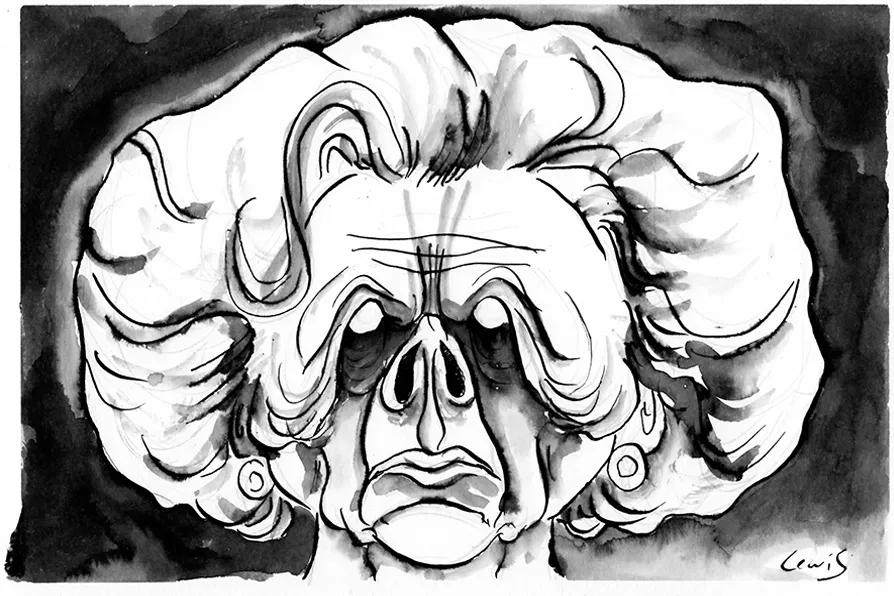
Ron's rages are sincere and — according to his wife — healthily cathartic. But can these splenetic outbursts loosen the grip of capitalism at its most monstrous?

In the second and final part of his article MIKE SCOTT posits that if we don’t control AI while we’ve got the chance, we could be signing the death warrant for our children and grandchildren
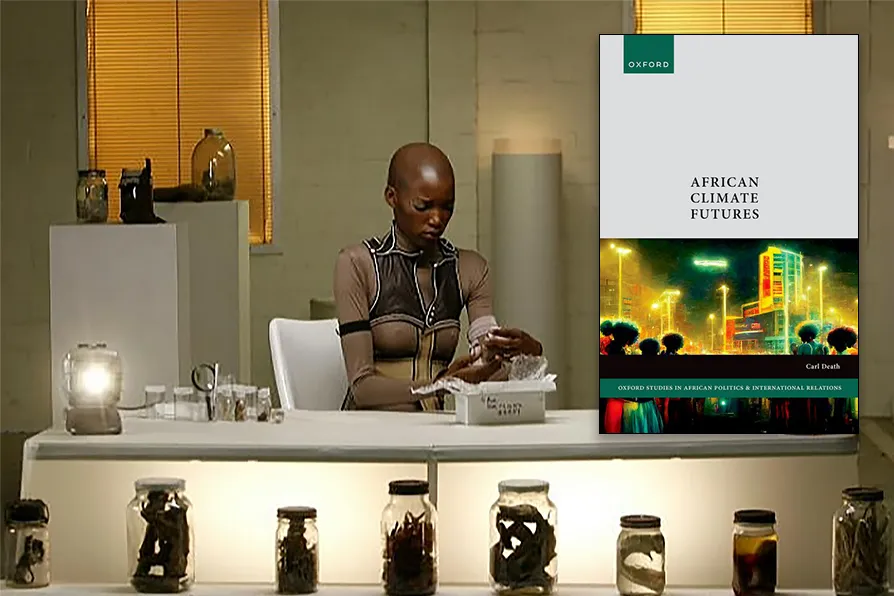
CARL DEATH introduces a new book which explores how African science fiction is addressing climate change
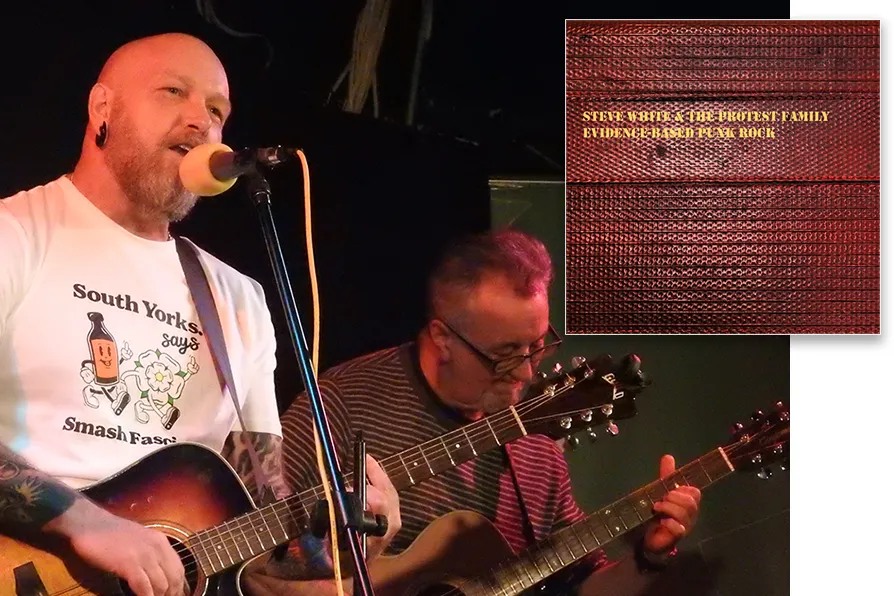
Fiery words from the Bard in Blackpool and Edinburgh, and Evidence Based Punk Rock from The Protest Family