The Tories introduced the 50% strike ballot threshold to make industrial action harder. MATT WRACK argues that a Labour government has no justification for leaving it on the statute book


 Latest editorial
The mass uprising in Bangladesh and the fall of Sheikh Hasina
NISAR AHMED, former chair of the Bangladeshi Workers Council and long-time community activist, talks to Jamshid Ahmadi, editor of the Liberation Journal, about the momentous struggle that toppled a 15-year regime
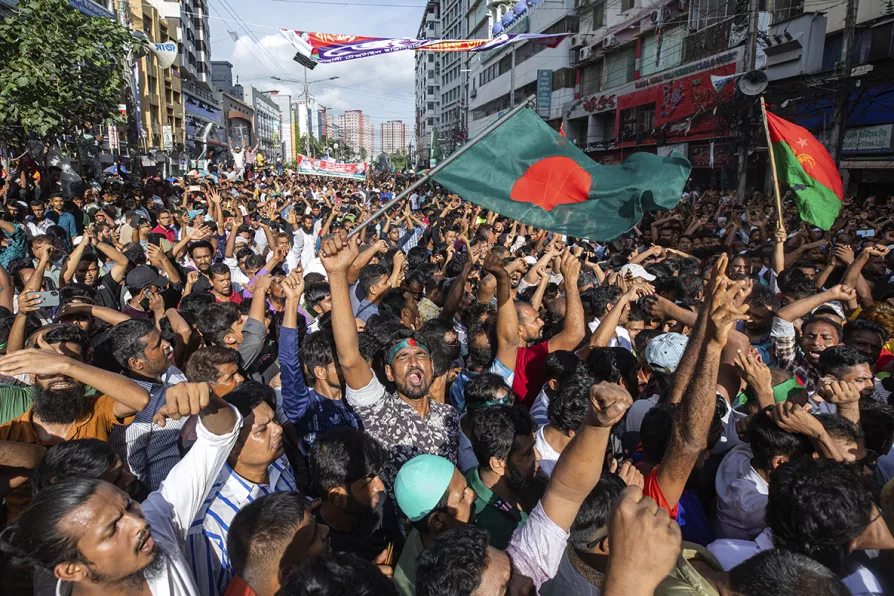 People gather in front of the Bangladesh Nationalist Party (BNP) headquarters during a rally in Dhaka, Bangladesh, August 7, 2024

In the wake of Ann Widdecombe’s murder, JOHN GREEN wonders whether the government will really get to grips with the root cause of these attacks on our MPs
The new PM’s opening addresses offered hope, council homes and reform — but little detail on how any of it will be delivered, warns CLAUDIA WEBBE
Despite the screeching from the right-wing media, Burnham’s speech chimed with the public mood - and socialists should take advantage, says Morning Star editor BEN CHACKO
Scotland's Labour leader cannot continue to evade responsibility for the party's decline, argues LAUREN HARPER
Nature as well as society works dialectically, asserts the Marx Memorial Library and Workers’ School


Jamshid Ahmadi: Can you briefly outline the background of the student movement that led to the recent mass uprising in Bangladesh?
Nisar Ahmed: The background to the student movement lies in the quota system of allocating 30 per cent of government jobs to children and grandchildren of freedom fighters of the 1971 national liberation war that established the state of Bangladesh. After 53 years had elapsed, such a scheme did not make any rational sense to the students.
Moreover, in the past 15-year rule of the Awami League and Sheikh Hasina, it was misused to benefit party members and to politicise the state machinery. With acute unemployment among youth following two decades of neoliberal economic policies, it was a ticking bomb waiting to detonate.

Similar stories
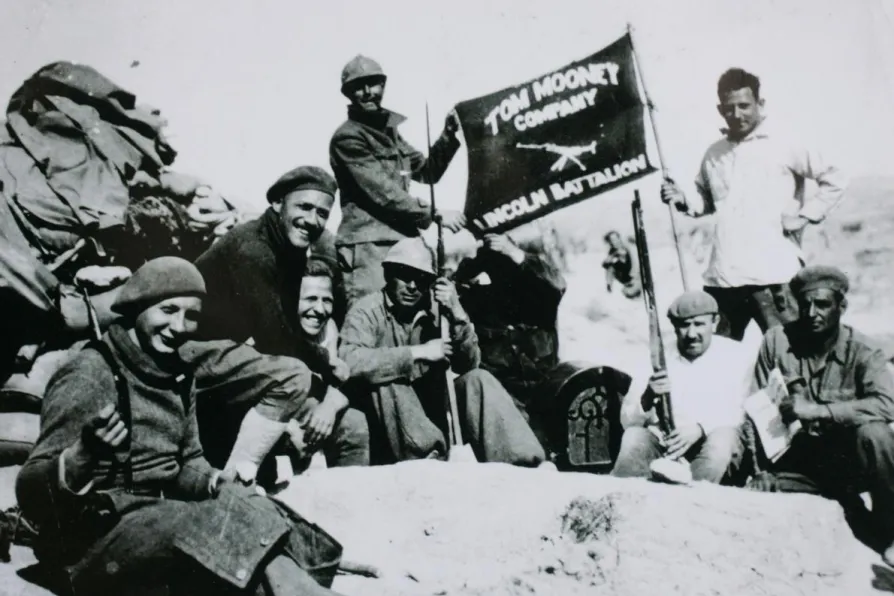
CJ ATKINS commemorates one of the most dramatic moments in working-class history

MOHAMMAD OMIDVAR, a senior figure in the Tudeh Party of Iran, tells the Morning Star that mass protests are rooted in poverty, corruption and neoliberal rule and warns against monarchist revival and US-engineered regime change

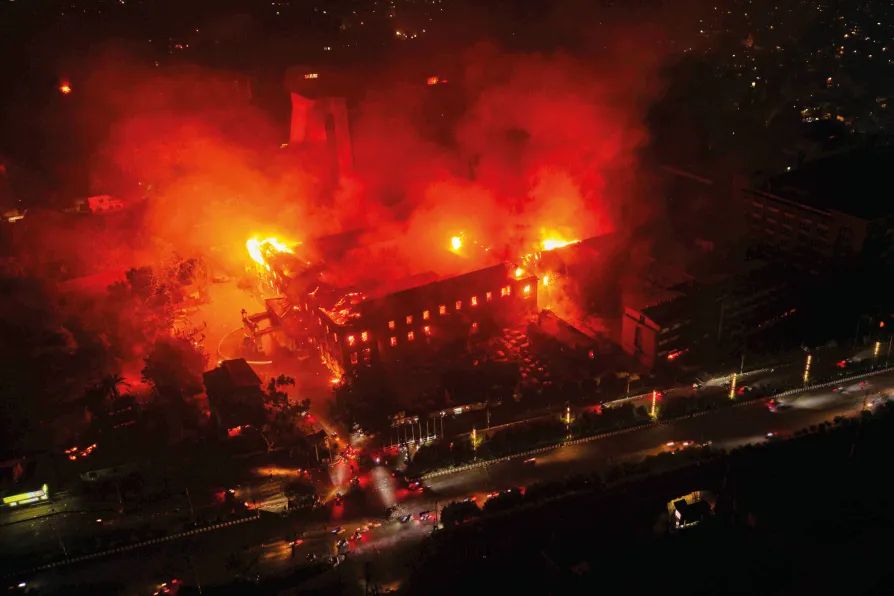
Following the resignation of Nepali Prime Minister KP Oli amid mass youth-driven protests, different narratives have circulated which simplify and misrepresent the complexities and reality on the ground in Nepal at the roots of this crisis, argue VIJAY PRASHAD and ATUL CHANDRA