The Tories introduced the 50% strike ballot threshold to make industrial action harder. MATT WRACK argues that a Labour government has no justification for leaving it on the statute book


 Latest editorial
A troubled land: Britain and the 2024 election
PETER KENWORTHY on the Tory wipeout, Labour landslide and the changing character of British politics
 Changing of the guard? Keir Starmer (left) has succeeded Rishi Sunak as Prime Minister of a troubled country

In the wake of Ann Widdecombe’s murder, JOHN GREEN wonders whether the government will really get to grips with the root cause of these attacks on our MPs
The new PM’s opening addresses offered hope, council homes and reform — but little detail on how any of it will be delivered, warns CLAUDIA WEBBE
Despite the screeching from the right-wing media, Burnham’s speech chimed with the public mood - and socialists should take advantage, says Morning Star editor BEN CHACKO
Scotland's Labour leader cannot continue to evade responsibility for the party's decline, argues LAUREN HARPER
Nature as well as society works dialectically, asserts the Marx Memorial Library and Workers’ School


Reader’s note: In print, this article appeared in four parts over the course of the week.
I GREW up in Harston, five miles south of central Cambridge down the A10. A little tranquil village with a population of less than 2,000 with meadows, a school, village hall, pub, petrol station and post office-cum-store. And a village in an affluent part of Britain that has both a Porsche centre and a Ducati motorbike shop.
Harston has a gross disposable household income of £27,031 — compared to a national average of £20,425. The village is part of South Cambridgeshire, a constituency that in 2019 elected Conservative Anthony Browne to Parliament — who voted with his party in the House on all but one occasion out of 982 — and that has for many years been a Tory stronghold.

Similar stories
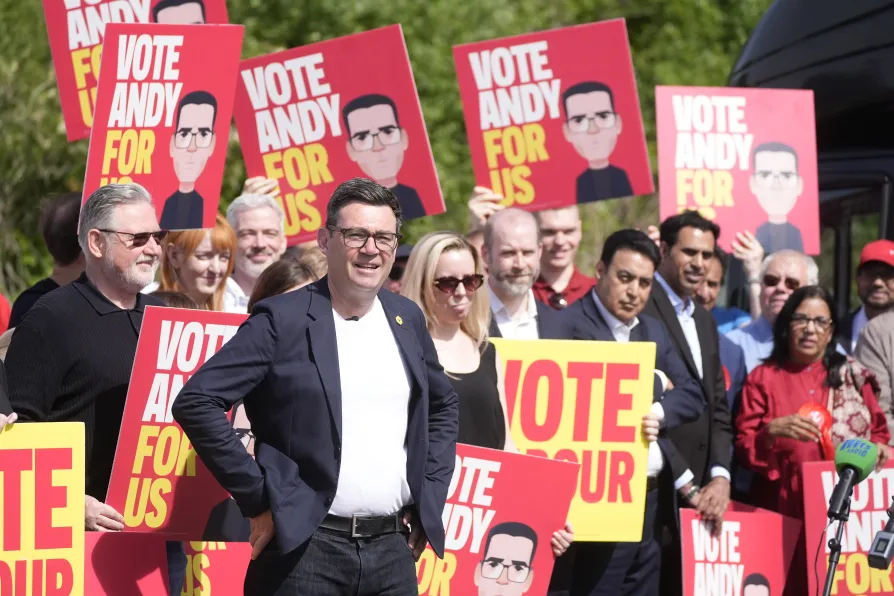
Burnham launches his campaign to return to Westminster

The new Scottish Parliament looks set to continue a cycle of managerial tinkering while public services face the axe, writes STEPHEN LOW

This by-election could plausibly see both Reform and Labour defeated — but splitting the left insurgent vote would put that at risk, argues CHRIS WILLIAMSON

CLAUDIA WEBBE argues that Labour gains nothing from its adoption of right-wing stances on immigration, and seems instead to be deliberately paving the way for the far right to become an established force in British politics, as it has already in Europe