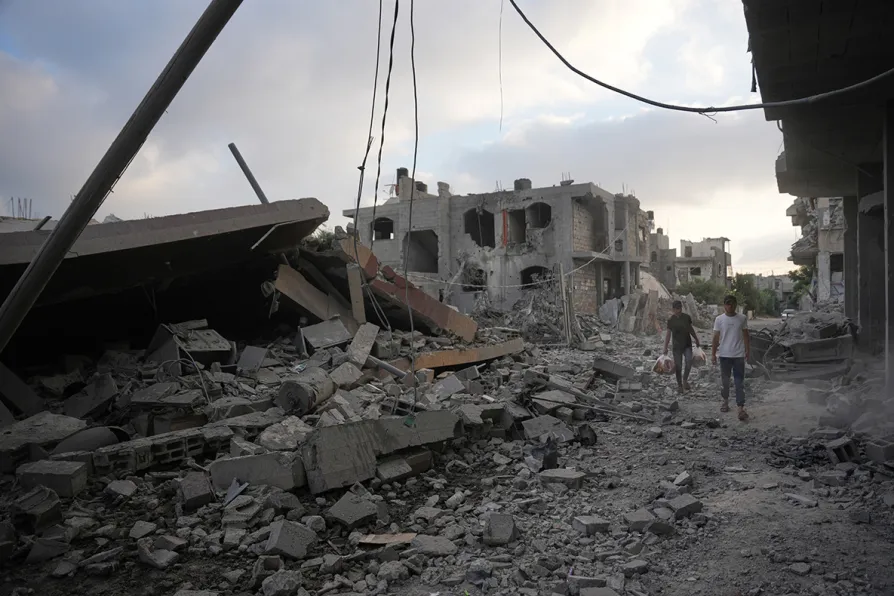
While international actors discuss governance and reconstruction, Netanyahu has made it clear that Israel has no intention of ending its military occupation, says RAMZY BAROUD


 Latest editorial
Britain’s foreign policy is now out of step with the global majority
Britain is ramping up military spending while the global South is instead focusing on co-operation through entities like the Brics coalition — it is clear which approach is paying dividends, warns FIONA EDWARDS
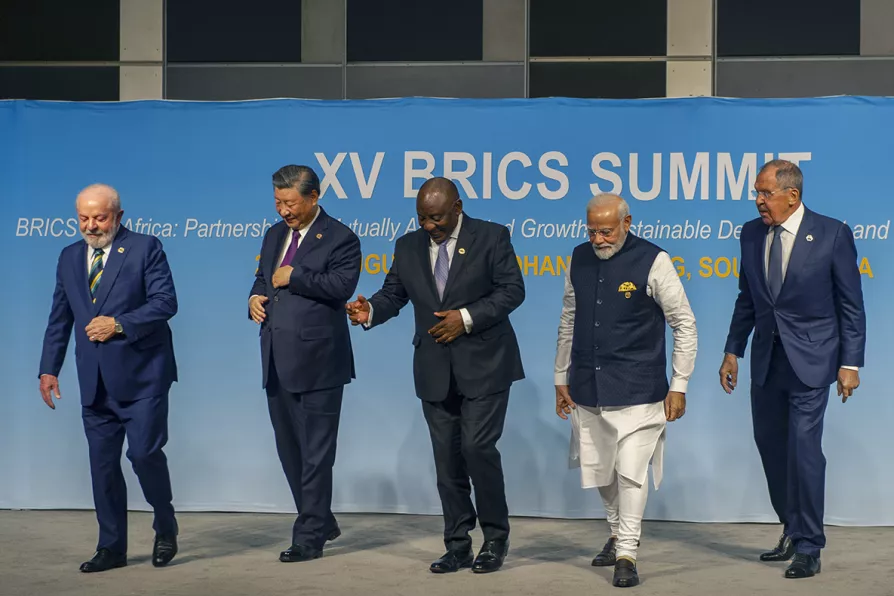 From left, Brazil's President Luiz Inacio Lula da Silva, China's President Xi Jinping, South Africa's President Cyril Ramaphosa, India's Prime Minister Narendra Modi and Russia's Foreign Minister Sergei Lavrov pose for a BRICS group photo during the 2023 BRICS Summit in Johannesburg, South Africa, Aug. 23, 2023
NICK WRIGHT continues his series analysing the trends in European politics
We have the alternative economics, histories of our struggles and the confidence to change the world
General Federation of Trade Unions assistant general secretary HENRY FOWLER reports on the final day from the GFTU’s residential Summer School at the Workers’ Retreat, Quorn Grange Hotel
Capitalism has exploited — and polluted — our natural resources for too long, it’s time we treated our rivers as living beings, writes MIRIUM GAUNTLETT, LIAM SHAW and ROX MIDDLETON
Treating the Clacton by-election as a joke risks reinforcing the Reform leader’s claim to be the victim of an out-of-touch Establishment, argues JOHN McINALLY
MPs and others called for the urgent release of tortured Palestinian doctor, Hussam Abu Safiya, held hostage by Israel and reportedly near death, reports LINDA PENTZ GUNTER


SIGNIFICANT shifts are taking place in international relations that underscore how deeply unpopular and isolated Britain’s foreign policy agenda has become.
It is one that focuses on war and maintaining a world order led by the US that has enriched a small minority at the expense of the majority of humanity.
The British government has positioned itself as the US’s most loyal and belligerent ally. In the past two years Britain has been hitting the international headlines, not for pursuing any diplomatic efforts to achieve peace in Ukraine, but for its leading role in escalating international conflict both against Russia and China at the same time.

Similar stories

We need a government that invests in saving lives not destroying them, argues SOPHIE BOLT
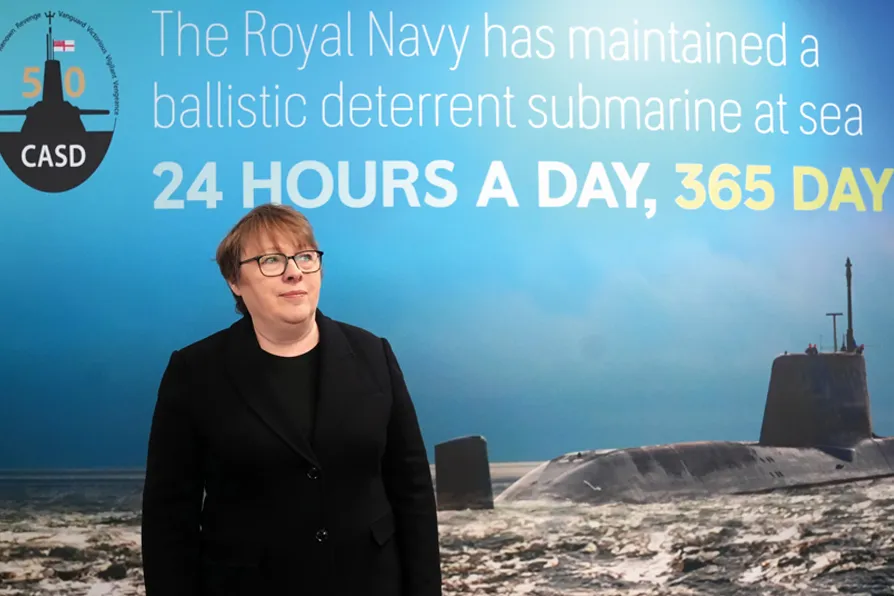
Expanding Britain’s nuclear capability increases the risk of nuclear confrontation. It does not keep us safe – it makes us a target, argues CAROL TURNER
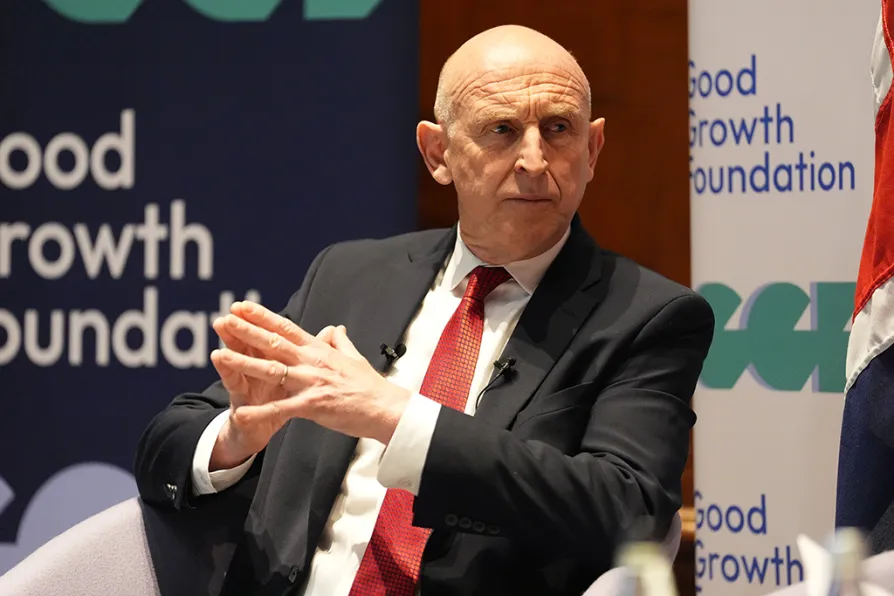
The defence secretary’s resignation reveals not a split over principle but a dispute over pace of military spending, as Britain’s political Establishment unites behind deeper Nato commitments, argues NICK WRIGHT
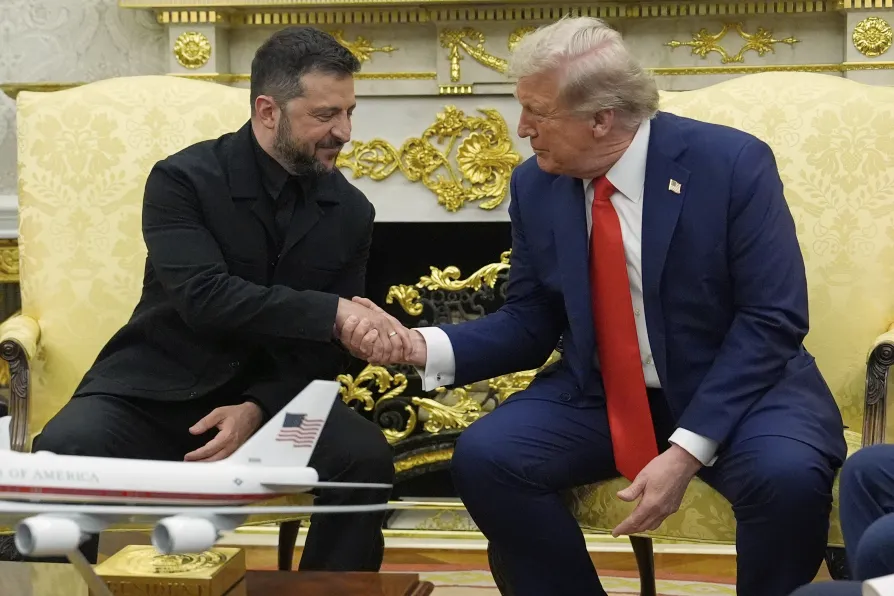
Washington plays innocent bystander while pouring weapons and intelligence into Ukraine, just as it enables the Gaza genocide — but every US escalation leaves Ukraine weaker than the neutrality deal rejected in 2022, argue MEDEA BENJAMIN and NICOLAS JS DAVIES