The Tories introduced the 50% strike ballot threshold to make industrial action harder. MATT WRACK argues that a Labour government has no justification for leaving it on the statute book


 Latest editorial
Off colour: Spanish journalism’s ‘black Wednesdays’
International Federation of Journalists communications officer NATALIA QUERALT PINAS explains how an all-black ‘wardrobe protest’ has boosted Spanish journalists’ pay
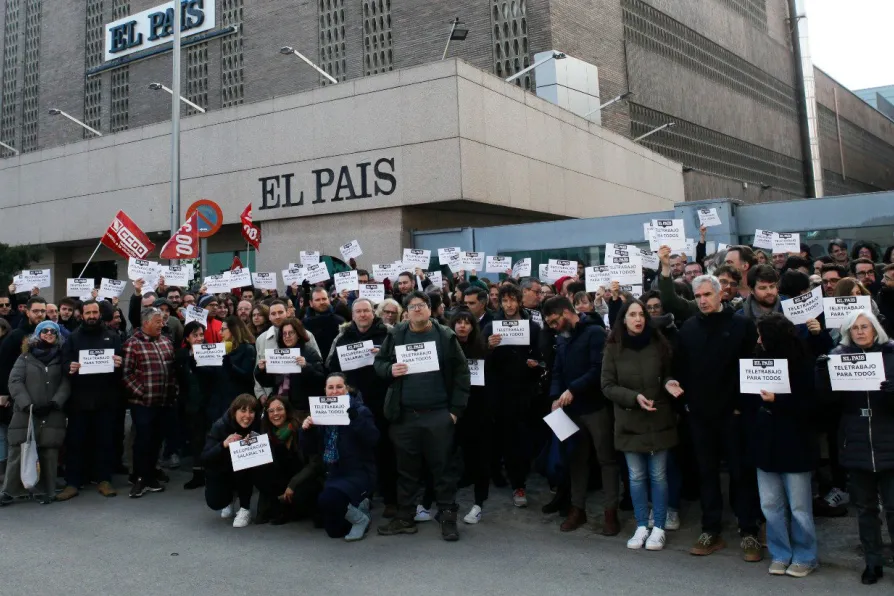 El Pais journalists dressed all in black for their pay protest
In the wake of Ann Widdecombe’s murder, JOHN GREEN wonders whether the government will really get to grips with the root cause of these attacks on our MPs
The new PM’s opening addresses offered hope, council homes and reform — but little detail on how any of it will be delivered, warns CLAUDIA WEBBE
Despite the screeching from the right-wing media, Burnham’s speech chimed with the public mood - and socialists should take advantage, says Morning Star editor BEN CHACKO
Scotland's Labour leader cannot continue to evade responsibility for the party's decline, argues LAUREN HARPER
Nature as well as society works dialectically, asserts the Marx Memorial Library and Workers’ School


STAND outside the offices where the Spanish national newspaper El Pais is published on any Wednesday morning in the past few months, and you might imagine that the staff are in mourning.
Despite the sunshine, they are all wearing black. Across Madrid, at the home of El Mundo, a similar scene could be observed. Indeed, at many newspapers all over Spain, journalists have been reporting for work on Wednesdays wearing black from head to toe for some months.
It is part of a nationwide protest against terrible pay in the media, which appears to have rattled bosses. In July, management at El Pais agreed to a progressive 8 per cent raise until 2025, with a staggered increase according to the different categories of journalists, after a 12-year wage freeze.

Similar stories
![[Pic: Andrew Wiard]](https://morningstaronline.co.uk/sites/default/files/styles/desktop/public/2026-01/19860503_a_wiard_0003.jpg.webp?itok=mR5zV0nE)
The once beating heart of British journalism was undone by technological change, union battles and Murdoch’s 1986 Wapping coup – leaving London the only major capital without a press club, says TIM GOPSILL
![[Pic: Andrew Wiard]](https://morningstaronline.co.uk/sites/default/files/styles/desktop/public/2026-01/19860330_a_wiard_0001JPG.jpg.webp?itok=nkzZbinE)
As advertising drains away, newsrooms shrink and local papers disappear, MIKE WAYNE argues that the market model for news is broken – and that public-interest alternatives, rooted in democratic accountability, are more necessary than ever
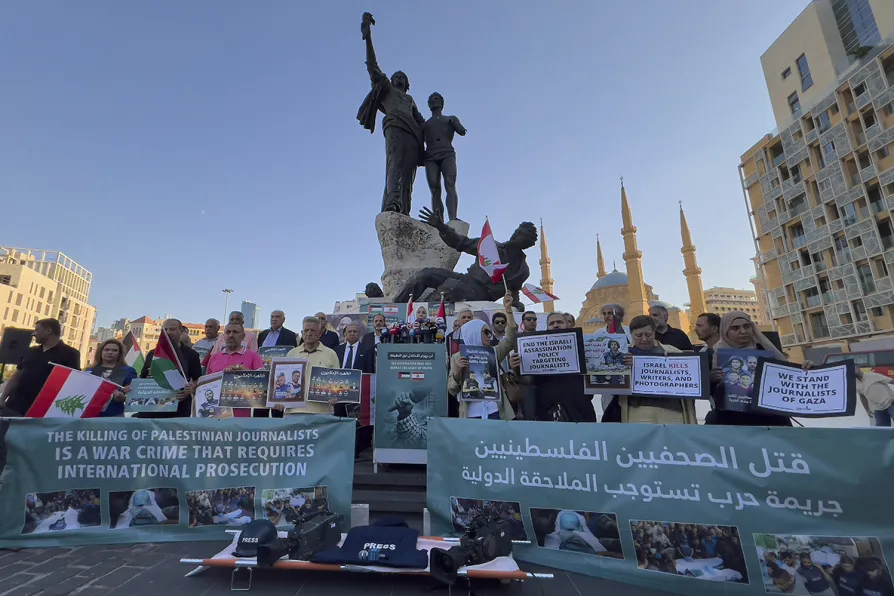
Speaking to the Morning Star’s Ceren Sagir, general secretary of the National Union of Journalists LAURA DAVISON outlines the threats to journalism from Palestine to Britain, and the unique challenges confronting the industry through the rise of AI
MATT WRACK issues a clarion call for a rejuvenation of public services for the sake of our communities and our young people