

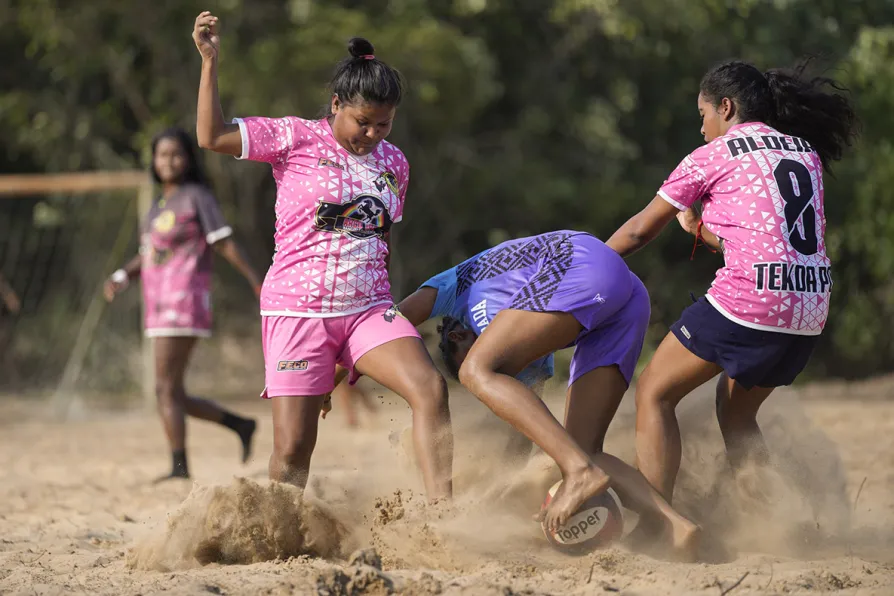
 Indigenous athletes compete in a soccer match as part of the Indigenous Games, in the Tapirema community of Peruibe, Brazil


THIS year’s Women’s World Cup in Australia and New Zealand is a world away from Indigenous Brazilian leader Guaciane da Silva Gomes, who lives in the isolated village of Tapirema in southern Sao Paulo state. She and her teammates, however, can still dream about it.
Gomes and her friends, Indigenous and non-Indigenous, play football on a dusty field between a lake and palm trees in the city of Peruibe, 138 kilometres (86 miles) south of Sao Paulo. When she finds only a handful of other female players available, she joins the men and tackles just as hard to keep her passion running high. A passion she believes will grow with the Women’s World Cup.
“I will definitely find the time and place to watch, learn some techniques, watch the best of the best,” Gomes said last weekend after playing at the first Indigenous Games of Peruibe. “What they do there also inspires us here. We are all seeking visibility.”

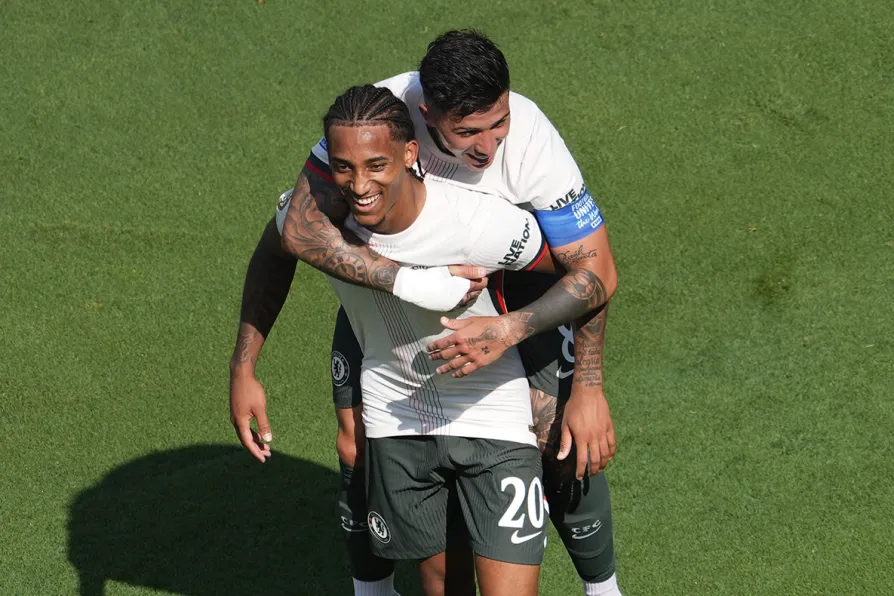
Joao Pedro’s emotional goals against Fluminense captured the magic of an international club competition. But even as fans bring colour and passion, the Club World Cup’s deeper issues loom large, writes JAMES NALTON
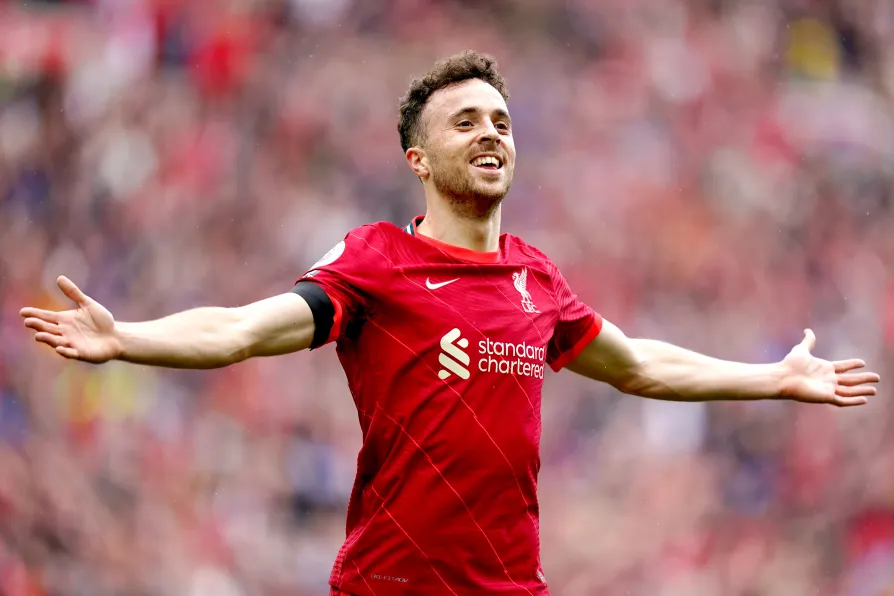
Klopp leads tributes as sports world mourns tragic loss of player and his brother
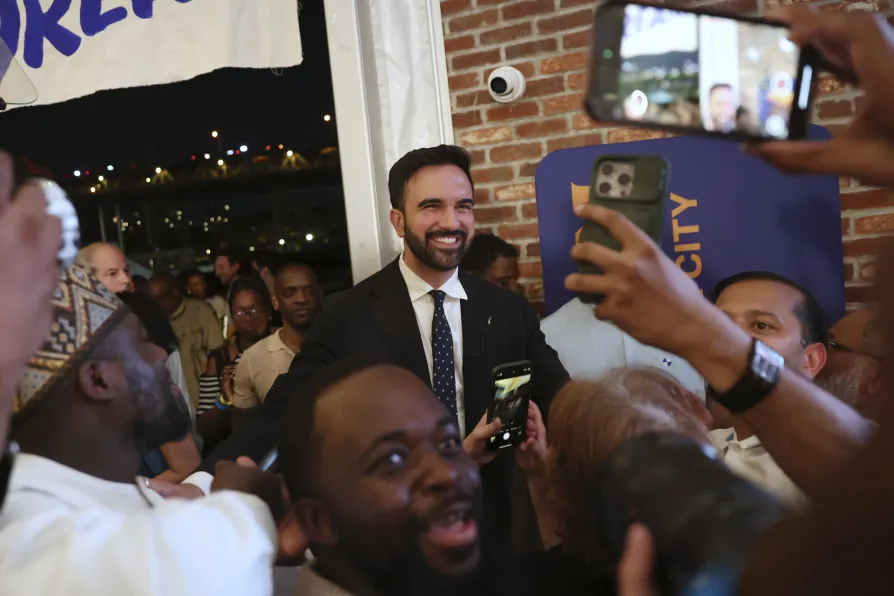
JAMES NALTON writes how at the heart of the big apple, the beautiful game exists as something more community-oriented, which could benefit hugely under mayoral candidate Zohran Mamdani