

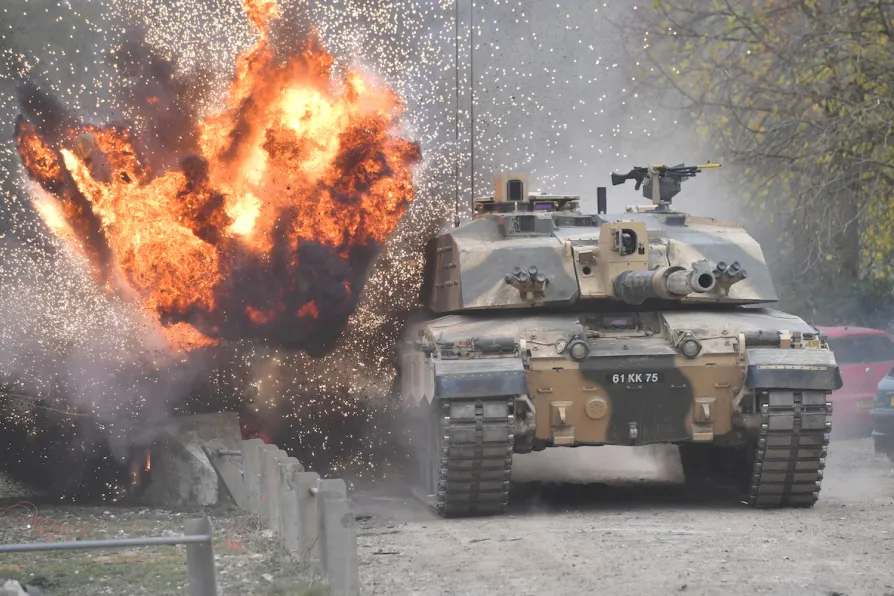
 A Challenger 2 Main Battle Tank during a Land Combat demonstration at Copehill Down Village on Salisbury Plain, Wiltshire



NEW figures on military spending around the world from the Stockholm International Peace Research Institute (Sipri) make grim reading.
They show that global expenditure increased in real terms by almost 4 per cent in 2022 to a new all-time high. The trend is now remorselessly upwards, after the decline of the early and mid-1990s and during the international recession that followed the financial crash of 2009-10.
The biggest spender continues to be the US whose $877 billion war chest is larger than those of the next 11 countries combined. These include China, which the US outspends by three to one, and takes no account of US proxy spending through Ukraine (up 25 places in the charts to number 11), Israel (at number 15) and Taiwan (number 21).
Britain has slipped two places to number six. In at number five is Saudi Arabia, up three places thanks mostly to imports from the US, France and Spain. Sharing weapons must be one of those shared “Western values” we hear so much about.
Nato-EU members and their allies dominate all but four of the top 25 places in the arms expenditure league, their governments sponsored by — and sponsoring — the likes of Lockheed Martin, Boeing, Raytheon, General Dynamics, BAE Systems and Airbus.
Perhaps the time has come for Nato secretary-general Jens Stoltenberg, EU president Ursula von der Leyen, presidents Joe Biden and Emmanuel Macron and Prime Minister Rishi Sunak to wear the appropriate corporate logos in future public appearances.
Their priorities are clear enough.
Last year, for instance, they led the world’s governments to pour more than $2 trillion into their respective war machines, 10 times more than could be found for official development assistance to poorer countries.
The two different budgets are rather more closely related than the sums involved might suggest. Far too much development aid comes with strings attached, as recipients agree to purchase armaments from the chief exporting countries, namely, the US (which exports as much as the next nine countries put together), France, Russia, China, Italy, Germany, Britain, Spain, Israel and Poland in that order.
Nor are the prospects for demilitarisation looking any brighter. The Ukraine war has played the single biggest part in boosting military budgets. The new cold war against China is also good for business, as the Aukus pact commits Australia in particular to a major expansion of its arms programme with imports from the US.
At the same time, Japan’s right-wing governments have stayed true to the warmongering course set by former prime minister Shinzo Abe, increasing the country’s arms budget by 6 per cent last year.
Likewise, the Nato-EU bloc promotes a fresh round of militarism across Europe, including Britain, with mechanisms to enhance integration as member states head towards the target of devoting 2.5 per cent of GDP to military spending.
If only the world’s big spenders — notably the US, Russia and Britain — showed the same urgency to press for peace and disarmament as they do pushing for rearmament and war.
Beyond CND, Stop the War, the Quakers, Plaid Cymru, the Communist Party and some other groups on the left, where are the voices for peace and against the planned expansion of Britain’s nuclear arsenal?
Even the Green Party has joined the SNP under the nuclear umbrella of a bomb-happy and expansionist Nato.
And, most shamefully of all, for the first time in that party’s history, not a single Labour MP now speaks out against Britain’s participation in the recommenced march to Armageddon.


We need a government that invests in saving lives not destroying them, argues SOPHIE BOLT
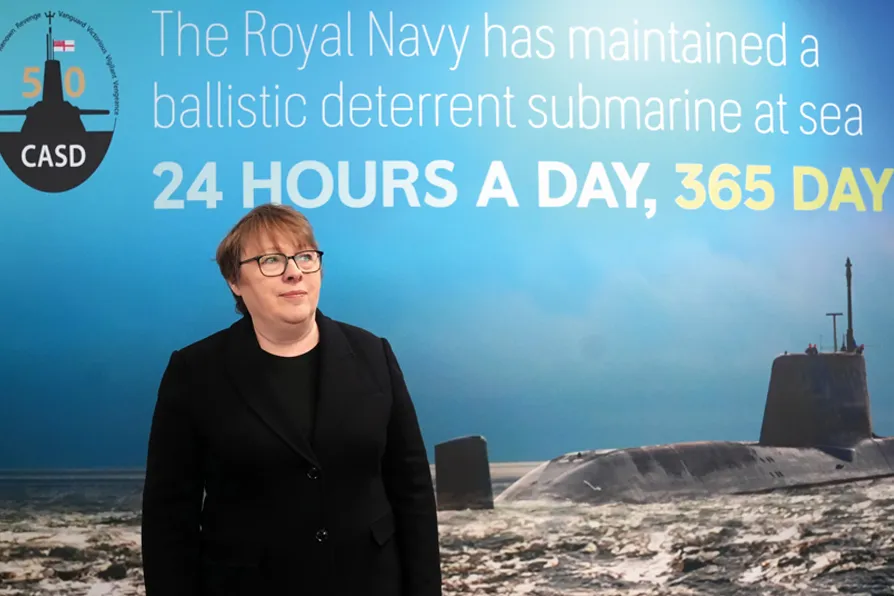
Expanding Britain’s nuclear capability increases the risk of nuclear confrontation. It does not keep us safe – it makes us a target, argues CAROL TURNER
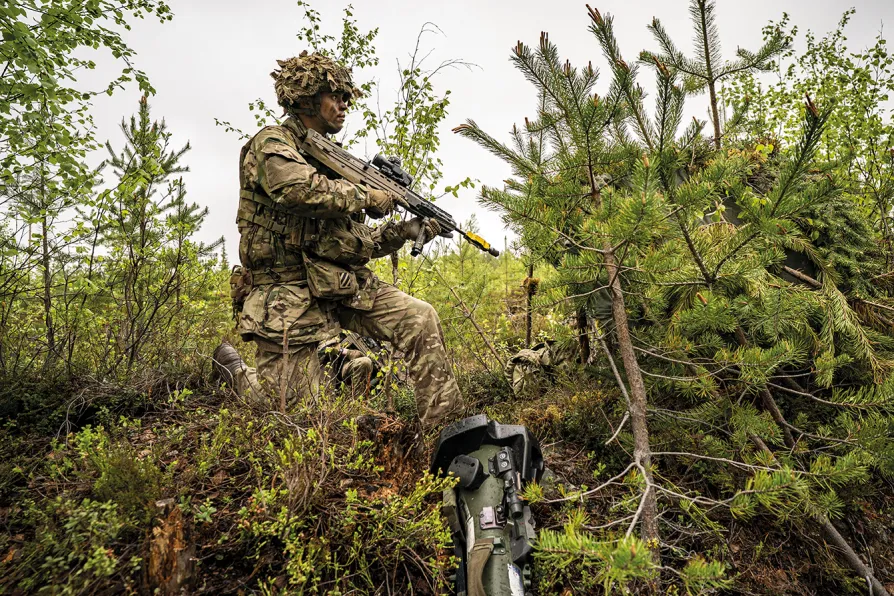
Economists estimate extreme poverty could be drastically reduced for a fraction of global defence spending, yet military budgets continue to expand year on year, says JON TRICKETT MP, ahead of the Stop the War International Conference on Saturday
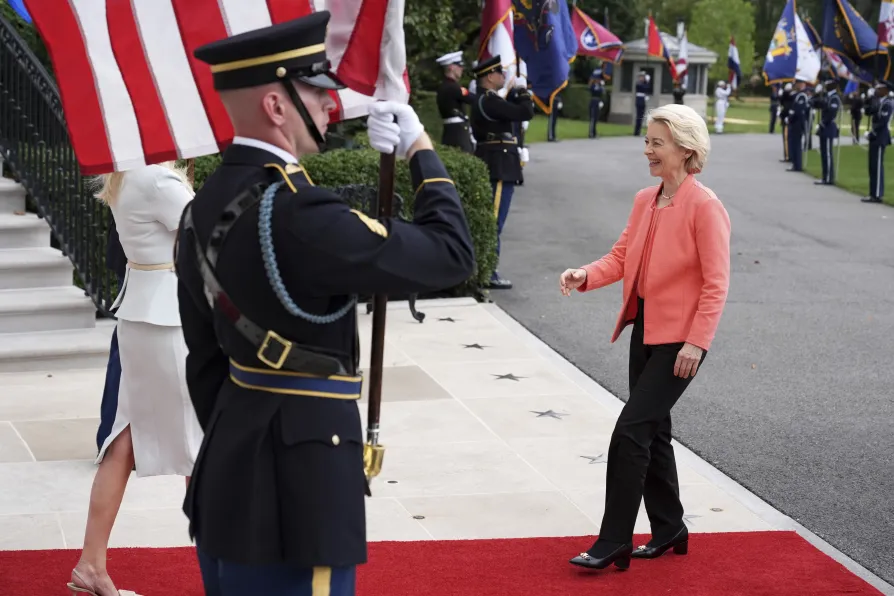
US tariffs have had Von der Leyen bowing in submission, while comments from the former European Central Bank leader call for more European political integration and less individual state sovereignty. All this adds up to more pain and austerity ahead, argues NICK WRIGHT