The Tories introduced the 50% strike ballot threshold to make industrial action harder. MATT WRACK argues that a Labour government has no justification for leaving it on the statute book


 Latest editorial
The US sends Germany into the fire
Even as some whispers of dissent emerge in the rest of Europe, Germany's increasingly zealous devotion to Washington's military ambitions is dragging the continent into all-out war, warns MARCEL CARTIER
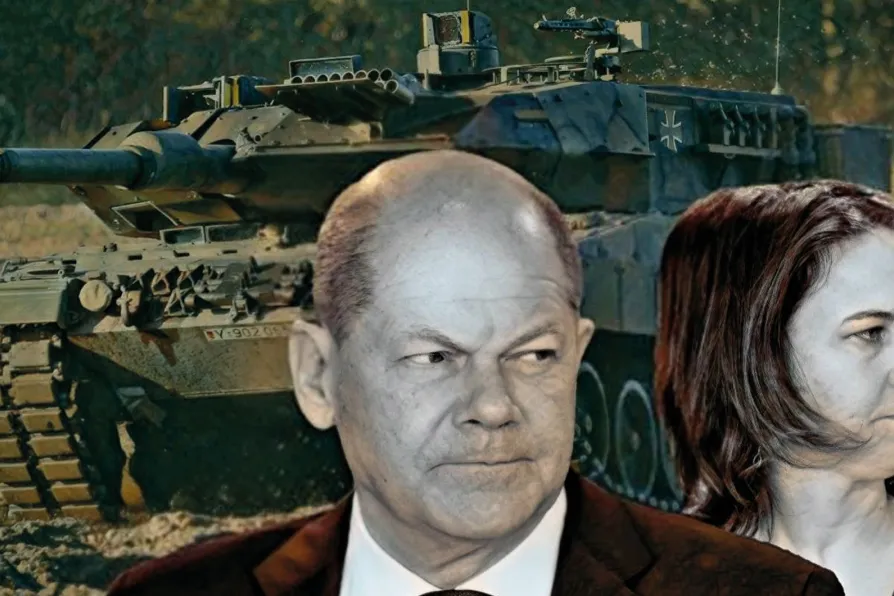 German Chancellor Olaf Scholz (left) and the Green Party Foreign Minister Annalena Baerbock, who has emerged as a leading 'hawk' eager to confront Russia militarily
In the wake of Ann Widdecombe’s murder, JOHN GREEN wonders whether the government will really get to grips with the root cause of these attacks on our MPs
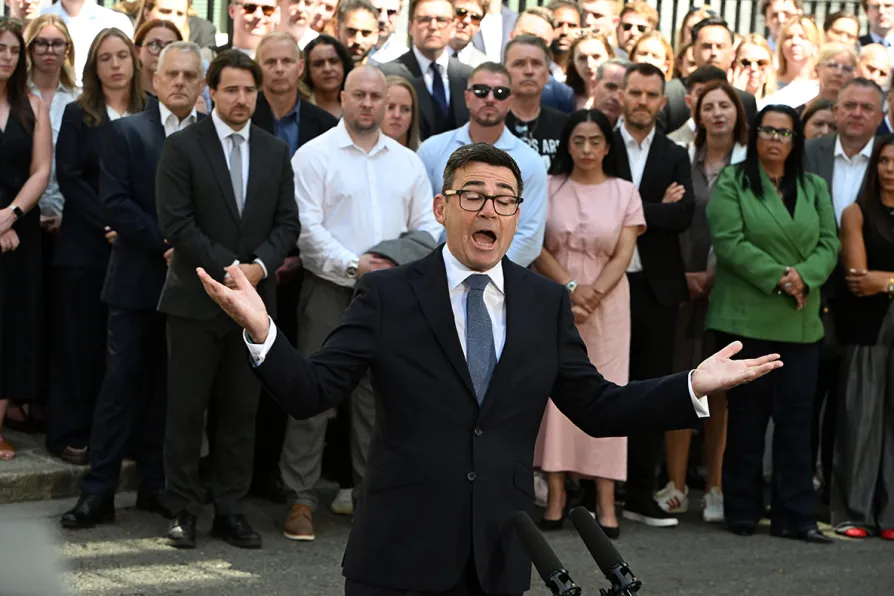
The new PM’s opening addresses offered hope, council homes and reform — but little detail on how any of it will be delivered, warns CLAUDIA WEBBE
Despite the screeching from the right-wing media, Burnham’s speech chimed with the public mood - and socialists should take advantage, says Morning Star editor BEN CHACKO
Scotland's Labour leader cannot continue to evade responsibility for the party's decline, argues LAUREN HARPER
Nature as well as society works dialectically, asserts the Marx Memorial Library and Workers’ School


IN 1984, a socialist activist from West Germany found himself in East Berlin sitting across from members of the DDR’s (East Germany’s) political leadership. The militant deputy chairman of the Young Socialists (Jusos), the youth wing of the SPD, was only 25.
He was known for supporting the Marxist tendency within Jusos, and would often rant about needing to not only overcome capitalism but of the need to dissolve “aggressive, imperialist” Nato.
Over the next several years, he would occasionally return to the DDR, including to participate in a protest for nuclear disarmament in 1987. That young activist for peace was Olaf Scholz: fast forward nearly three decades and he is now the Chancellor of a united Germany.

Similar stories
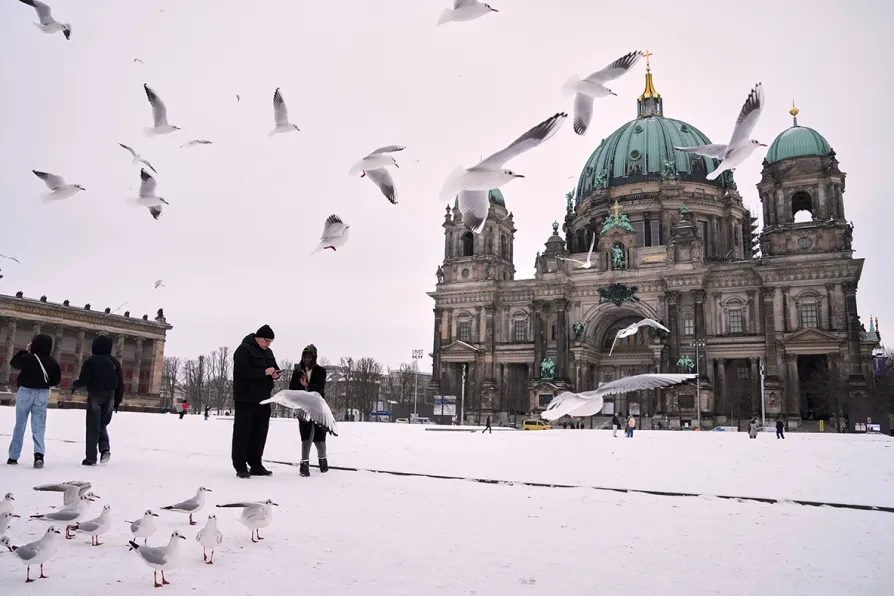
NICK WRIGHT returns to Berlin and finds a city in darkness and political turmoil
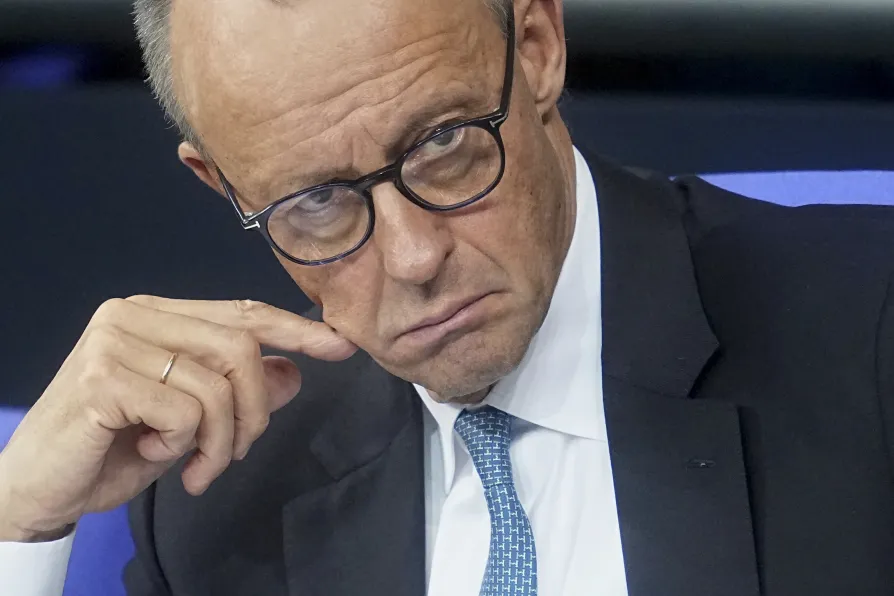
German Chancellor Friedrich Merz is pouring €11.5bn into the Kiev swamp, blocking Trump’s peace plan, and pushing Nato right up to Russia’s borders – no matter if it costs hundreds of thousands of lives, warns SEVIM DAGDELEN
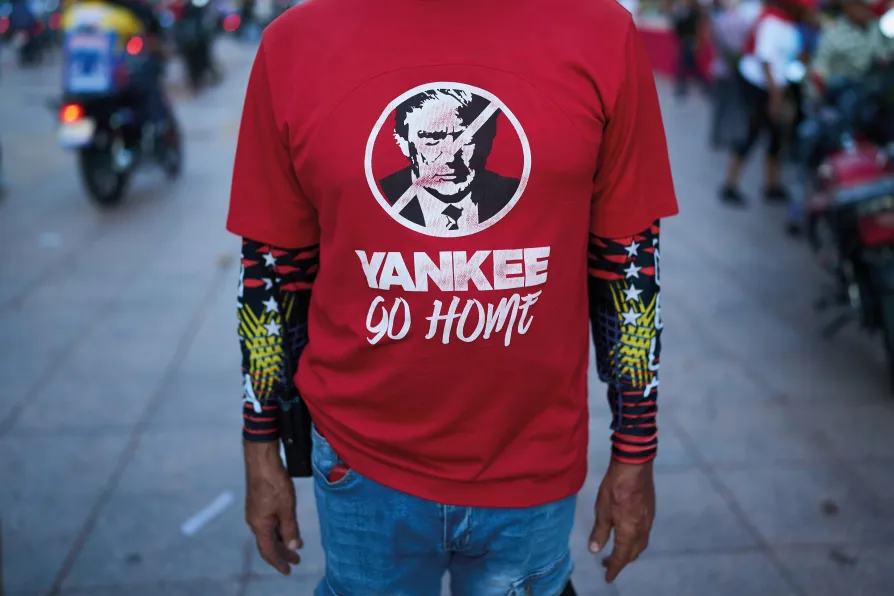
Western nations’ increasingly aggressive stance is not prompted by any increase in security threats against these countries — rather, it is caused by a desire to bring about regime changes against governments that pose a threat to the hegemony of imperialism, writes PRABHAT PATNAIK
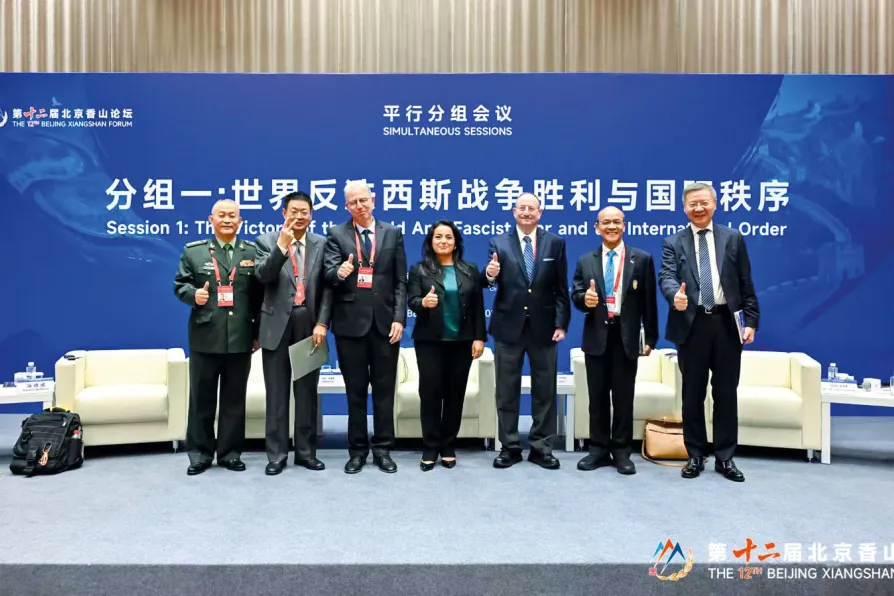
In a speech to the 12th Xiangshan Forum in Beijing, SEVIM DAGDELEN warns of a growing historical revisionism to whitewash Germany and Japan’s role in WWII as part of a return to a cold war strategy from the West — but multipolarity will win out