DOUGLAS FIELD relishes the hard-boiled language, satire and humour of the third and last of the Harlem trilogy


 Latest editorial
Required reading for the Labour party
GAVIN O’TOOLE recommends an insightful and grounded analysis of the market as a political tool of neoliberalism
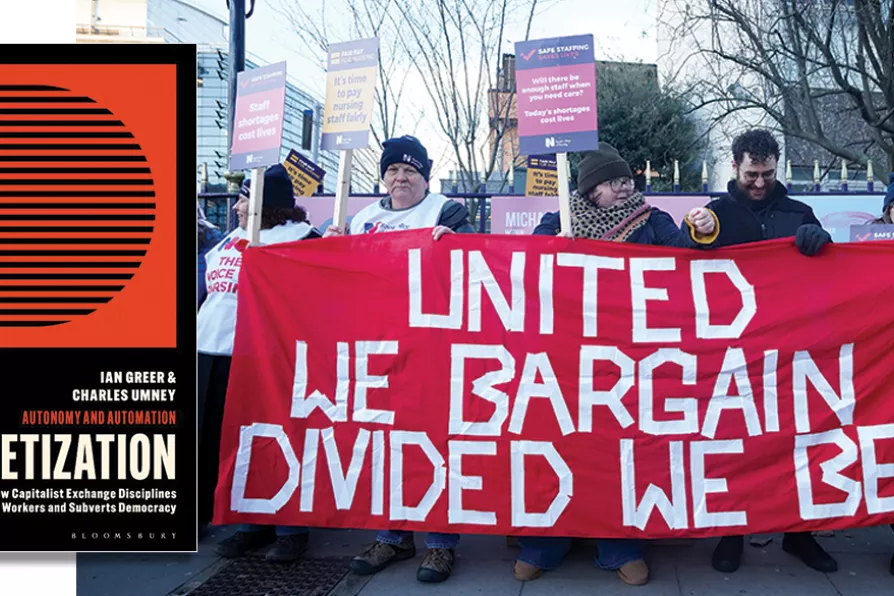 RED-LINE: Royal College of Nursing (RCN) pickets outside King's College Hospital, London, on January 18 2023

STEPHANIE BROWN draws attention to the hidden labour of the female embroiderers, and how a 19th century replica made no such error
MIK SABIERS revels in a band that ploughs an idiosyncratic furrow of expletive laden, guitar-driven alt rock
ANDY HEDGECOCK, MARIA DUARTE and ANGUS REID review Synthetic Sincerity, Our Hero, Balthazar, Heartstopper Forever, and A Year In London
The bard invites readers to a gig, raps for Clacton, and lays out the Burnham-Hurzeler conundrum
RON JACOBS recommends an important book that enhances the oppositional theories put forth by Fanon and, in doing so, remakes psychology itself


Marketization: How Capitalist Exchange Disciplines Workers and Subverts Democracy
Ian Greer and Charles Umney
Bloomsbury £12.99
POOR pay may be the immediate catalyst for the strikes gripping the NHS but it is clear that nurses and ambulance staff are in the vanguard of a broader struggle to save universal healthcare from creeping marketisation.
The introduction of market mechanisms over decades underpins the new militancy of organisations such as the Royal College of Nurses alongside other unions who are fighting not just to improve their conditions but also to ensure quality services and safety.

Similar stories

Can Andy Burnham’s programme deliver a productive economy – or merely a softer version of capitalism, asks VINCE MILLS
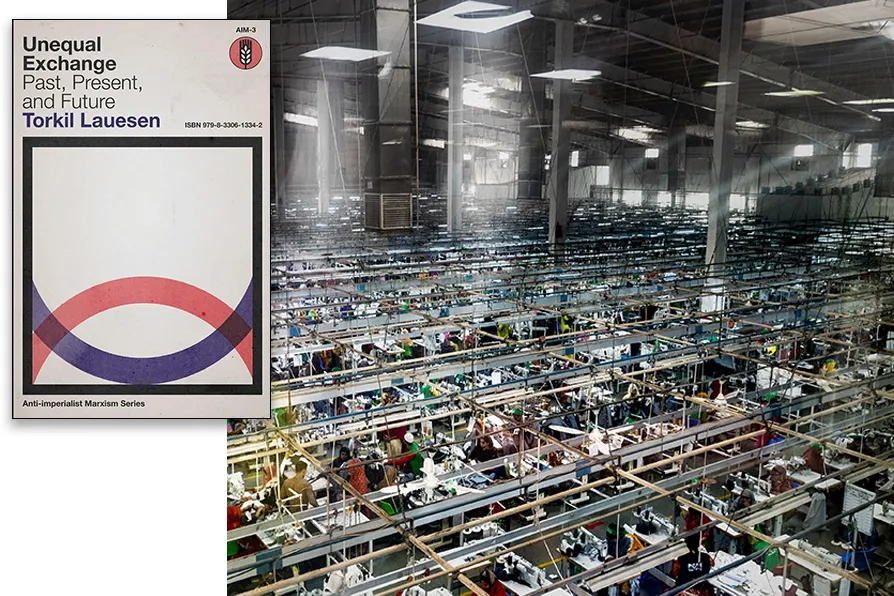
MARTIN GRAHAM welcomes, with reservations, a scholarly addition to the unfinished business of understanding how capital works on a world scale

GAVIN O’TOOLE welcomes, and recommends a a candid, evidence-based record of Britain’s role in the slaughter visited by Israel upon the Palestinians
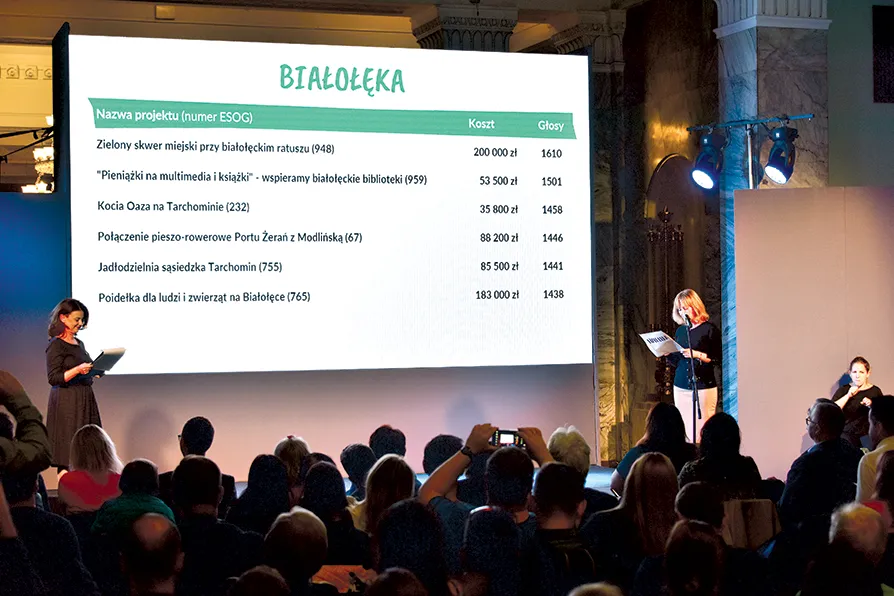
DAVID MATTHEWS looks at what a collective future for welfare might have in store for us