

 Latest editorial
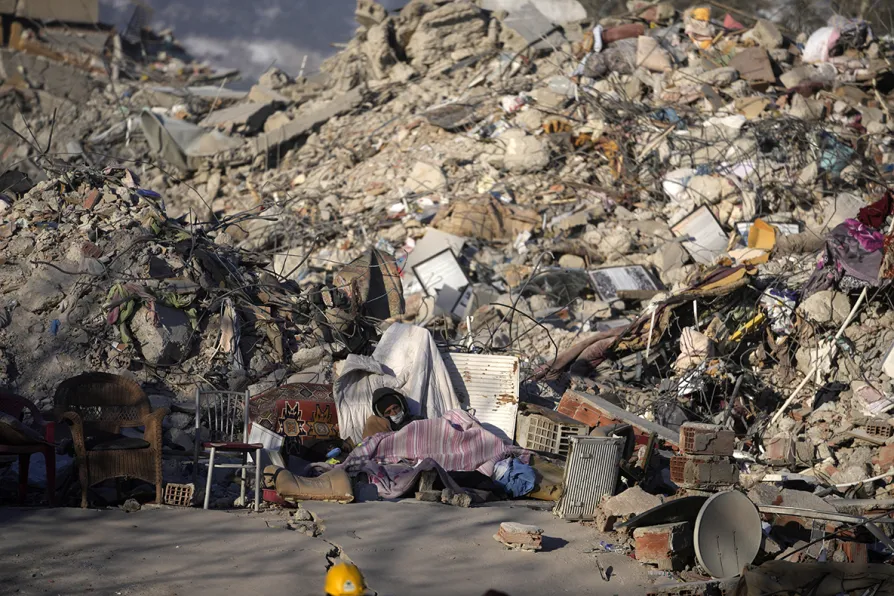 A man sleeps in front of a destroyed building in Kahramanmaras, southeastern Turkey, Monday, February 13, 2023
Waiting for the grander vision to emerge


THE death toll from the catastrophic earthquake that hit Turkey and Syria over a week ago continues to rise, while governments trade blame over the difficulty of getting humanitarian aid to affected areas.
The plight of residents in north-west Syria’s Idlib governorate is particularly grim, with clashes over the delivery of aid to a region still ruled by jihadist rebels.
Damascus’s call for an end to Western sanctions has prompted the usual deluge of misinformation about the nature of US-imposed sanctions regimes.
Bashar al-Assad is just posturing to deflect criticism over his own obstruction of aid deliveries into rebel areas, we hear. The US has relaxed sanctions relating to earthquake relief. In any case sanctions do not apply to “humanitarian” aid.
In a particularly skewed Observer editorial, ultimate blame is assigned to Moscow because without its intervention the entire Assad regime would have fallen and therefore the issue of a divided Syria would not arise.
That Russian intervention was a crucial factor in Assad’s survival is true enough, though it is equally true that had Syrian rebels not been assisted by the US, Saudi Arabia and Turkey the Syrian government would probably have beaten them on its own.
The Observer’s apparent assumption that a rebel victory would have resolved Syria’s troubles ignores the ideology of those rebels (the most powerful groups being Islamic State and al-Qaida affiliates, with an appalling record of torture and murder of Shia and Alawite Muslims, Christians, gay people and political opponents in areas they controlled) and the horrendous experience of countries where the US camp did help such groups to triumph, notably Libya.
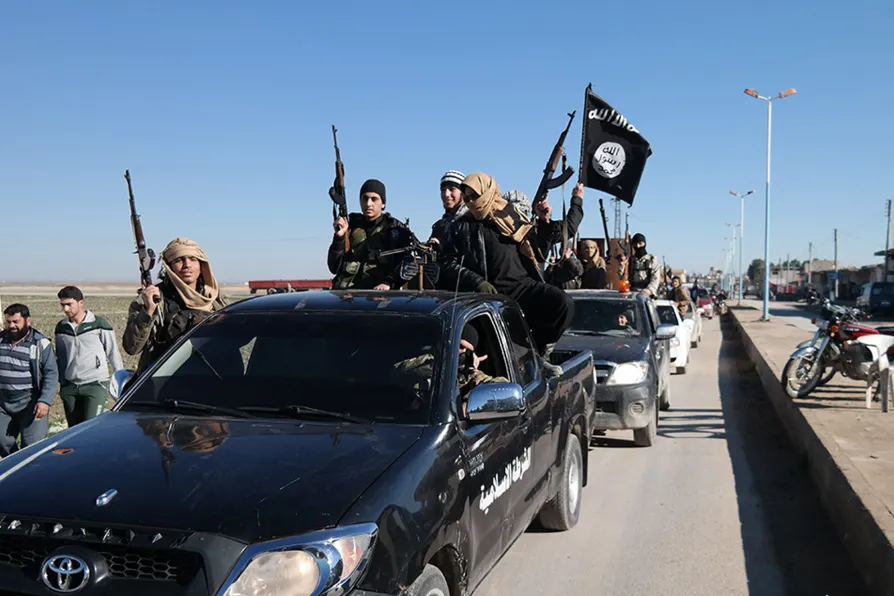
Indeed, Idlib is still dominated by Tahrir al-Sham, a coalition of extreme jihadists whose founding members include the al-Nusra Front and Nour al-Din al-Zinki, which shot to fame in 2016 for beheading a 10-year-old child.
Counterfactual speculation about whether earthquake relief would be easier had the Syrian war’s outcome been different is less relevant than a clear understanding of the inhumanity of current sanctions.
Claims that “humanitarian aid” is exempt are made each time the US imposes its unilateral sanctions on other countries.
Former secretary of state Madeleine Albright was at least more honest when she described the half a million child deaths caused by US sanctions on Saddam Hussein’s Iraq as a “price worth paying” to weaken his regime.
US sanctions have crippled healthcare systems in Iran and Venezuela, leading to tens of thousands of deaths.
They were tightened, not loosened, during the global pandemic, when the US even blocked a Chinese shipment of medicines and protective equipment to Cuba in an act of blatant piracy.
And no wonder. The purpose of sanctions is to undermine governments by making ordinary people suffer — to “make the economy scream” as a step towards regime change, as the Nixon administration vowed to do to Salvador Allende’s Chile.
Sanctions on Syria have caused shortages of medicines used to treat conditions including diabetes and heart disease. Former Syrian health official Dr Rajwa Jbeili has detailed how sanctions have prevented import of vials, ampoules and chemicals used in manufacturing medicines, and how foreign companies fearful of US retaliation refuse to trade with the country to play it safe, even where transactions are technically not subject to sanctions.
The left needs to take a consistent stance against sanctions as a foreign policy tool. Their victims are never the government officials who are supposedly targeted but always ordinary people.
Disasters like the Turkish-Syrian earthquake should highlight that to us all. Washington has no right to dictate who can trade with who, and certainly no right to deprive people of food and medicine because it disapproves of their governments.
Sanctions on Syria should be lifted — as should those imposed on all the other countries the US has decided should be punished in this way.

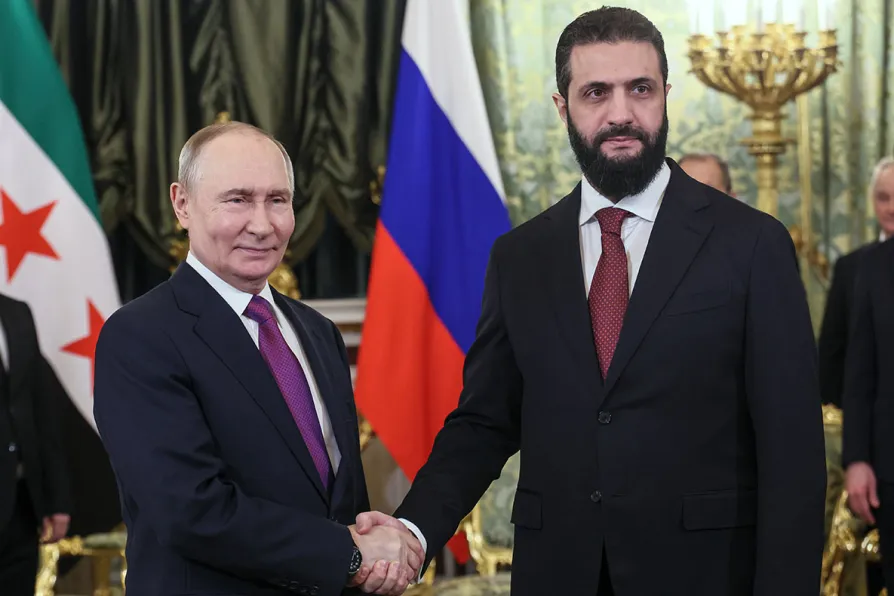
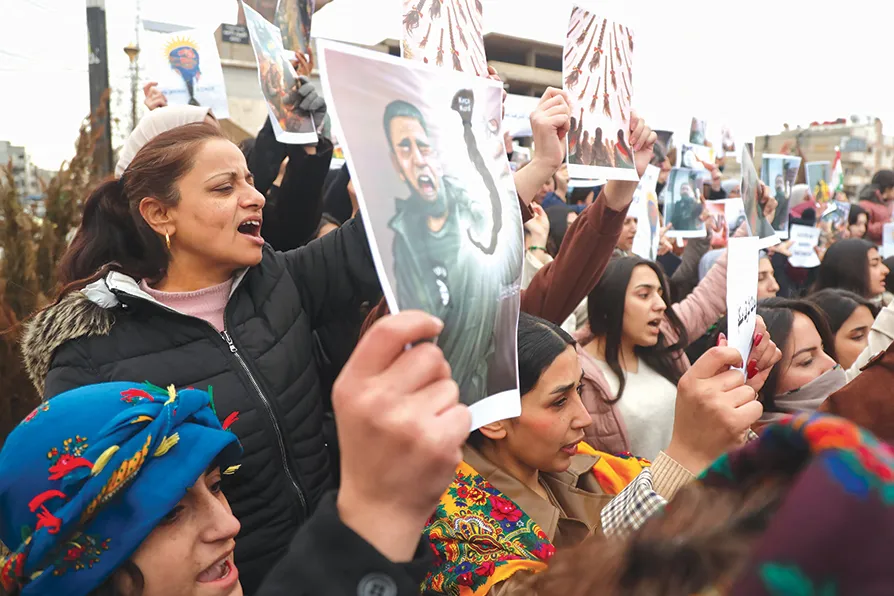
VIJAY PRASHAD details how US support for Syrian President Ahmad al-Sharaa allowed him to break the resistance of the autonomous Syrian Democratic Forces (SDF)
VIJAY PRASHAD looks at the web of militias and drug-trafficking gangs that emerged in the Sweida region through the Syrian civil war, and how they relate to recent clashes and Israel’s intervention