In the wake of Ann Widdecombe’s murder, JOHN GREEN wonders whether the government will really get to grips with the root cause of these attacks on our MPs


 Latest editorial
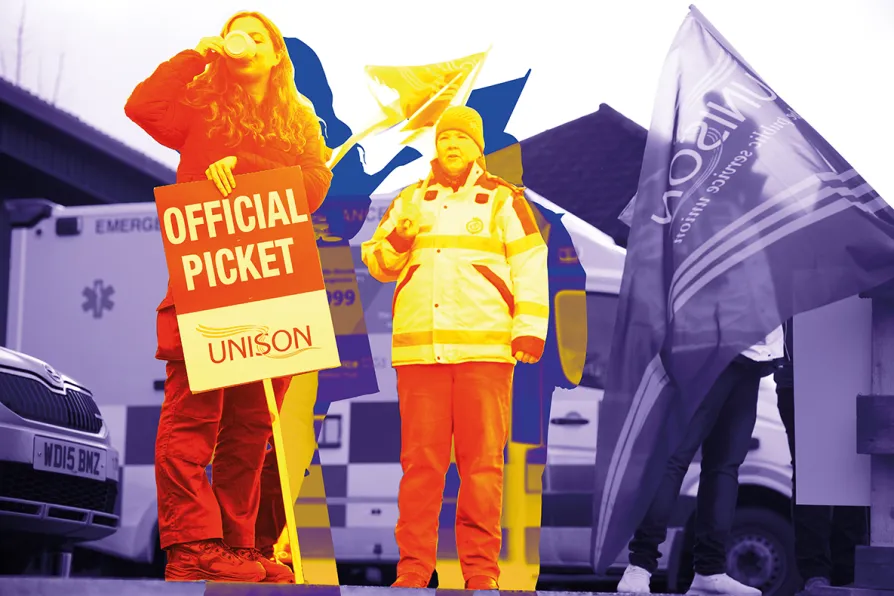
The minimum service levels Bill – why we should all be furious
The government’s planned legislation is contemptuous of parliamentary democracy and an affront to human rights, warn Prof KEITH EWING and Lord JOHN HENDY KC
Despite the screeching from the right-wing media, Burnham’s speech chimed with the public mood - and socialists should take advantage, says Morning Star editor BEN CHACKO
Nature as well as society works dialectically, asserts the Marx Memorial Library and Workers’ School
Rising temperatures and human activity are making life far harder for these vital pollinators. ALEX DITTRICH explains
Lesbians and Gays Support the Miners co-founder MIKE JACKSON talks to Matt Kerr about the enduring power of Pride, protest and trade unionism
Behind the language of military strategy is a confrontation that risks drawing the wider Middle East into war, says STEVE BISHOP


THE Strikes (Minimum Service Levels) Bill is extraordinary for the power it gives to the government to deny to workers what is universally regarded as a fundamental human right.
The Bill will apply to strikes in six sectors: health services, fire and rescue services, education services, transport services, nuclear decommissioning, and border security.
These are the six services identified in the Tories’ Trade Union Act 2016 which required strike mandates in these services to have the support of at least 40 per cent of those eligible to vote as well as a majority of those voting.

Similar stories
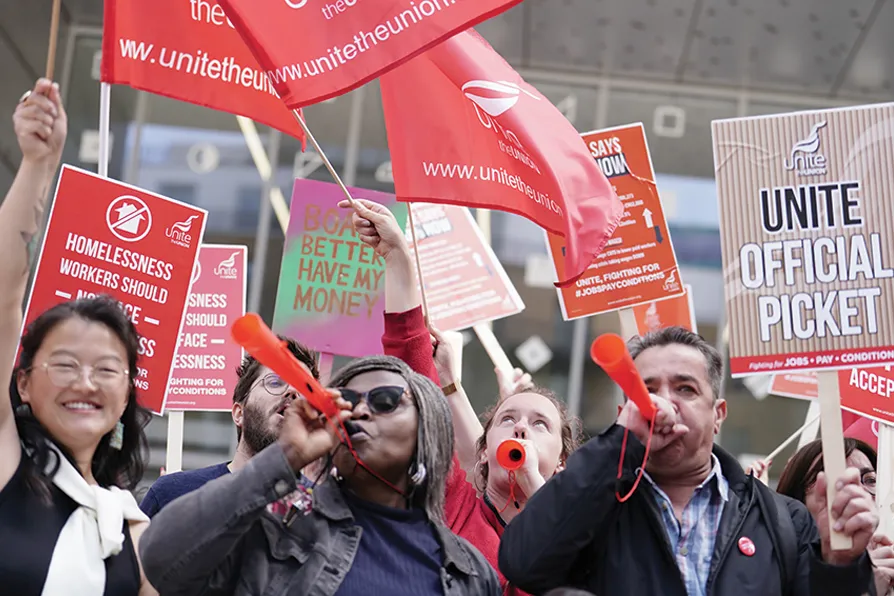
The unions are unhappy with the Employment Rights Act 2025 and with good reason. KEITH EWING and Lord JOHN HENDY KC take a close look at why the Bill promised more than it delivered

Four decades on, the Wapping dispute stands as both a heroic act of resistance and a decisive moment in the long campaign to break trade union power. Lord JOHN HENDY KC looks back on the events of 1986
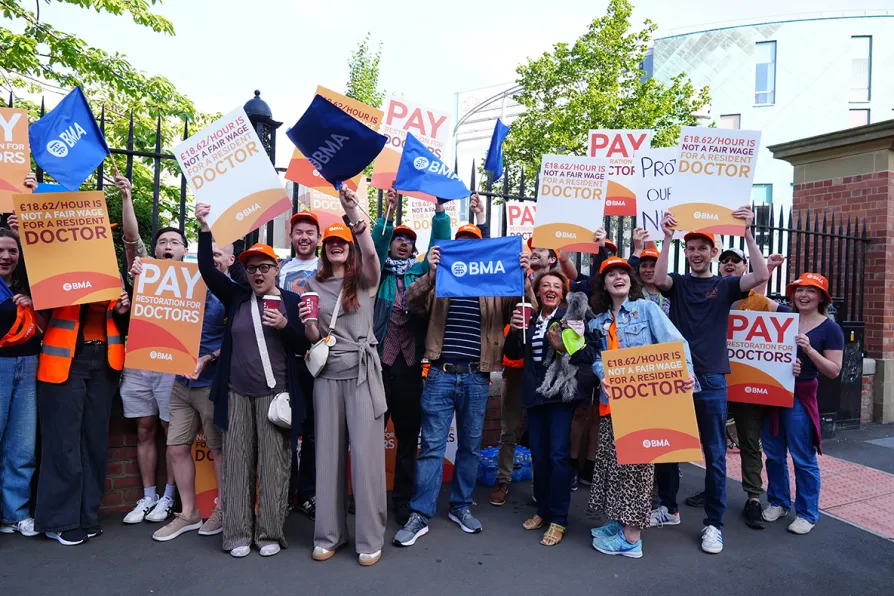
Labour’s watered-down legislation won’t protect us from unfair dismissal or ban some zero-hours contracts until 2027 — leaving millions of young people vulnerable to the populist right’s appeal, warns TUC young workers chair FRASER MCGUIRE
Labour must not allow unelected members of the upper house to erode a single provision of the Employment Rights Bill, argues ANDY MCDONALD MP