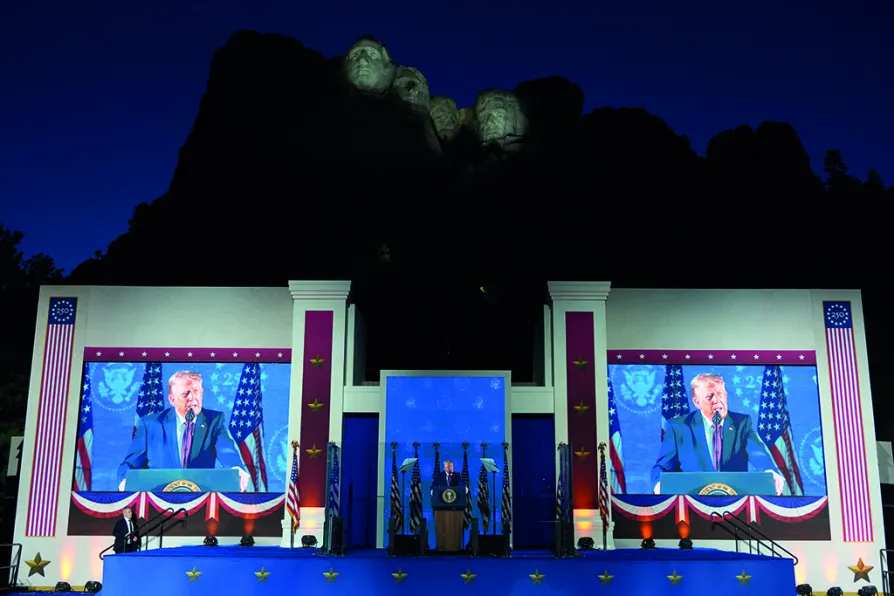
CJ ATKINS takes a closer look at Trump’s recent spate of red-baiting speeches and asks why the authoritarian president is running scared


Global majority leads the way on nuclear disarmament: time to reflect that reality here
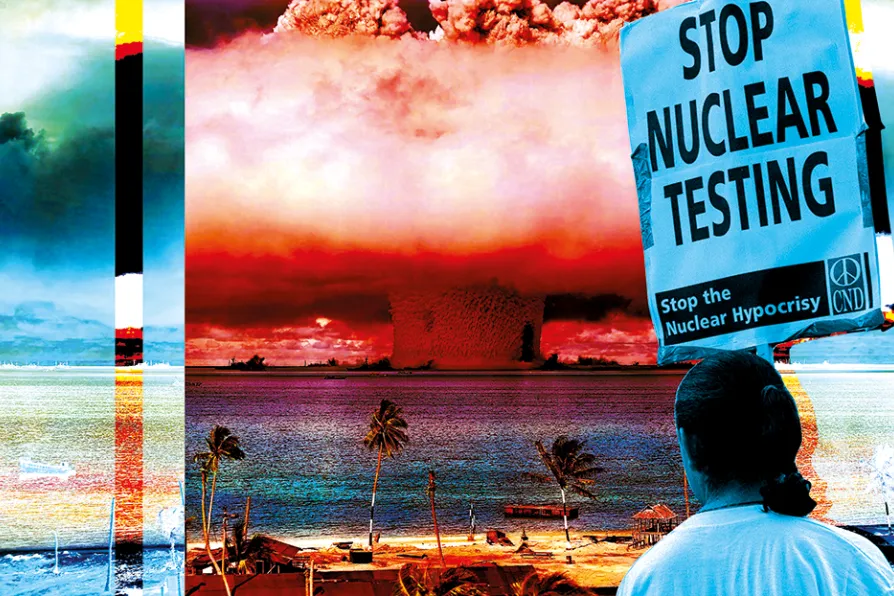
It is the South that has forged the path towards banning the bomb, and people of colour who have paid the greatest price from nuclear testing, writes RACHEL EARLINGTON, of CND

JOHN McINALLY sees little chance of change at Westminster, and calls on the left to get serious about building a real alternative
With the centenary of the UN Slavery Convention upon us, ROGER McKENZIE argues much needs to be done to rid us of all its contemporary manifestations
SEVIM DAGDELEN says European Nato states are escalating ever closer to direct conflict with a nuclear power, and sacrificing welfare states built up over a century to finance it
CLAUDIA WEBBE says the horrific price British patients will pay for this NHS deal is now clear — and there’s time to get out of it, if MPs will only force the issue
KENNY MacASKILL says the lines between party, government and Civil Service in Scotland have been blurred and we need a thorough investigation into how


IN THE fight for global nuclear disarmament — which has never been more necessary — it is important that our movement mobilises and unifies all sections of society, together with the international community that overwhelmingly wants peace and disarmament.
Whether through the nuclear Non-Proliferation Treaty (NPT), the Treaty on the Prohibition of Nuclear Weapons (TPNW), or nuclear weapons-free zones, it’s the states and peoples of the global South who have created the treaty architecture for a nuclear weapons-free world.
It’s high time that states — and movements — from the global North recognise that and put the communities most affected front and centre of their campaigns and priorities.

Similar stories
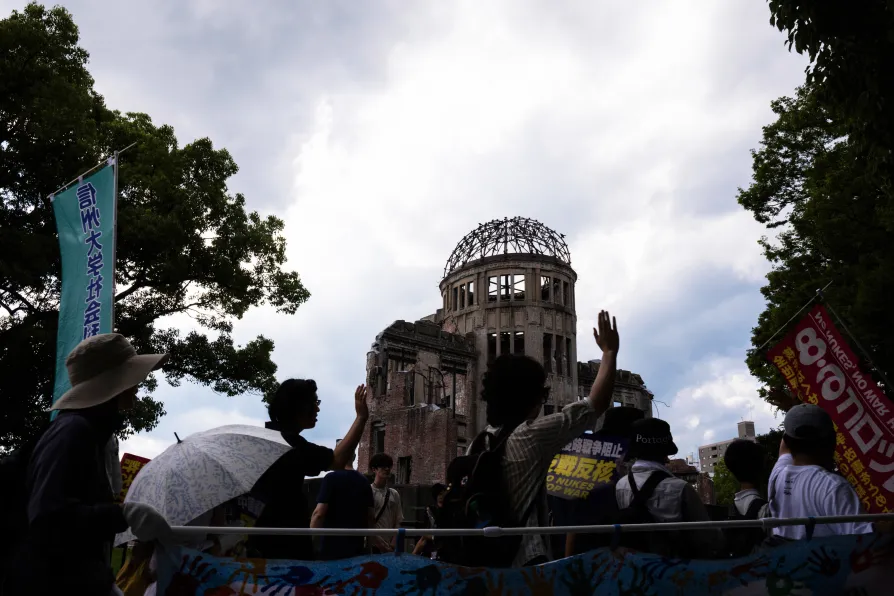
For 80 years, survivors of the Hiroshima and Nagasaki atomic bombings have pleaded “never again,” for anyone. But are we listening, asks Linda Pentz Gunter
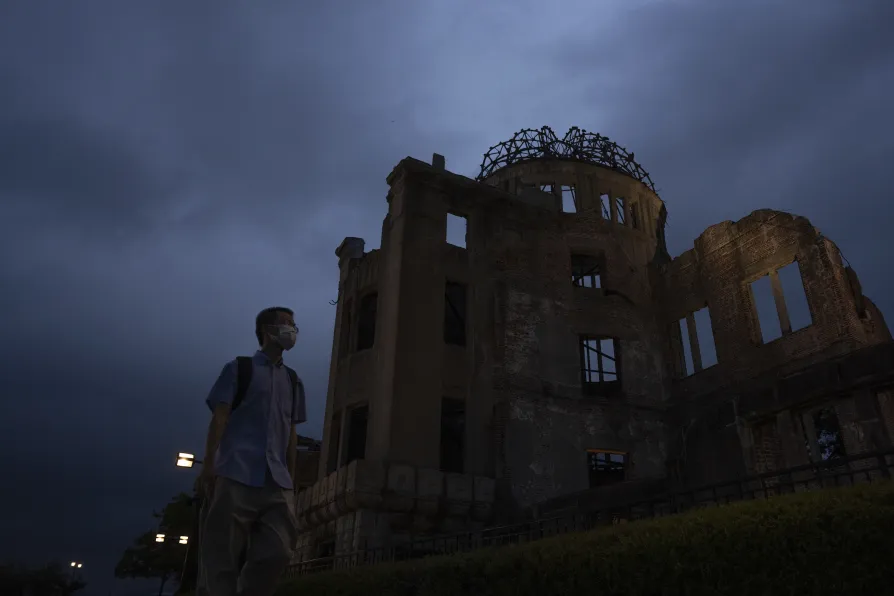

JEREMY CORBYN reports from Hiroshima where he represented CND at the 80th anniversary of the bombing of the city by the US
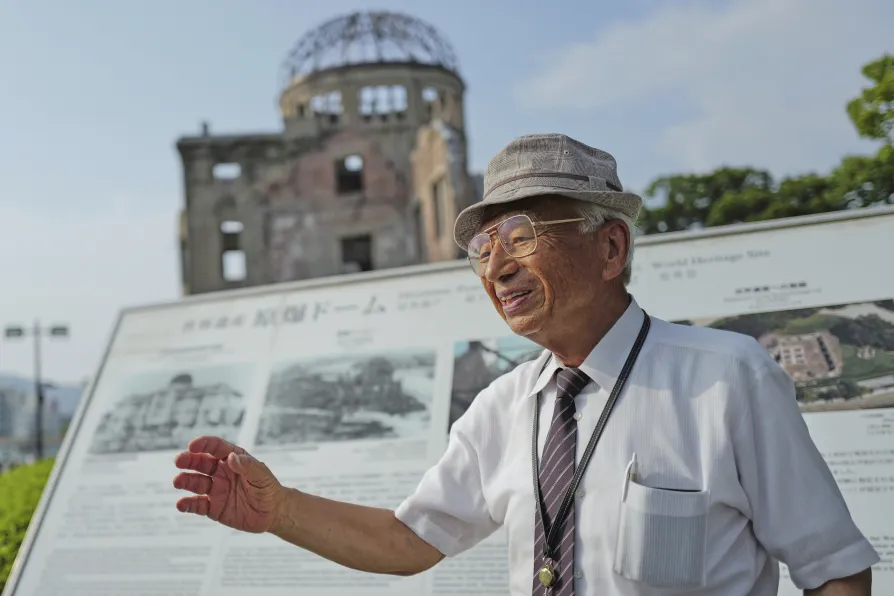
Ageing survivors of the Hiroshima and Nagasaki atomic bombings are increasingly frustrated by growing nuclear threats by global leaders