

 Latest editorial
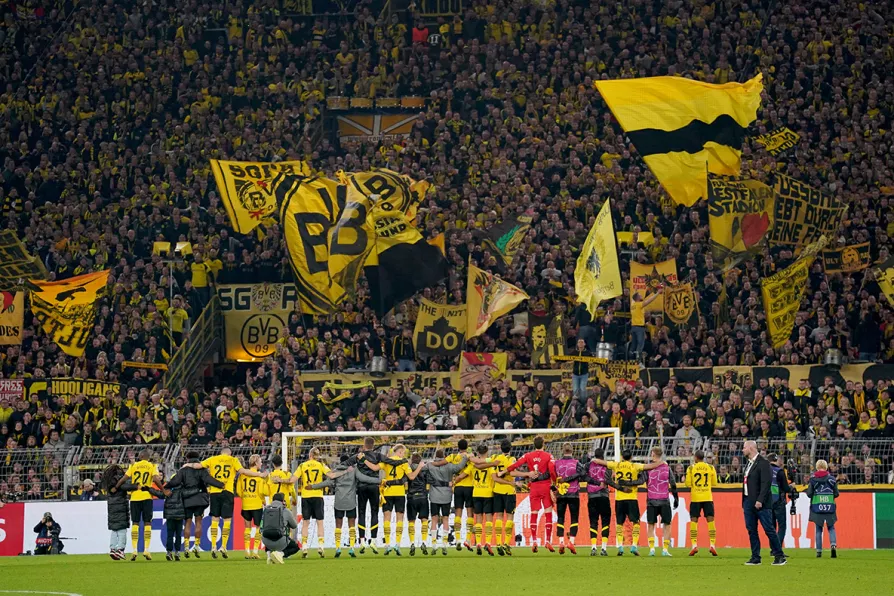 Borussia Dortmund players celebrate with fans after holding Man City to a draw this week. As a German football club, the fans own 51% of the club’s shares and have a greater say in the wat it is run


“NOTHING succeeds like success,” the old proverb goes, and that is certainly the case on Tyneside, where the fans of Newcastle United were only too glad to welcome the Saudi Arabian conglomerate who took over “their” club in October 2021.
Backed by a public investment fund worth hundreds of billions of dollars, the new owner’s immense wealth enabled Newcastle supporters to dream of a bright new future for their team, based on the acquisition of expensive, top-quality players who would have previously been out of their price range.
On August 21 of this year, Newcastle participated in the first “Gulf Derby” against Manchester City who are owned by the United Arab Emirates Deputy Prime Minister Sheik Mansour, whose net worth has been estimated at $21 billion (£18.2bn).

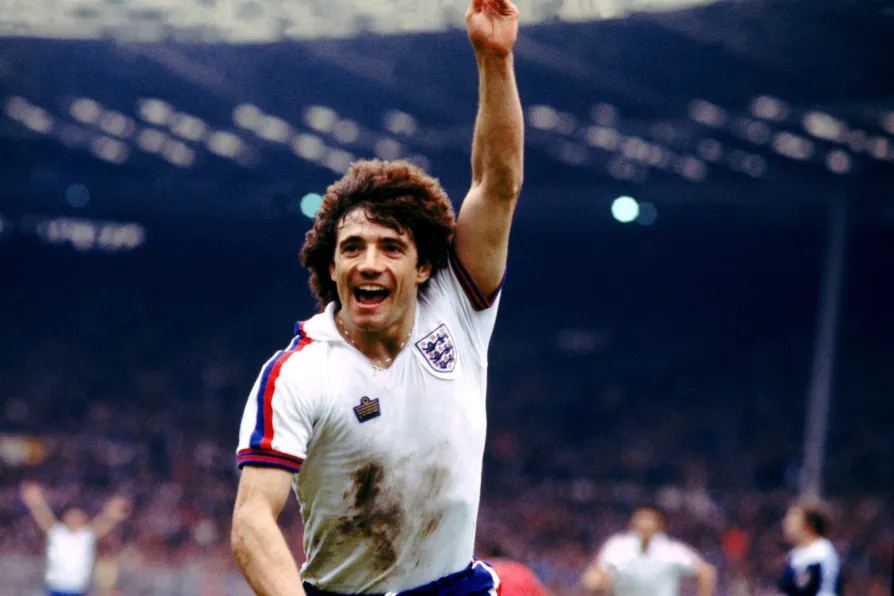
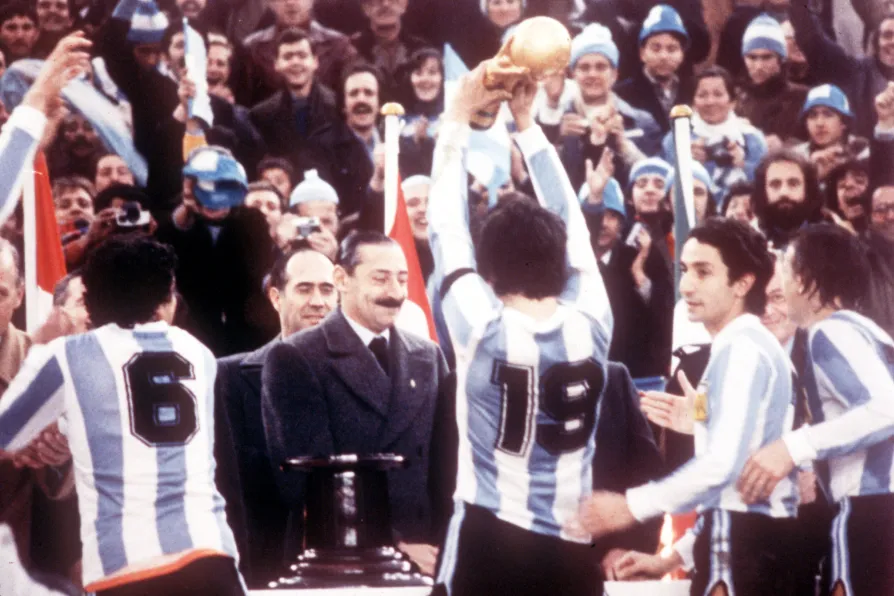
Football may not solve the working class’s problems, but it does matter — and politicians know it, writes BERT SHOUWENBURG
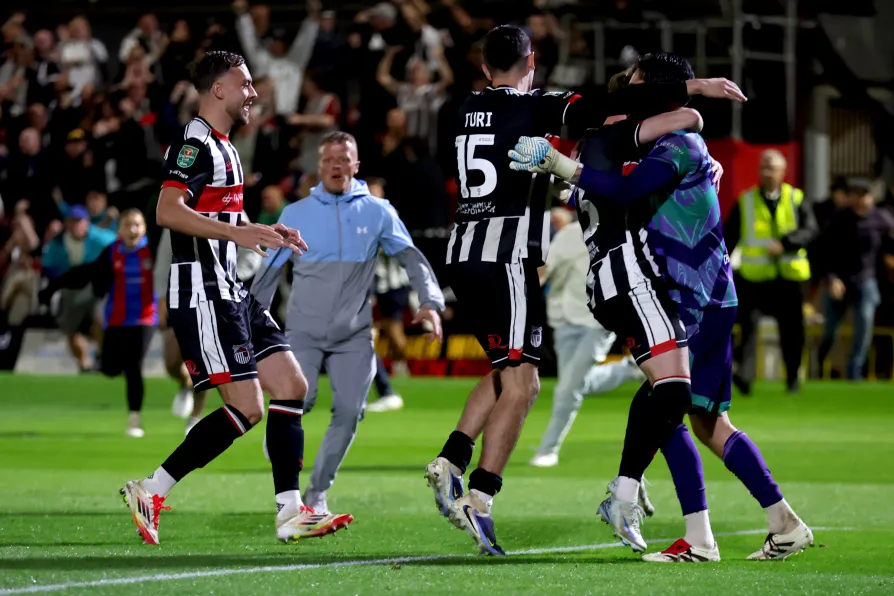
As football grapples with overloaded calendars and commercial pressure, the Mariners’ triumph reminds us why the game’s soul lives far from the spotlight, writes JAMES NALTON