The Tories introduced the 50% strike ballot threshold to make industrial action harder. MATT WRACK argues that a Labour government has no justification for leaving it on the statute book


 Latest editorial
The shocking inside story of the Shrewsbury pickets
Author and Shrewsbury 24 Campaign researcher EILEEN TURNBULL speaks to Ben Chacko about the lessons learned from the framing of the 24 pickets and the long fight to clear their names ahead of today’s launch of her new book at TUC Congress
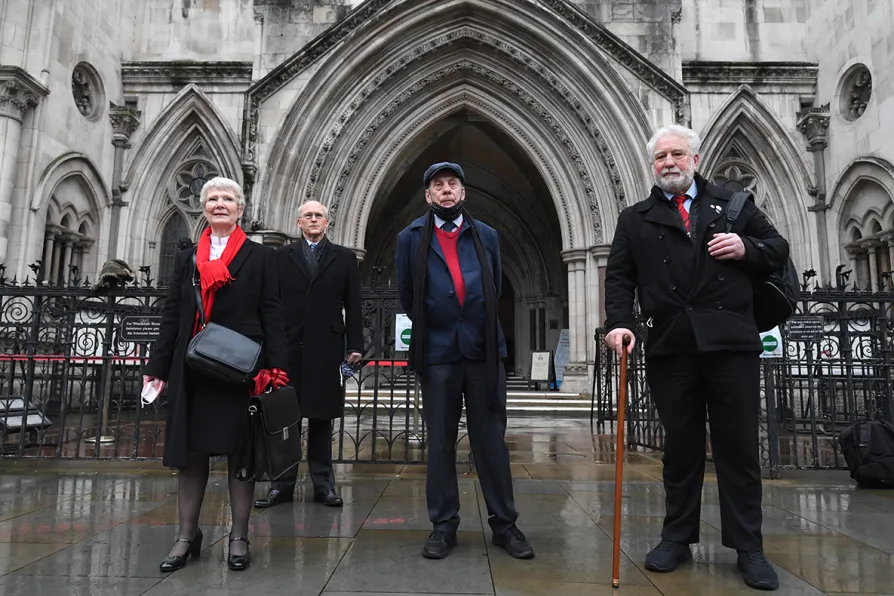 (Left to right) Eileen Turnbull, Mark Turnbull, Harry Chadwick and Terry Renshaw, outside the The Royal Courts Of Justice, London, ahead of a hearing in the Court of Appeal for the so-called "Shrewsbury 24”
In the wake of Ann Widdecombe’s murder, JOHN GREEN wonders whether the government will really get to grips with the root cause of these attacks on our MPs
The new PM’s opening addresses offered hope, council homes and reform — but little detail on how any of it will be delivered, warns CLAUDIA WEBBE
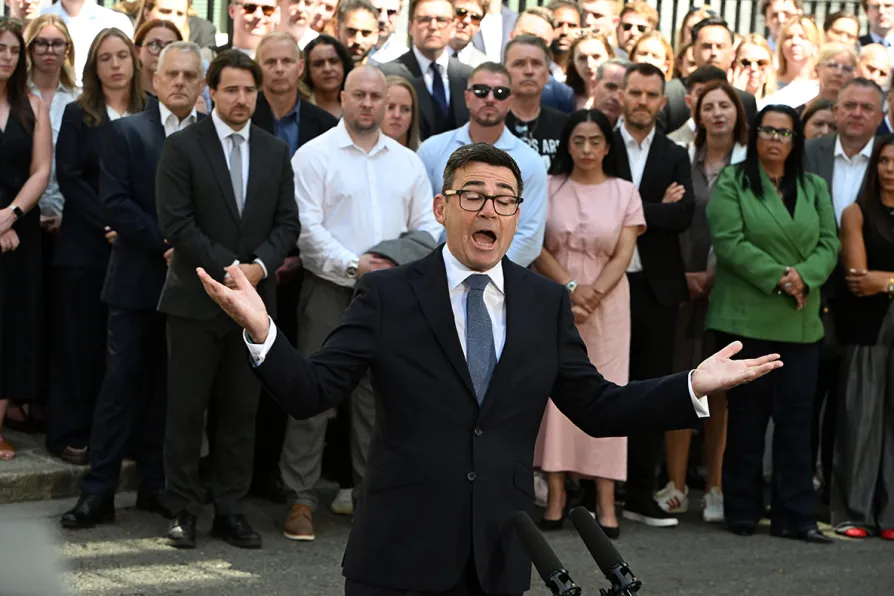
Despite the screeching from the right-wing media, Burnham’s speech chimed with the public mood - and socialists should take advantage, says Morning Star editor BEN CHACKO
Scotland's Labour leader cannot continue to evade responsibility for the party's decline, argues LAUREN HARPER
Nature as well as society works dialectically, asserts the Marx Memorial Library and Workers’ School


THE narrative around the events of “the fateful day,” September 6 1972, is striking in that nothing unusual seems to have happened — no arrests, no complaints by police, a normal day’s picketing. Months later the Shrewsbury pickets were prosecuted.
Do you think the pickets were chosen largely at random — the government decided an example needed to be made to intimidate pickets and unions, and picked on the building workers concerned?
There was nothing random about this case. The documents for this period at Kew show that the government was seriously worried about the power and confidence of trade unionists that was shown in the many strikes in 1972.
The building industry employers were closely connected to the Tories and their profits were threatened by the growth of trade unionism.
They demanded action. North Wales pickets were targeted because they were more isolated, over a semi-rural area, not in one of the industrial conurbations like Merseyside, the West Midlands or West Yorkshire, where trade unionism was stronger.

Similar stories
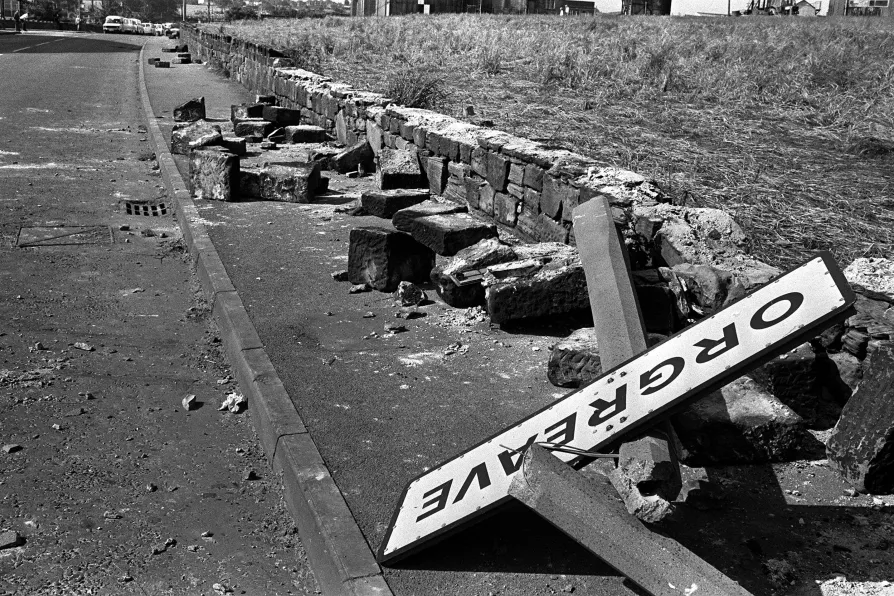
The public inquiry is the result of more than a decade of determined campaigning. Now, those who fought for justice want the full story of government involvement and police conduct to be told, says KATE FLANNERY
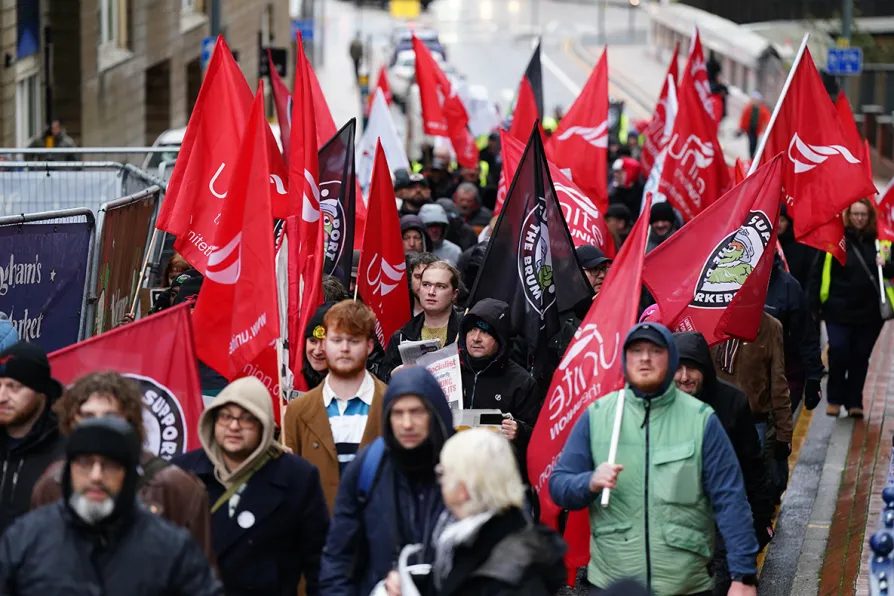
Megapicket to shut down Birmingham’s refuse sites
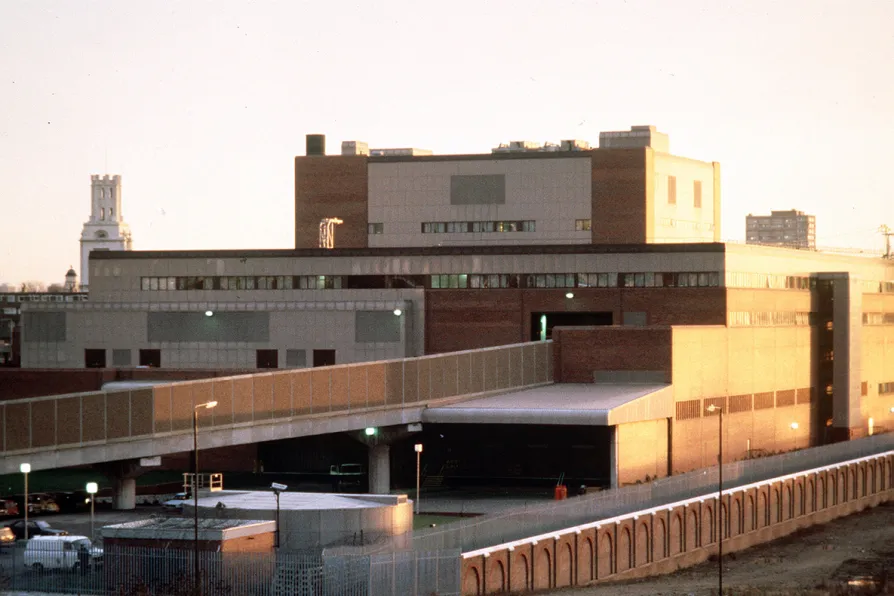
Forty years on, TONY DUBBINS revisits the Wapping dispute to argue that Murdoch’s real aim was union-busting – enabled by Thatcherite laws, police violence, compliant unions and a complicit media

In part II of a serialisation of his new book, JOHN McINALLY explores how witch-hunting drives took hold in the Civil Service as the cold war emerged in the wake of WWII