

 Latest editorial
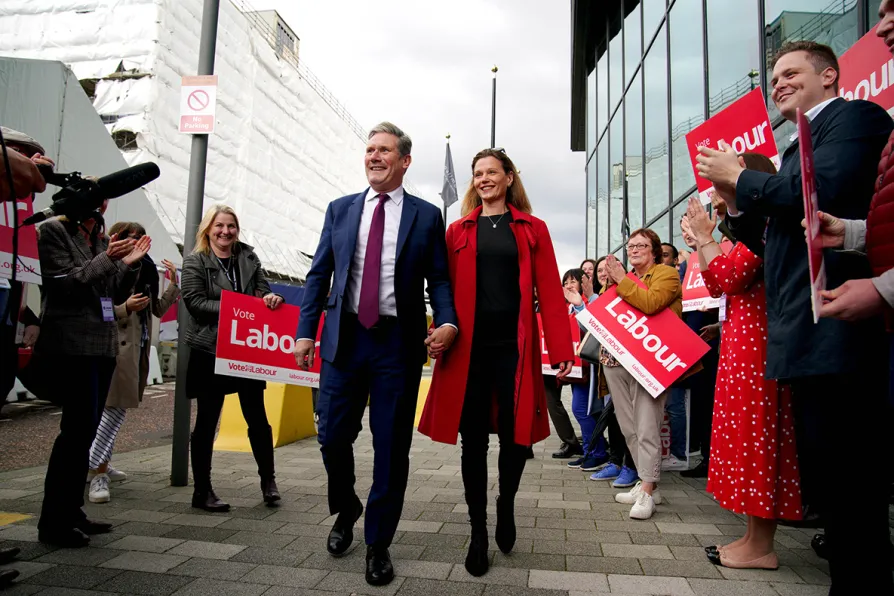 Labour party leader Sir Keir Starmer and his wife Victoria, are greeted by party supporters as they arrive at the Pullman Liverpool, ahead of the start of the Labour Party Conference in Liverpool.
Waiting for the grander vision to emerge


THE protest by black Labour members angered by Keir Starmer’s indifference to the racism exposed in the Forde report is pregnant with problems for the party.
It is unlikely to get much media coverage — though any such protest would have been guaranteed airtime had it been directed against Jeremy Corbyn’s Labour.
Starmer wants the message conveyed by the first day of conference to be one of unquestioning loyalty to the British state — hence the stage-managed opening tribute to the late queen (mostly a reprise of the banalities he delivered in Parliament after her death) followed by a rendition of God Save the King.
He may get his wish: again unlike Corbyn, he is dealing with a sympathetic mainstream media.
But a lack of media scrutiny does not mean nobody is noticing the hypocrisies and evasions of Labour’s restoration regime. Currents of opinion flow and grow across communities under the radar of the London press.
That at least is clear from the repeated shocks delivered to a complacent Establishment over the past decade, wrongfooting a political class that did not see Brexit coming, did not see Corbyn coming and is currently baffled by the warm reception given to striking trade unionists.
Tony Blair felt confident offering nothing to areas that had suffered deindustrialisation under Thatcher on the grounds their voters had nowhere to go.
It took several elections for the resulting vote haemorrhage to translate to actual lost seats: but inevitably it did, first in Scotland in 2015 and then across much of England four years later.
Labour now risks permanently alienating another constituency it has long taken for granted: ethnic minorities.
It is a bad time to turn a deaf ear to black protest. The Black Lives Matter movement that swept the world following the police murder of George Floyd in the United States has sparked serious debate about institutional racism and the legacy of slavery and colonialism.
To casually dismiss a report exposing appalling racist attitudes in the Labour HQ, after years of megaphone outrage over allegations that the party was anti-semitic, sends a message that to Labour some racisms are more important than others.
The message may not be strictly accurate — Starmer has after all allowed the suspension of the only elected Jewish member of Labour’s national executive, Naomi Wimborne-Idrissi, and the differing approach has more to do with politics than belief. He cares about allegations of racism if they can be deployed to attack socialists; he is indifferent to them otherwise.
But it will fester nonetheless, especially when combined with the performative flags-and-battleship patriotism that has become his signature style, one which sits uneasily with growing awareness of the crimes of empire.
Former Corbyn aide James Schneider has written of the party after 2015 being “porous to movements”: connected and responsive to emerging campaigns like Extinction Rebellion, a party through which grassroots struggles could hope to act in the political arena.
Starmer’s entire project aims at sealing Labour off from such movements: restoring unquestioned parliamentary control and denying a role to community activism of any kind.
It does so with a reckless disregard for the long-term consequences for its reputation among once loyal supporters, as we saw during the Batley & Spen by-election when party officials briefed that declining support among Muslims was down to Starmer’s opposition to anti-semitism — an outrageous slur against a community that has overwhelmingly voted Labour historically.
Failing to address black anger at the Forde report revelations will have a similar effect. Labour should look out. The Westminster consensus Starmer is trying to restore looks increasingly isolated.
His haughty refusal to engage either with community activists or striking workers is draining reservoirs of Labour support.
Like the “red wall” voters before them, black and Muslim voters are increasingly alienated from the party. There is no guarantee, once gone, that they will ever come back.


JOHN McINALLY sees little chance of change at Westminster, and calls on the left to get serious about building a real alternative
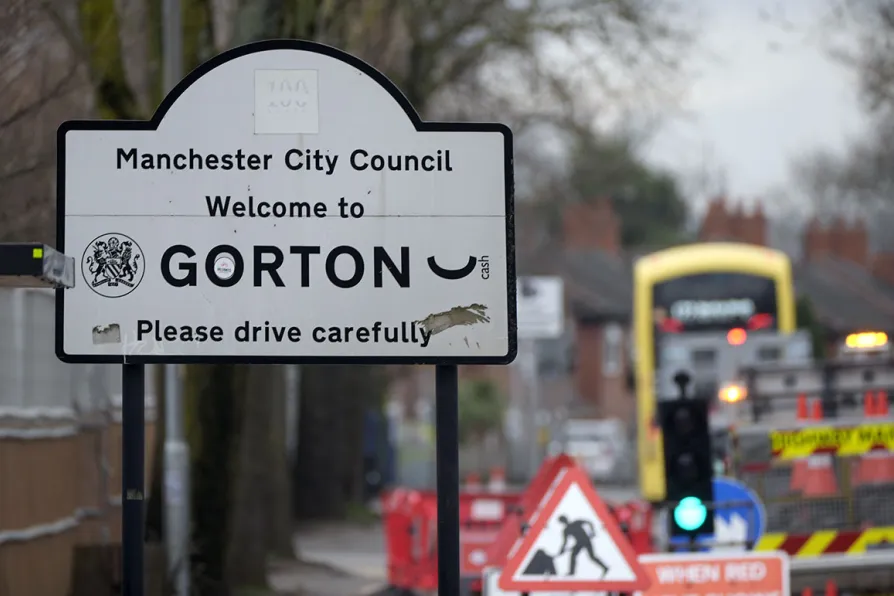
By-election poll puts Starmer's future on a knife-edge
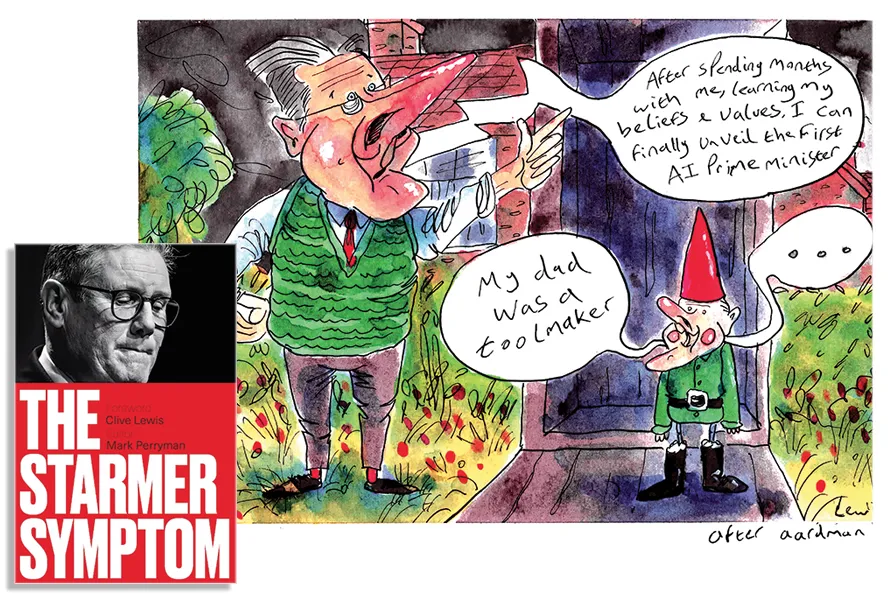
ANDREW MURRAY recommends a volume of essays that nail the visionless, racist and neoliberal character of policy under Starmer’s Labour Party

Every Starmer boast about removing asylum-seekers probably wins Reform another seat while Labour loses more voters to Lib Dems, Greens and nationalists than to the far right — the disaster facing Labour is the leadership’s fault, writes DIANE ABBOTT MP