




CHINESE loans to countries facing financial ruin in recent years, including Sri Lanka, Argentina and Pakistan, mean that Beijing is increasingly seen as an alternative to the International Monetary Fund, an analysis published in the Financial Times has found.
China’s Belt and Road Initiative had already led to it eclipsing the World Bank as the biggest funder of public works in other countries, but the emergency loans threaten to further undermine Western financial dominance of the global South because China does not attach the usual conditions applied by the IMF, such as cuts to public spending, according to AidData, a research facility at the US William and Mary University.
“Beijing has tried to keep these countries afloat by providing emergency loan after emergency loan without asking its borrowers to restore economic policy discipline or pursue debt relief through a co-ordinated restructuring process with all major creditors,” AidData executive director Bradley Parks told the newspaper.

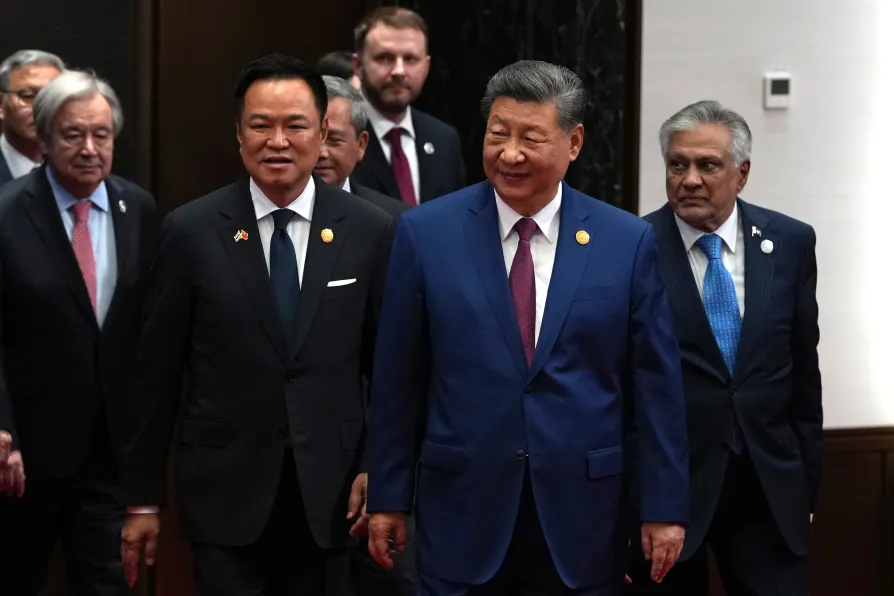

Friedrich Merz’s call for a new Plaza Accord ignores how Washington’s 1985 currency ambush destroyed Japan without fixing US deficits — China, a sovereign socialist state with 1.4 billion consumers, cannot be bullied the same way, writes CARLOS MARTINEZ
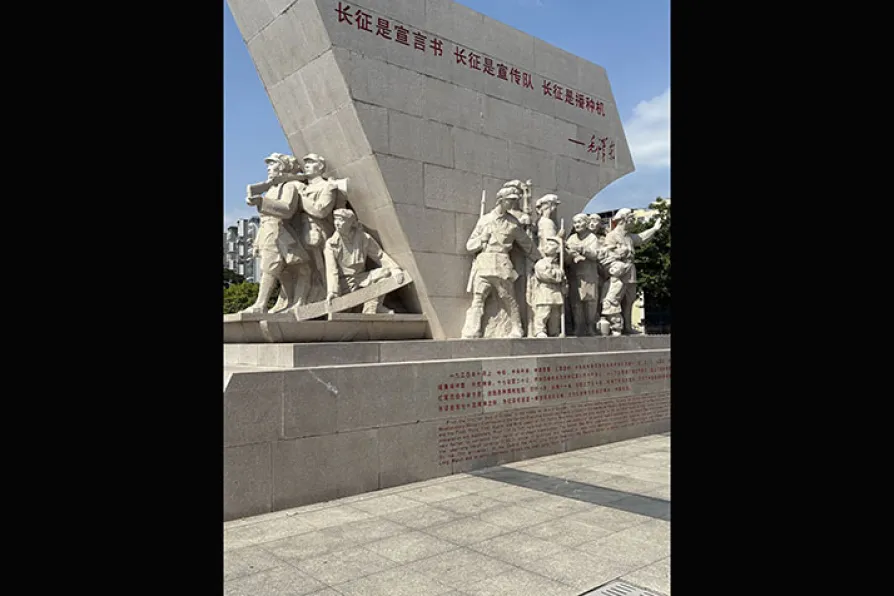
STEPHEN BELL reports from a delegation that traced the steps of China’s socialist revolution from its first modest meetings to the Red Army’s epic 9,000km battle to create the modern nation that today defies every capitalist assumption

Morning Star editor BEN CHACKO reports from the start of Kunming’s Belt and Road media forum, where 200 journalists from 71 countries celebrated a new openness and optimism, forged by China’s enormous contribution to global development