IAN SINCLAIR examines the curious memory lapses across liberal media when it comes to British government crimes


 Latest editorial
Question marks raised over events on Bloody Friday
The work of researchers at Paper Trail has uncovered an unaccountable lack of action by the British army when warned of bombs planted in Belfast on July 21 1972. RICHARD RUDKIN reports
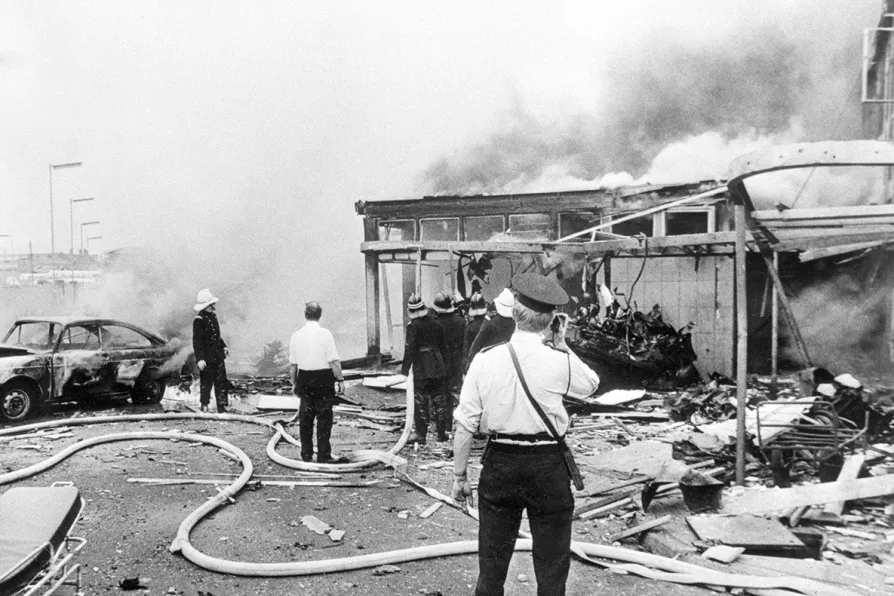 HORROR: A dark cloud of smoke drifts across the centre of Belfast, as firemen hose down the remains of Oxford Street bus station on the day which later became known as Bloody Friday in 1972

STEPHEN ARNELL looks at some of the notorious political corruption cases from British history
ENRIQUE SANTIAGO ROMERO says the Colombian far-right’s election victory is deeply suspect — and the United States has its fingerprints all over it
History suggests apartheid ends not through appeals to conscience alone but through sustained economic and political pressure, says HUGH LANNING
ARTHUR WEST surveys the achievements of the Scottish campaign against South African apartheid and how we can draw on them to fight a rising far right
As the US marks 250 years since the Declaration of Independence, the People’s World Editorial Collective argues that the real legacy of 1776 lies not in official celebrations but in centuries of popular struggles to make democracy a reality for all


“THE UK government has embarked on a course of action that runs a very significant risk of eventually being found by domestic courts and/or the European Court of Human Rights not to be compliant with the convention.”
Damning words from Dunja Mijatovic, human rights commissioner for the Council of Europe on the controversial Legacy Bill, which is currently going through Parliament.
The sense of panic to get this legislation into law has been hastened by the brilliant work of organisations like Relatives for Justice and the Pat Finucane Centre, which have been a tremendous help and support to victims and families of the Troubles.

Similar stories
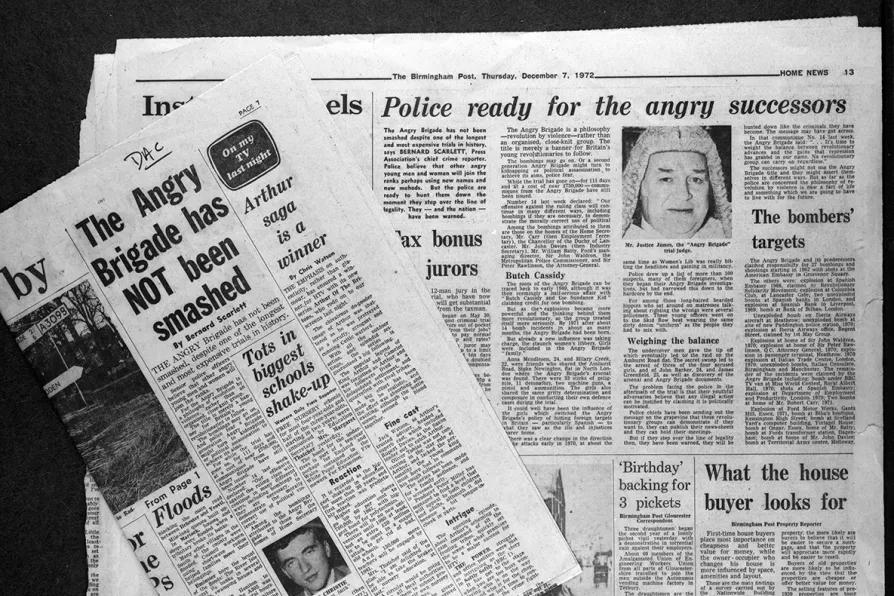
With the recent release of Paul Thomas Anderson’s movie One Battle After Another, STEPHEN ARNELL gives the storied history of the British real-life left-wing urban guerillas
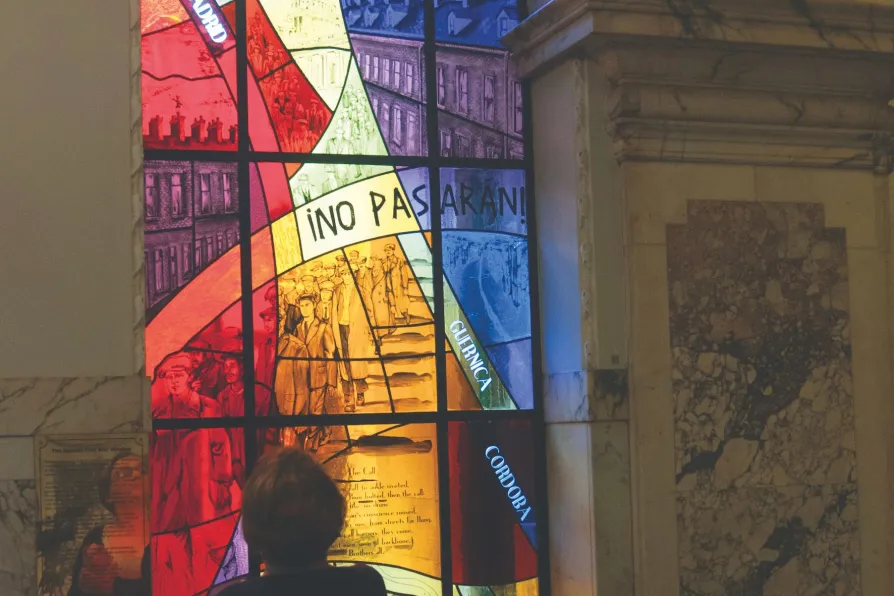
JIM JUMP looks forward to the International Brigade Memorial Trust AGM taking place in Belfast later this week where the spirit of solidarity will be rekindled
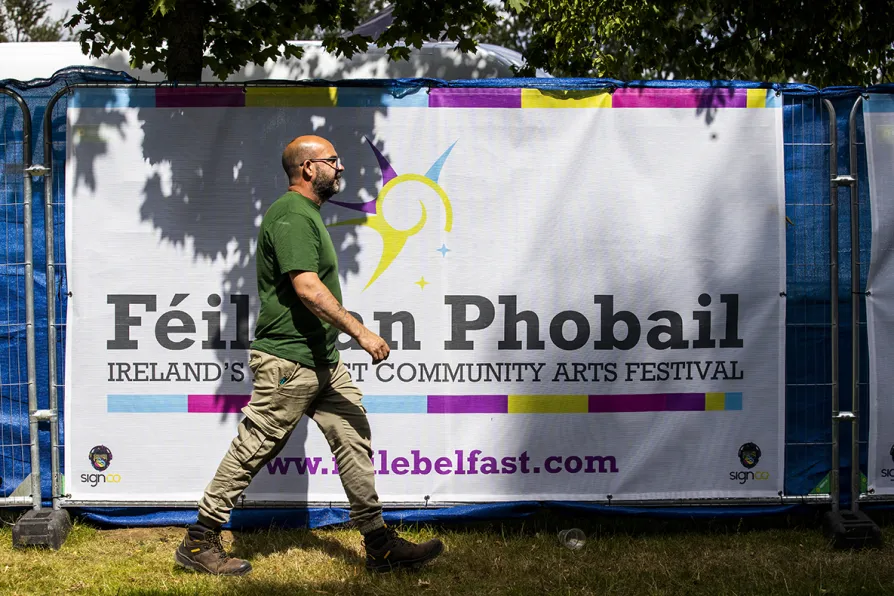
Why not pay a visit to Feile an Phobail, a people’s festival of community arts with roots in the days of internment without trial, and where the spirit of solidarity remains undimmed, says LYNDA WALKER