

 Latest editorial
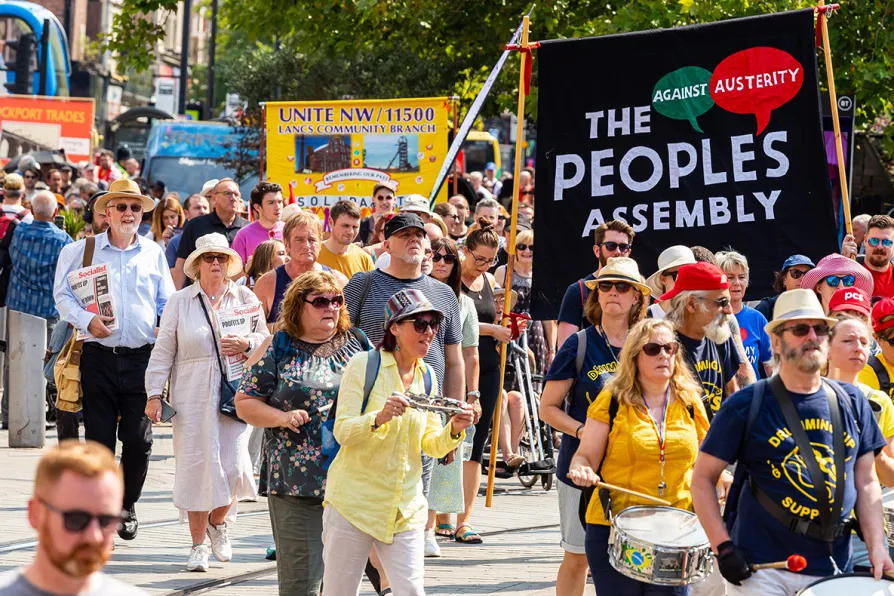 The Peterloo march gets underway led by the PCS Samba Band.
[Neil Terry Photography / neilterryphotography.co.uk]
The Peterloo march gets underway led by the PCS Samba Band.
[Neil Terry Photography / neilterryphotography.co.uk]


STRIKES are multiplying. Train drivers’ action at the weekend will be followed by other transport workers this week.
RMT and TSSA members will be taking action across the rail network on Thursday and Saturday. The capital will be paralysed on Friday as RMT and Unite members strike on the underground and overground, with Unite bus drivers taking action on the same day.
The following week will see Royal Mail and Post Office staff walk out. More postal strikes will take place the week after, as will further action among comms workers in the BT Group.
Workers taking action because the soaring cost of living is wiping out the value of their pay packets might feel they have more immediate worries than the raft of authoritarian legislation passed by our Conservative government.
Yet the battle for democracy emphasised at the weekend’s Peterloo march in Manchester, organised by the People’s Assembly, has always been connected to the struggle for a decent standard of living.
Demands for universal suffrage at Peterloo were raised — and bloodily suppressed — in the context of economic depression, savage pay cuts and bread prices driven up by the Corn Laws. Today’s assault on democracy, too, is designed to shut down demands for economic justice.
That’s most obvious in the direct attacks on trade union rights.
Unions are smashing through the arbitrary turnout thresholds imposed by the Cameron government.
Politicians do not recognise that this reflects overwhelming support by workers for strikes. Instead they look at further ways to render strike action ineffective or illegal.
Legislation allowing employers to hire agency workers to scab has already been passed: London superstore Harrods has become the first company to state it plans to take advantage.
Tory leadership frontrunner Liz Truss suggests that as prime minister she will impose minimum service thresholds on staff in “critical national infrastructure” — so the very people hailed during the pandemic as key workers are the target for repressive legislation barring them from withdrawing their labour.
Unions will also be targeted by broader anti-protest legislation. Provisions in the Police, Crime, Sentencing & Courts Act will be used to shut down demonstrations in solidarity with striking workers and arrest pickets.
There have already been efforts to smear trade union leaders as traitors for questioning government and mainstream media narratives on international questions, from the Ukrainian far right to the supposed threat China poses to Western “freedoms.”
The march of online censorship and the drive in Parliament — including by the Labour Party — to silence all voices critical of British or US foreign policy present a rather more serious menace to those “freedoms.”
And like the attacks on the right to protest, with their echoes of the Six Acts passed after Peterloo to gag newspapers and ban large demonstrations, they are motivated by fear of the public. Fear of the popularity of proposals to take back control of privatised energy, water, transport. Fear of support for the current wave of strikes.
Repression of workers is carried out in the name of the “national interest.” A true understanding of our history — one unlikely to thrive under Tory ministers who celebrate empire and want to refer people for re-education if they are deemed to “hate Britain” — informs working-class people that there is no such thing.
The rights we have as workers — to sick pay, holiday pay, even the regular rest days deemed “archaic” by Grant Shapps — were wrested from employers after prolonged struggles.
The rights we have as citizens, too, were won over decades of protest and revolt met with savage repression by the British elite.
All of these rights are in the firing line.
Our movement must use annual commemorations such as that of Peterloo to introduce a generation taking industrial action for the first time to the radical history of our class.
It is a lesson in struggle that can raise class consciousness and counter the Establishment propaganda deployed against us every day.

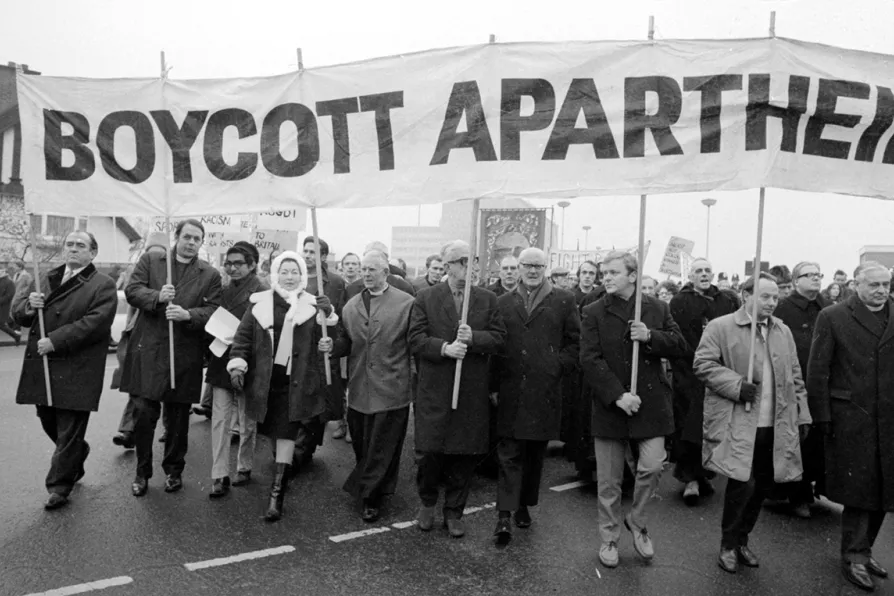
ARTHUR WEST surveys the achievements of the Scottish campaign against South African apartheid and how we can draw on them to fight a rising far right

The General Strike exposed the power of the working class — and the limits of its leadership, writes Dr DYLAN MURPHY
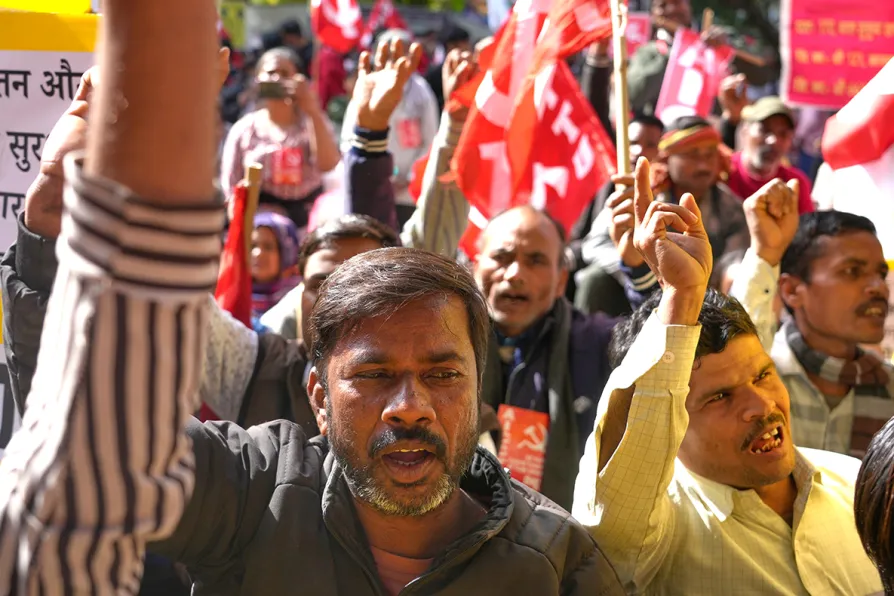
The biggest strike in global history is a template for our future. The silence tells you all you need to know, writes CLAUDIA WEBBE
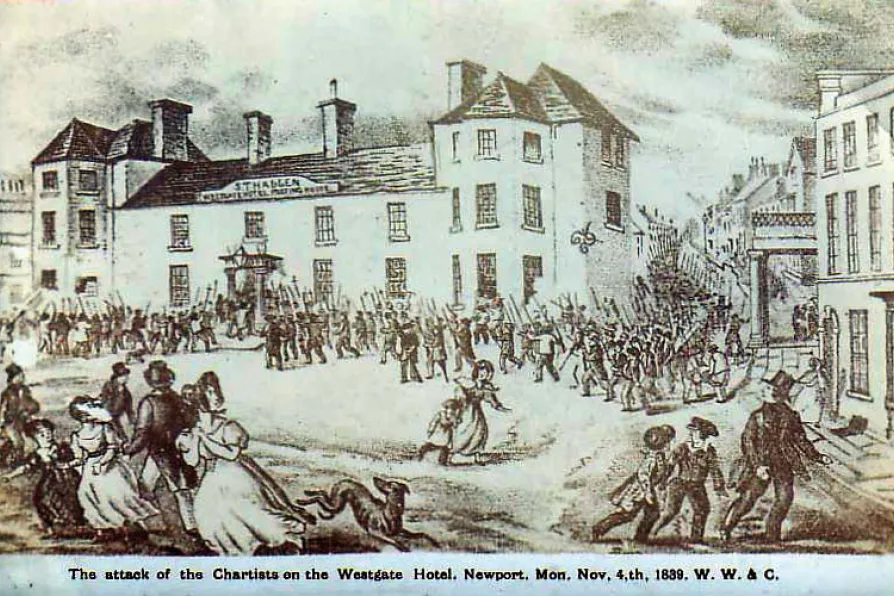
It’s not just the Starmer regime: the workers of Britain have always faced legal affronts on their right to assemble and dissent, and the Labour Party especially has meddled with our freedoms from its earliest days, writes KEITH FLETT