

 Latest editorial
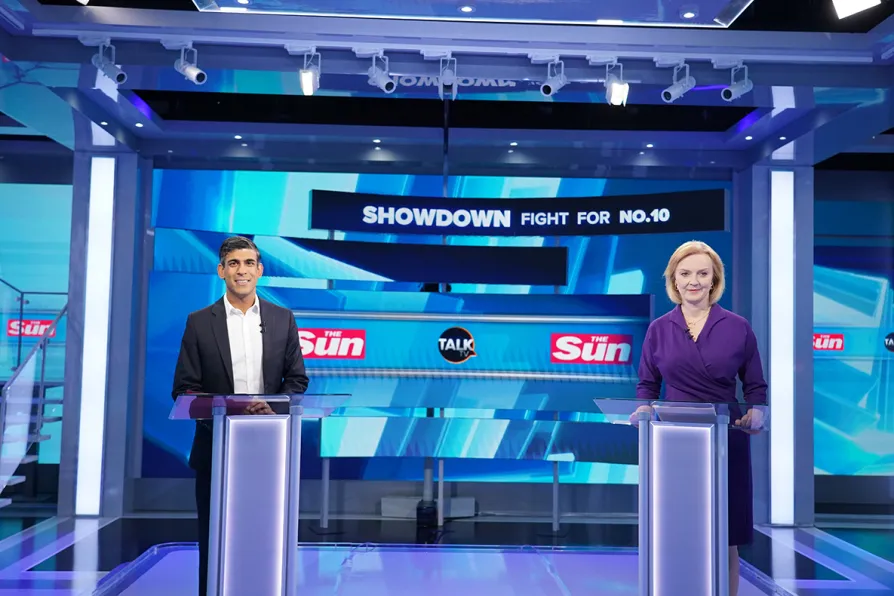 Liz Truss and Rushi Sunak at TalkTV's Ealing Studios, west London
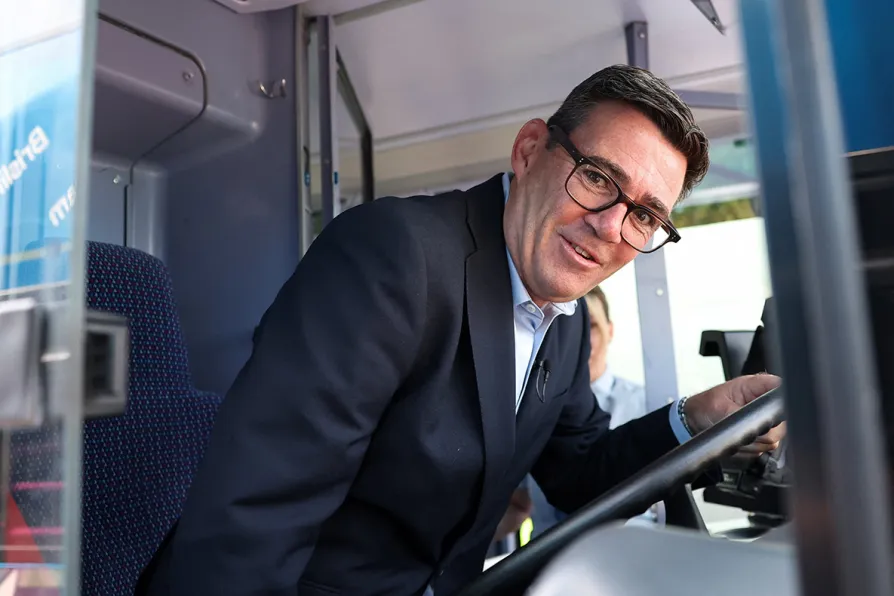


BETWEEN 1979 and 1996, Conservative governments introduced no less than 10 new anti-worker, anti-trade union laws.
Collectively, they amounted to the biggest assault on the fundamental right of workers to withdraw their labour since a previous Tory government’s retribution for the 1926 General Strike.
Because the Tory Party and its big business sponsors can never have enough restrictions on the rights and power of workers and their unions, David Cameron’s government produced the 2016 Trade Union Act.
According to the Institute of Employment Rights, “the principal aims of the Act appear to be to make it extremely difficult or impossible for workers to engage in lawful industrial action, and to starve the trade unions and the labour movement of funds.”
Cameron had even threatened to abolish the check-off system for union dues payment in the public sector, which could have wrecked union finances.
He only withdrew the threat when the TUC promised to campaign for a Remain vote in the EU referendum and dropped all criticism of the EU, European Court of Justice rulings and “Troika” austerity and privatisation policies.
However, recent ballots in the RMT, CWU, Unite, Aslef and other unions show that when workers are determined enough, their cause is just and their leaders will lead, all the hoops and hurdles put in their way will not deter them.
Now step forward Tory leadership contender and most likely our next prime minister, Liz Truss. Fishing for Tory membership votes in the Home Counties stockbroker belt, she has promised a fresh barrage of anti-strike and anti-union measures.
Within the first 30 days of her Downing Street reign, she will legislate for guaranteed “minimum service levels” of strike-breaking in essential services (probably including energy, education, health, the railways and mail).
The minimum thresholds and weighted majorities required in votes for lawful industrial action will increase and apply to all ballots. Workers could vote two-to-one for industrial action on a turn-out of 70 per cent, or three-to-one on 65 per cent, and their strike would still be unlawful.
Longer notice of strike action would allow employers more time in which to hire agency workers for strike-breaking purposes.
In the BBC debate on Monday evening, she went further and, when asked if she would ban strikes in essential public services like the railways, she answered “Yes.”
Not to be outdone, her rival Rishi Sunak agreed, adding “it’s a manifesto commitment and we need to deliver it.”
At least he didn’t repeat his ludicrous claim that Truss is some kind of “socialist.”
In truth — a commodity in short supply in this leadership contest — the 2019 Conservative manifesto pledged only that “we will require that a minimum service operates during transport strikes.”
Whoever wins this wretched race to No 10, the labour movement should begin discussing and planning immediately to face a fresh onslaught on workers’ rights.
They have every right to expect staunch support from the Labour Party, whose green paper on employment rights contains many positive proposals to extend the rights of workers and their unions.
But will unions get that support from the Labour leadership?
Billionaire business mogul Warren Buffett once told a New York Times journalist: “There’s class warfare, all right … but it’s my class, the rich class, that’s making war, and we’re winning.”
What will Keir Starmer answer should he be asked in the future: “And what did you do during the class war, daddy?”

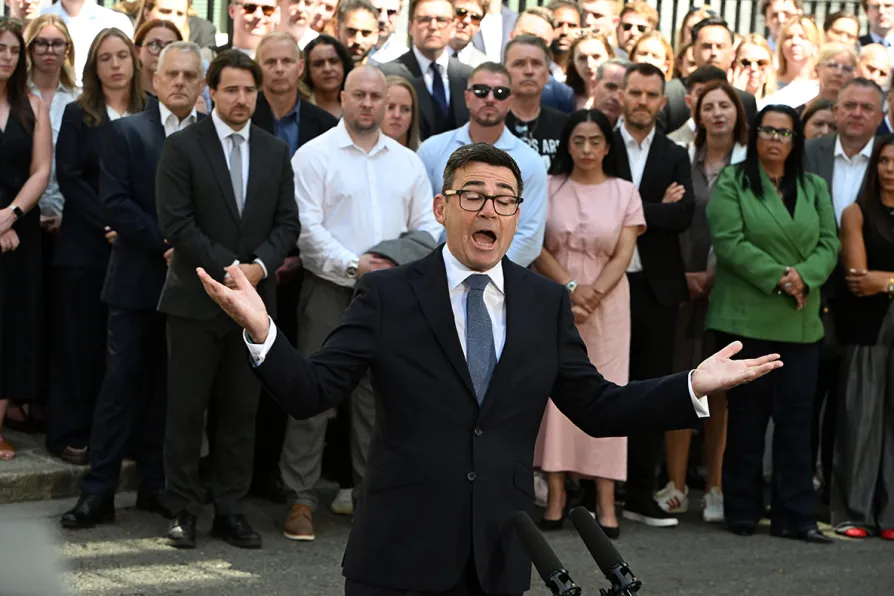
The Tories introduced the 50% strike ballot threshold to make industrial action harder. MATT WRACK argues that a Labour government has no justification for leaving it on the statute book
![Durham Miners' Gala 2026 [Pic: Neril Terry]](https://morningstaronline.co.uk/sites/default/files/styles/desktop/public/2026-07/SSS_20260711_DURHAM_MINERS_GALA_0-17.jpg.webp?itok=aLX58nf7)
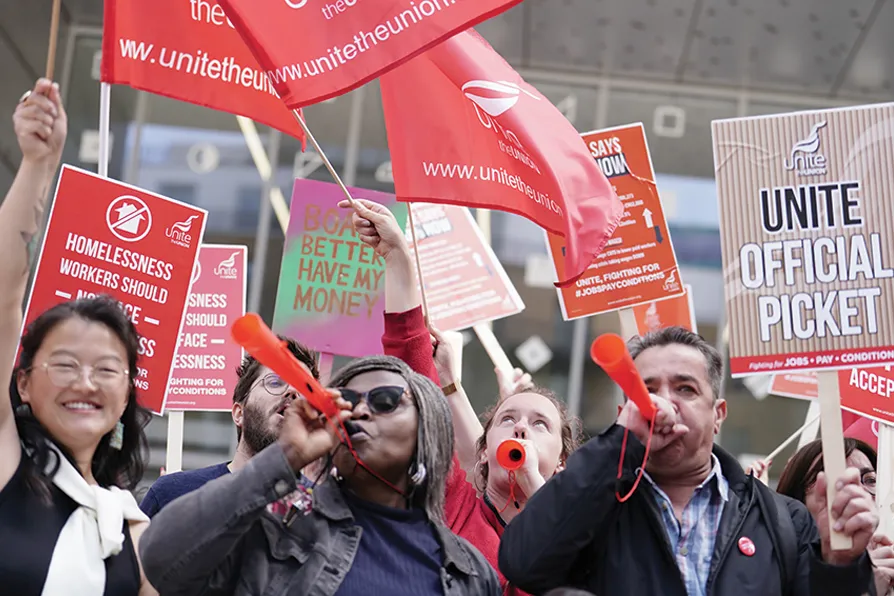
The unions are unhappy with the Employment Rights Act 2025 and with good reason. KEITH EWING and Lord JOHN HENDY KC take a close look at why the Bill promised more than it delivered
Labour must not allow unelected members of the upper house to erode a single provision of the Employment Rights Bill, argues ANDY MCDONALD MP