The Tories introduced the 50% strike ballot threshold to make industrial action harder. MATT WRACK argues that a Labour government has no justification for leaving it on the statute book


 Latest editorial
Building workers 1972: a strike whose time had come
Half a century ago building sites reached boiling point after years of declining conditions and casualisation — skilled and unskilled labour struck together, using mass open-air meetings and flying pickets to win, writes EILEEN TURNBULL
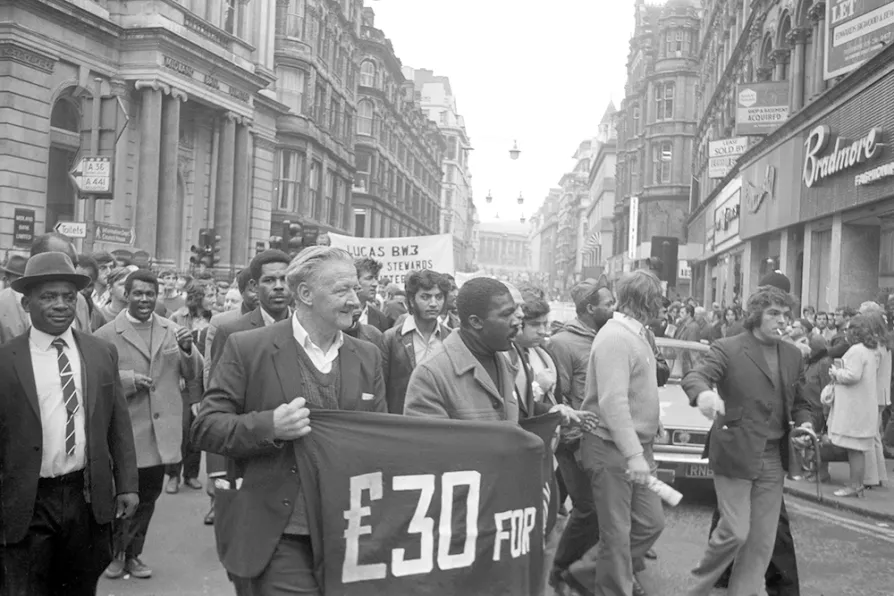 More than 1,000 building trade employees march through Birmingham’s city centre, 1972
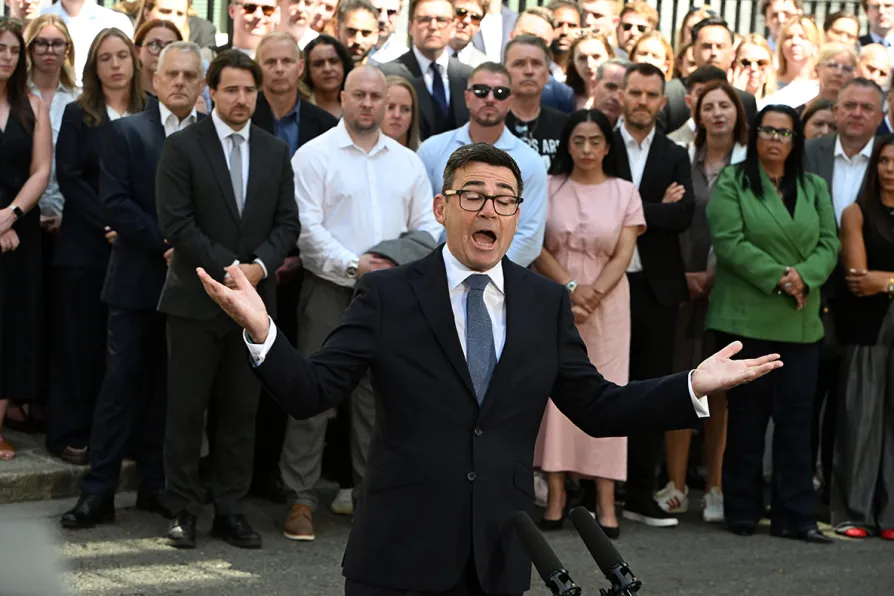
In the wake of Ann Widdecombe’s murder, JOHN GREEN wonders whether the government will really get to grips with the root cause of these attacks on our MPs
The new PM’s opening addresses offered hope, council homes and reform — but little detail on how any of it will be delivered, warns CLAUDIA WEBBE
Despite the screeching from the right-wing media, Burnham’s speech chimed with the public mood - and socialists should take advantage, says Morning Star editor BEN CHACKO
Scotland's Labour leader cannot continue to evade responsibility for the party's decline, argues LAUREN HARPER
Nature as well as society works dialectically, asserts the Marx Memorial Library and Workers’ School


THIS year is the 50th anniversary of the many industrial disputes that took place in 1972, when trade unionists stood up to defend pay, jobs and working conditions. They included coal miners, dock workers, engineers and railway workers.
The late Bob Crow remarked: “Everyone keeps saying that we are going back to the 1970s. What was wrong with the 1970s?” The significance of these disputes is that they all succeeded, even though workers faced employers who were backed up by Ted Heath’s right-wing Tory government.
June 26 marks the anniversary of the start of Britain’s first and only national building workers’ strike. It was long overdue. The construction industry was notable for low pay and high accident rates. The employers were encouraging the spread of casual employment, known as “lump labour,” to cut costs and to undermine trade union membership and organisation.

Similar stories
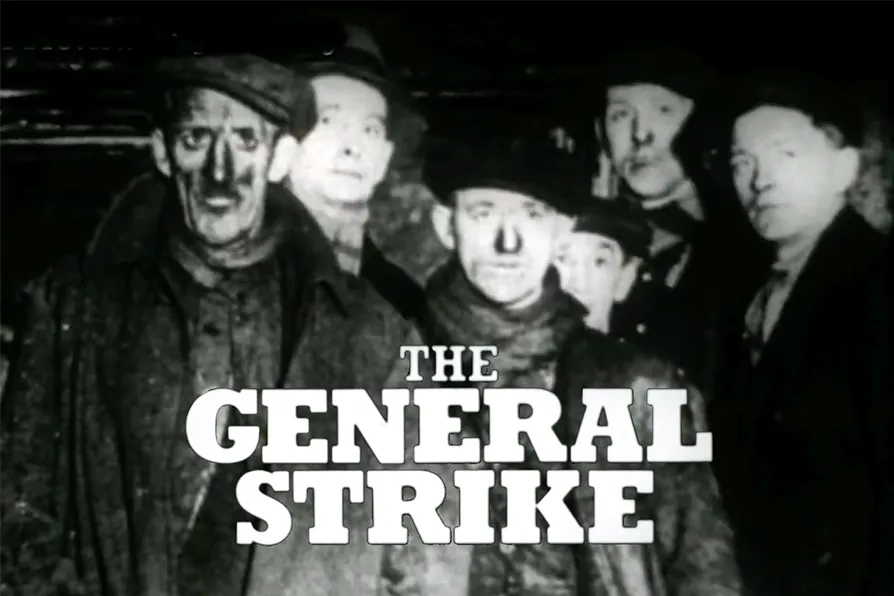
MARY DAVIS welcomes a remarkable documentary about the general strike — politically spot on, and featuring accounts from the strikers themselves — that is available for screenings

A past confrontation permanently shaped the methods the state will use to protect employers against any claims by their employees, writes MATT WRACK, but unions are readying to face the challenge
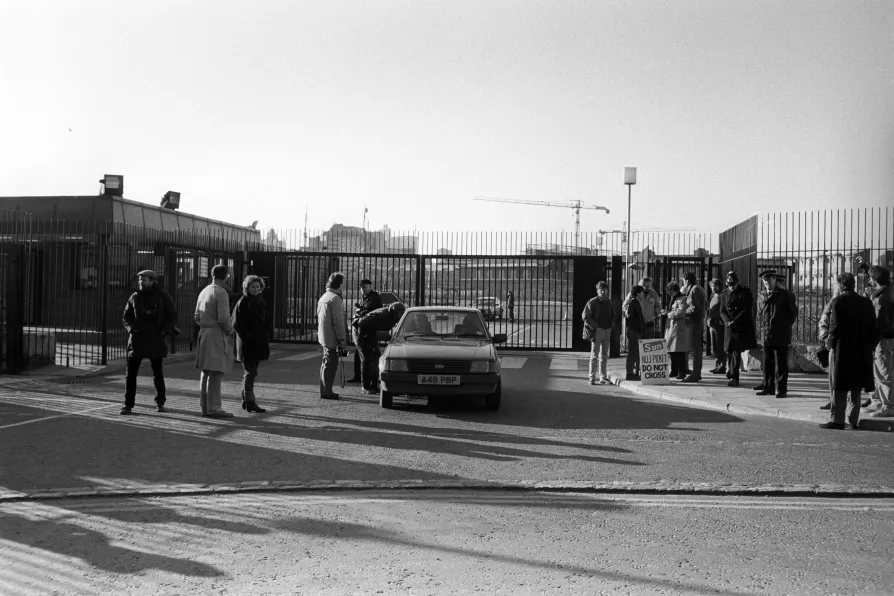
JOHN LANG recalls how Murdoch used scabbing electricians and even devised a fake newspaper to force a confrontation with printers – then sacked them all
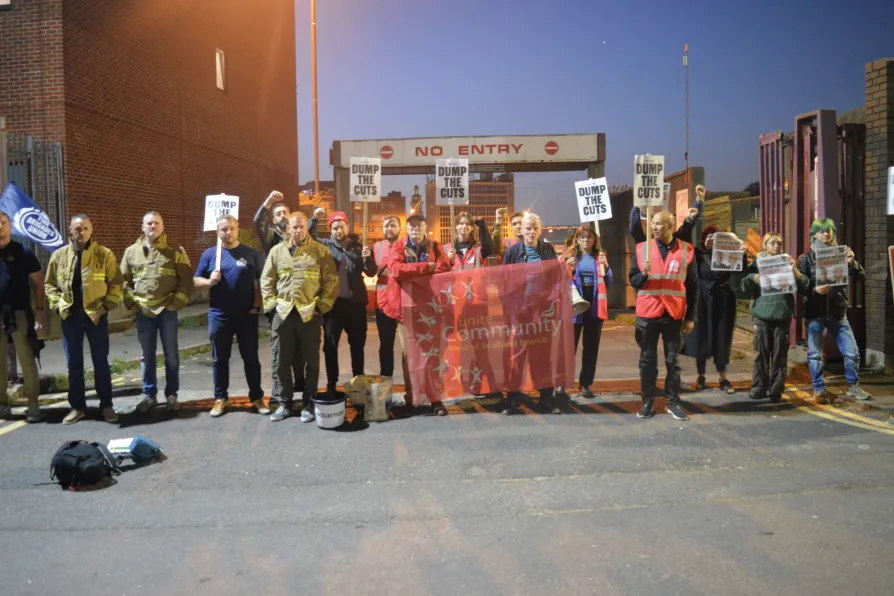
Since 2023, Strike Map has evolved from digital mapping at a national level to organising ‘mega pickets’ — we believe that mass solidarity with localised disputes prepares the ground for future national action, writes HENRY FOWLER