The recent heatwaves revealed how ill-prepared Britain remains for a hotter future – and how unequal the ability to cope with it has become, write ROX MIDDLETON, LIAM SHAW and MIRIAM GAUNTLETT


 Latest editorial
Dangerous escalation: Putin puts Russia’s nuclear forces on high alert
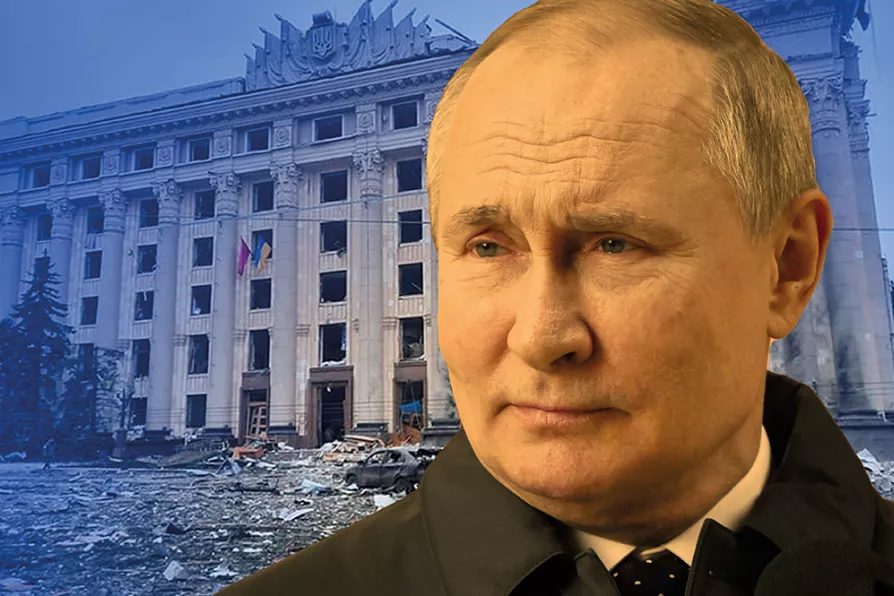
This is not simply a war between Russia and Ukraine, but involves Nato and the US and neither more sanctions or a direct conflict will end in peace — a diplomatic solution must be found, writes JOHN WOJCIK

Extreme heat is now one of the defining public health challenges of a warming world, explains Prof IAN WILLIAMS
The US-Israeli conflict with Iran has had far-reaching consequences, including a boost to Pakistan’s regional standing, argues ROGER McKENZIE
19.01.1930-23.04.2026
Kate Clark pays tribute to Ricardo, whose life spanned the hopes of Allende’s Chile, the horrors of military dictatorship and decades of campaigning for justice in exile
Keir Starmer's early political life suggests a very different future from the one he ultimately embraced, says KEITH FLETT
After the dismissal of union representatives and years of precarious working conditions, Kimpton Clocktower workers are drawing a line, writes THOMAS BELL


THERE WERE calls heard around the world this weekend for Russia to end its attack on Ukraine which has been going on now for five days since it violated international law and Ukraine’s sovereignty by crossing the border into that country with troops and weapons.
As the fighting continued in Ukraine’s major cities this weekend and the death toll mounted, there were new developments that offered a glimmer of hope. Ukraine and Russia agreed to hold talks in a neutral location on the border between Ukraine and Belarus.
Successful diplomacy to solve the crisis must begin with the cessation of Russian military operations in Ukraine and give serious attention to a number of critical issues.

Similar stories
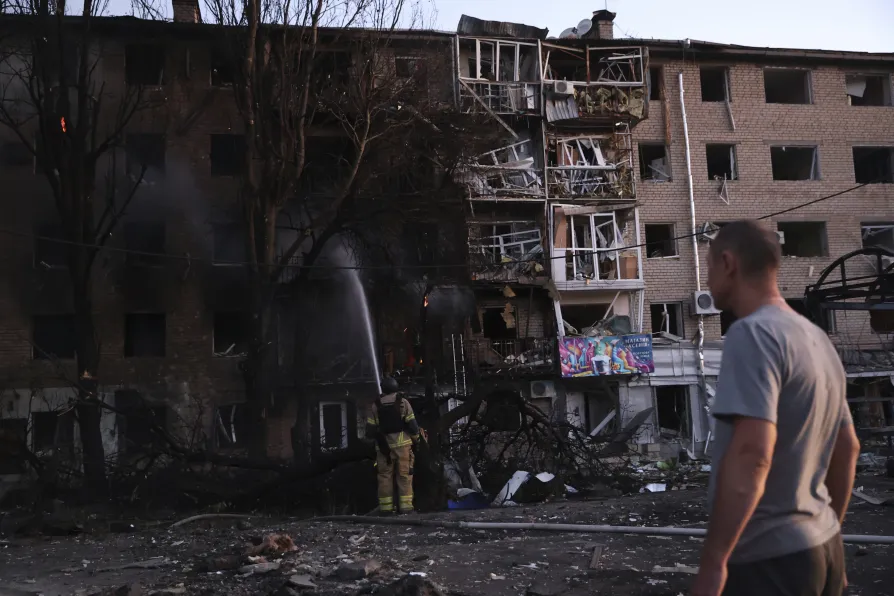
While 69 per cent of Ukrainians want negotiated peace, Western leaders are cynically prolonging the war for their own strategic and economic goals, to the immense detriment of Ukraine and Europe, write BOB ORAM and MAGGIE SIMPSON

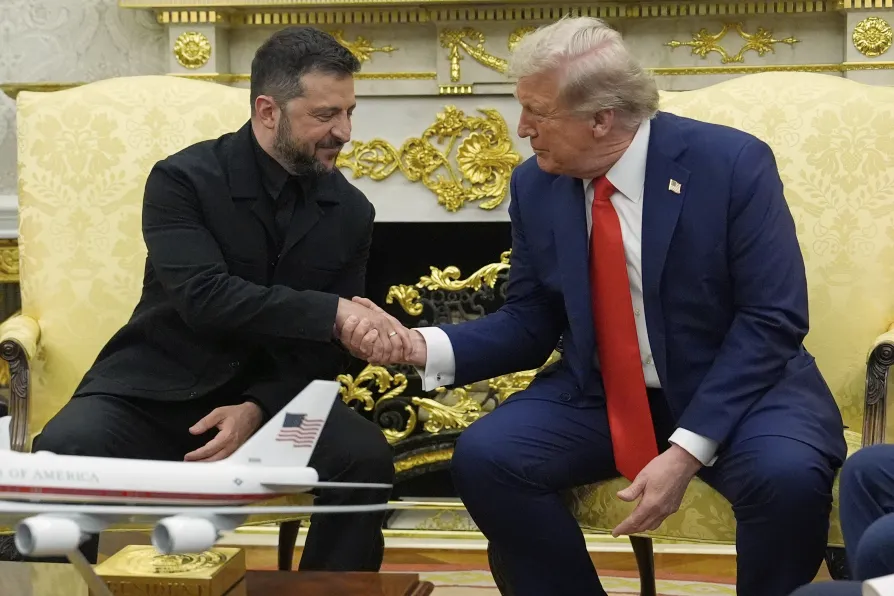
Washington plays innocent bystander while pouring weapons and intelligence into Ukraine, just as it enables the Gaza genocide — but every US escalation leaves Ukraine weaker than the neutrality deal rejected in 2022, argue MEDEA BENJAMIN and NICOLAS JS DAVIES