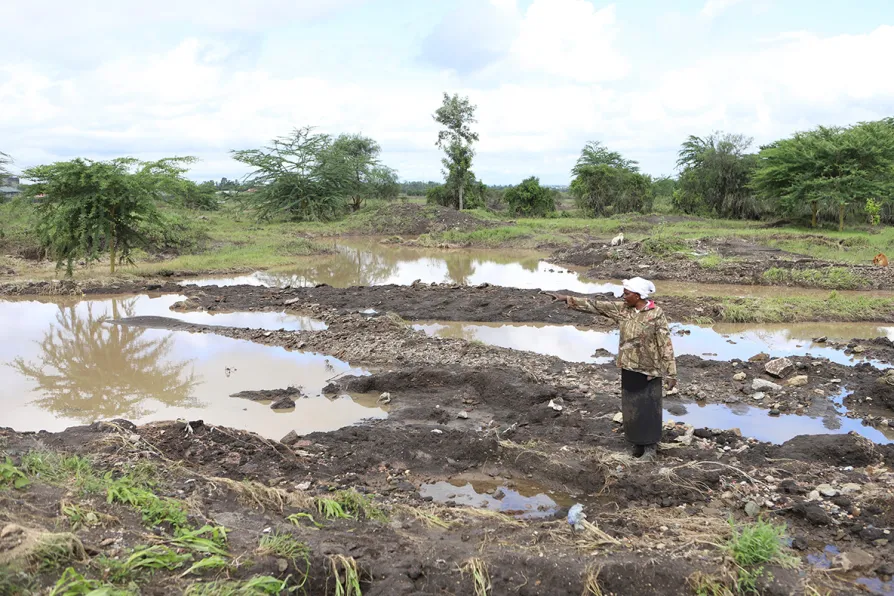
Polisario Front vowed to continue its fight for Western Sahara’s independence

THE Polisario Front called today for international solidarity with Western Sahara’s independence struggle as the movement vowed to continue its fight for self-determination.

Bouchraya Bachir, Polisario representative for the European Union, was speaking at a youth gathering in Spain when he decried Morocco’s failure to hold a promised independence referendum.

This, he pointed out, was a major part of a United Nations-brokered ceasefire agreement signed by the Polisario Front and Rabat in 1991.

The 95th Anniversary Appeal
Support the Morning Star
You have reached the free limit.
Subscribe to continue reading.
Similar stories
LIBERATION: Mission Robinson literacy class in the La Vega neighbourhood of Caracas. Applying the Cuban literacy method ‘Yes, I can!’ - the state provides free textbooks and educational videos / Piv: Oriana Elicabe/orianomada/flickr/CC
Features / 13 February 2026
13 February 2026

ISAAC SANEY points to the global stakes involved in defending the Cuban revolution against imperialism and calls for resistance
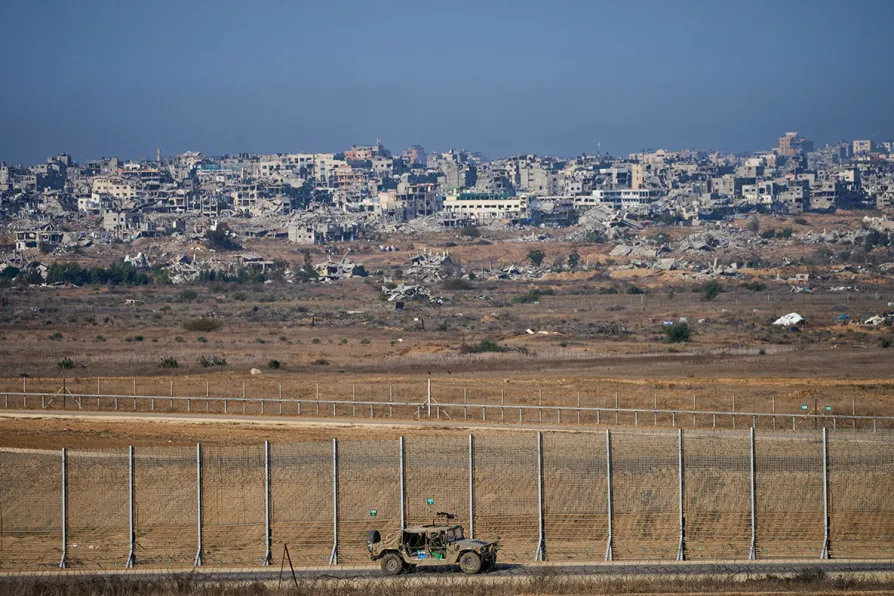
An Israeli army vehicle moves along the border of the Gaza strip, as seen from a southern Israel location on November 18, 2025
Middle East / 18 November 2025
18 November 2025
Ralah Mohamed Salim
Northwest Africa / 14 July 2025
14 July 2025

We must remember Morocco’s land grab of the Sahrawi people’s territory continues with French and British support, writes BERT SCHOUWENBURG, looking into the origins of the annexation

HISTORIC DREAM UNFULFILLED: The Freedom Charter seen here written on the wall of a cell in the Palace of Justice in Pretoria during the 1964 Rivonia Trial, where Nelson Mandela was sentenced to life imprisonment. Photo: Creative Commons — PHParsons
Features / 7 July 2025
7 July 2025

The charter emerged from a profoundly democratic process where people across South Africa answered ‘What kind of country do we want?’ — but imperial backlash and neoliberal compromise deferred its deepest transformations, argues RONNIE KASRILS