

 Latest editorial
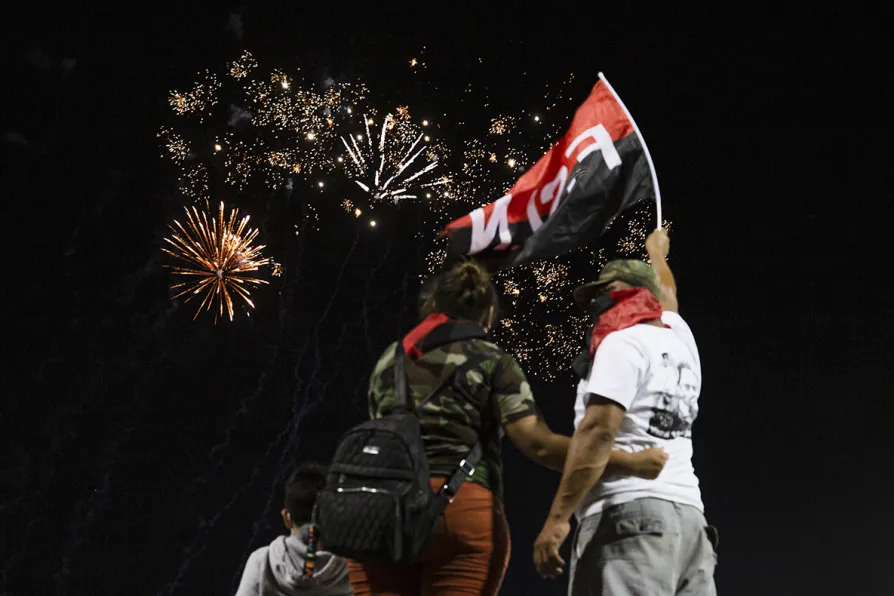 Supporters of the Sandinista National Liberation Front (FSLN) watch fireworks during commemorations for the 42nd anniversary of the triumph of the 1979 Sandinista Revolution that toppled dictator Anastasio Somoza in Managua, Nicaragua


MEDIA organisations and high-profile supporters of Nicaragua’s Sandinista government accused Facebook of censorship today after scores of accounts were blocked just one week before the country goes to the polls.
The social media giant, which also owns Instagram, shut down platforms belonging to a number of progressive journalists, along with the accounts of major Sandinista news outlets including Redvolucion and Barricada.
Twitter also suspended the accounts of a number of pro-Sandinista journalists and supporters of the Nicaraguan government without warning, in what sources said was “politically motivated, co-ordinated censorship” by the United States.

Claims that digital media has rendered press power obsolete are a dangerous myth, argues DES FREEDMAN
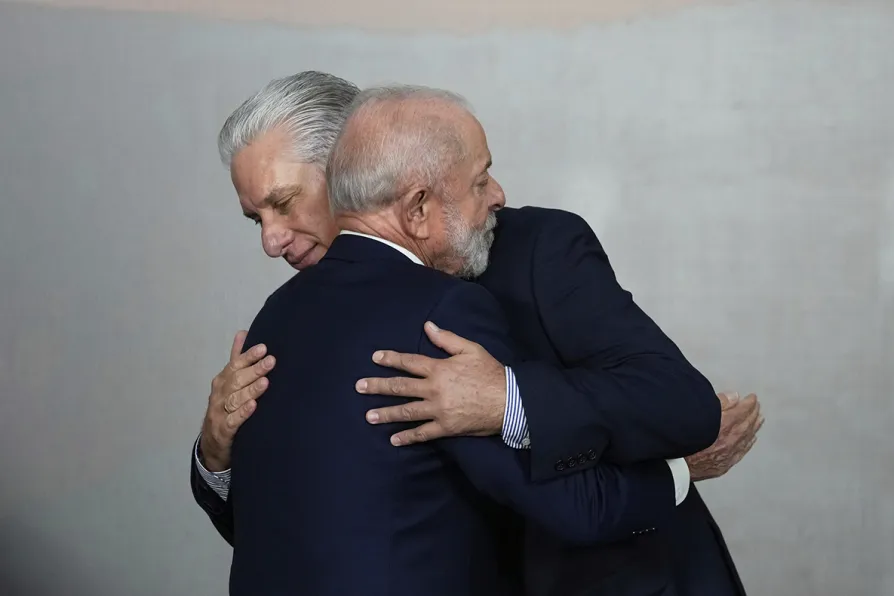
The recent speech by Cuba’s President Miguel Diaz-Canel is an affirmation of Amilcar Cabral’s revolutionary principle, writes ISAAC SANEY
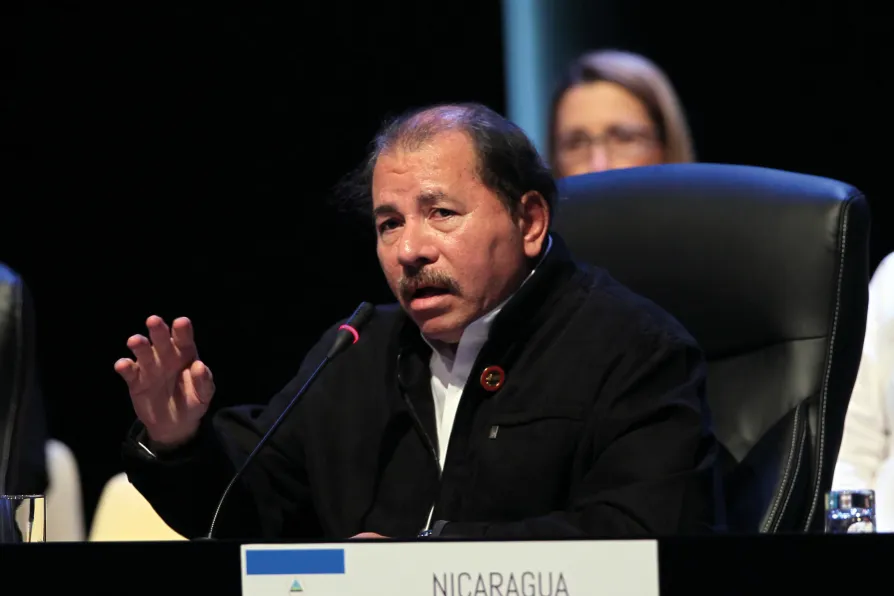
The corporate media have been quick to point the finger over the murder of a Nicaraguan opposition figure, but where is the actual evidence, ask KELLY NELSON and ROGER D HARRIS