To rescue Kahlo from the clutches of the corporate art market, we need to acknowledge the overt and covert political dimensions of the work, demands GAVIN O’TOOLE


 Latest editorial
‘It’s as if a kind of generational ennui has set in’
FRAN LOCK interviews Alan Morrison about his Anxious Corporals, a polemical and poetic history of post-war working-class aspirational culture of self-improvement
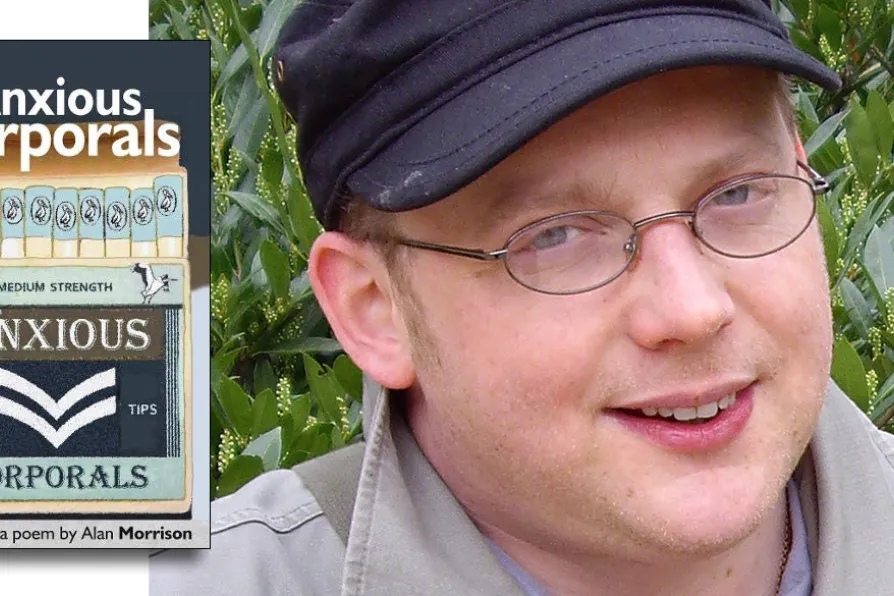 ANXIOUS: Alan Morrison
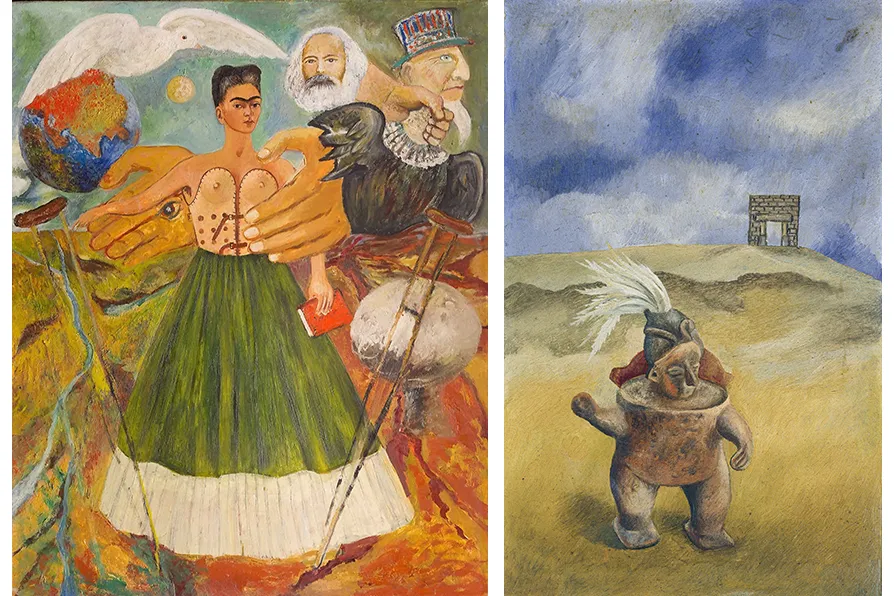
If you can see past the relentless commodification you will be rewarded by enormously powerful work, suggests JENNY MITCHELL
CHRIS SEARLE revels in the one-off collaboration between an American polymath and a British Muslim, and detects the presence of their revolutionary forebear
GORDON PARSONS revels in an ebullient production of Shakespeare’s magical comedy
BRENT CUTLER welcomes a thoughtful analysis of the Erdogan regime, viewed through the evolving history of a neighbourhood in Istanbul
GORDON PARSONS regrets the price, but is dazzled by an outstandingly ambitious study of the way art restoration in particular, and culture in general was weaponised by the Nazis


FL: Anxious Corporals (AC) is a term first coined by Arthur Koestler to describe working-class servicemen with a need to – as you write – “satisfy some/ Vitamin deficiency of the mind,” not for the purposes of self-advancement, but to help make sense of an increasingly fragile and threatening world. This sense of anxiety permeates AC at the level of language. Was this a conscious creative decision?
AM: Anxiety is underneath everything I do, particularly creatively, it’s the conductor of my thoughts and words and ideas; also an obsessiveness, which very much comes through in the obsessional pull of this poem, of the phrasings punctuated only with commas, giving a breathless almost panicky quality.
Creativity and self-expression are essentially anxious acts. Arguably life itself is a state of anxiety.
The poem functions, in part, as a lament for that lost working-class autodidactism. Why, at such an anxious point in our history, do we not see this corresponding thirst for knowledge today?
The irony today is that with ever greater resources for communication and information the novelties in those areas have diminished rather than expanded. It’s as if a kind of generational ennui has set in.
No doubt there are certain types of people who do still thirst for knowledge, but a lot of the time the knowledge sought might not be the most enlightening.
Ultimately what vast archives of easily accessed knowledge seem to have achieved is an increasing craving for instant gratification, an impatience, a poor concentration, an attitude that seems to expect everything to be immediately explainable at the touch of a button. But most things aren’t instantly explainable, many things require very active application, long studied reading and processing.
FL: One really significant aspect of this book is its understanding that the demise of critical thinking is something that is also done to people, deliberately, politically, over time. I was particularly struck by your critique of relativist or postmodern discourse. How has this kind of neoliberal postmodernism affected the way in which the working class understands and accesses knowledge?
AM: Suffice it to say that I agree that much of this cultural deprivation is “done to” people and of course we see this mass effort of ignorance-promoting misinformation deployed daily through the right-wing red top press, which also completely corrupts our democratic process through its mass hypnotism of vast sections of the population towards voting Tory or the nearest equivalent.
Tabloid editors would argue it’s patronising to say so, but what could be more patronising than the presumption that the working classes want to read the anti-intellectual, culturally philistine and politically reactionary tripe that they spoon-feed them?
When I wrote AC I was very angry. Back in the 1980s many had fallen for the false promises of Thatcherism, which resulted in the spiritual crippling of our culture and society and lasting scars that have still yet to heal. So when so many seemed to fall for the xenophobic populism of Farage, Johnson and Vote Leave, I just felt so frustrated, betrayed and, well, just angry, angry at what I saw as seeming mass ignorance. The fall of the “red wall” in 2019 felt like the final straw.
The study in working-class Toryism, Angels of Marble, which I excerpt extensively in AC, provides us with many depressing and uncomfortable answers to the conundrum of blue-collar Conservatism, and it really is vital information which still applies today and is something so fundamental to British society that it has to be understood and combated by the left into the future if we’re ever to break the right-wing hegemony of our political system.

Similar stories
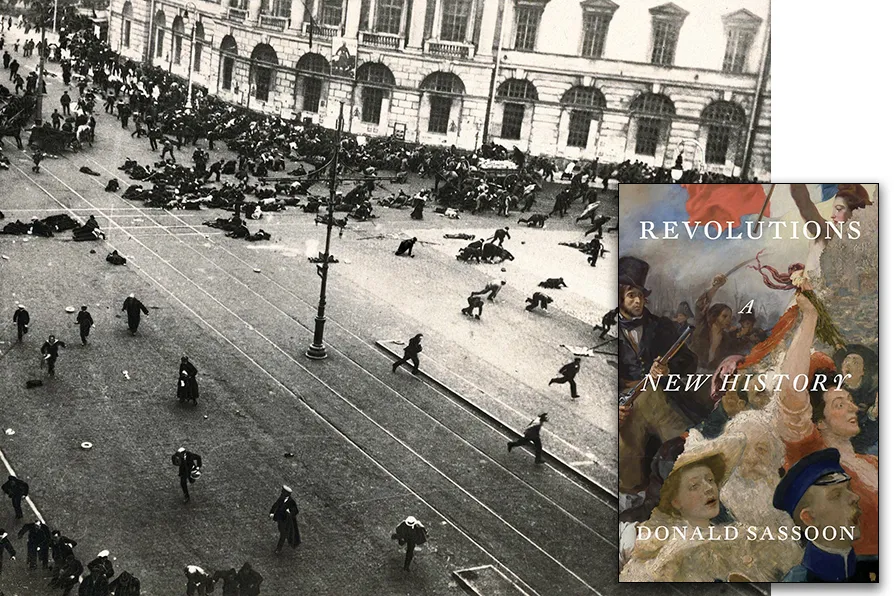
HENRY BELL follows the lineage of revolutions, from the English to the Chinese, and asks where revolutionary politics exists today

Two inspring books — that’s your New Year’s musing from me on January 2 2026

As Ash Regan’s Unbuyable Bill sparks debate in Scotland, the real issue remains unaddressed: a digitalised sex industry and a neoliberal economy that repackages exploitation as empowerment while leaving women’s material conditions unchanged, argues LAUREN HARPER
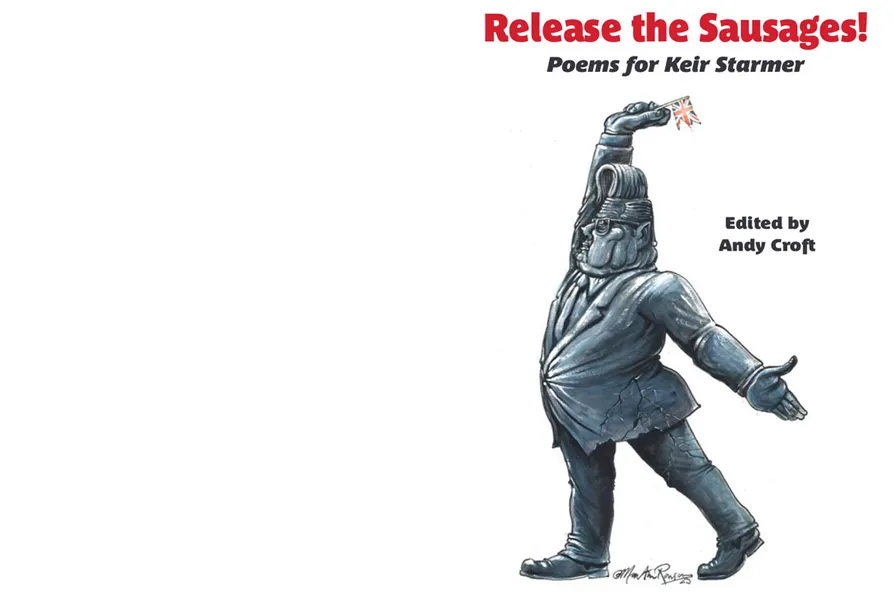
ANDY CROFT rallies poets to the impossible task of speaking truth to a tin-eared politician