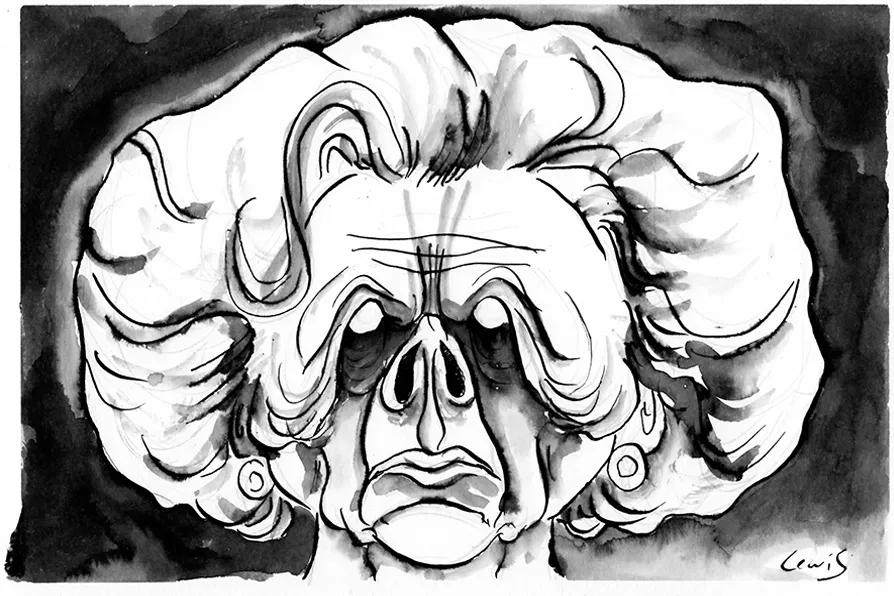
Ron's rages are sincere and — according to his wife — healthily cathartic. But can these splenetic outbursts loosen the grip of capitalism at its most monstrous?


How one revolution speaks to the next
HENRY BELL follows the lineage of revolutions, from the English to the Chinese, and asks where revolutionary politics exists today
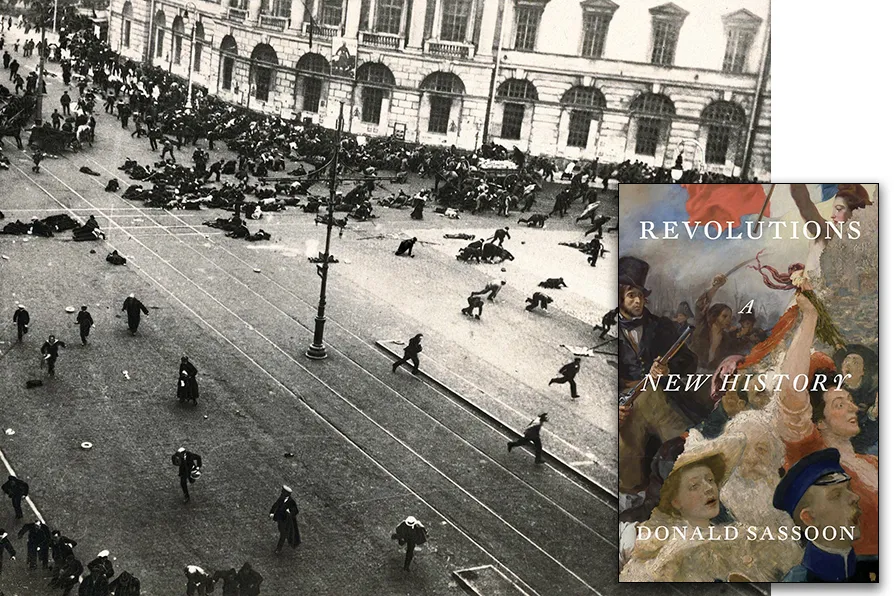
 Street demonstration on Nevsky Prospekt, Petrograd, just after troops of the Provisional Government have opened fire with machine guns, 17 July 1917 [Pic: Viktor Bulla/Public Domain]
ANGUS REID considers the power of the podcast as a vehicle for consensus building in opposition to mainstream media narratives
GLENN FOSBRAEY recommends a biography worth reading for both existing George Michael fans and those yet to be converted
FRANCIS DEVINE introduces a new collection of essays that draws on Pease McKenna’s example to indicate future paths for the movement
KEVIN DONNELLY and MARIA DUARTE review Shoot the People, The Last One For The Road, Rosebush Pruning, and Moana
JAMES WALSH recommends an exceptional documentary about the experience of Western doctors in Gaza


Revolutions
Donald Sassoon, Verso, £15.99
MAO famously said “A revolution is not a dinner party, or writing an essay, or painting a picture, or doing embroidery… A revolution is an insurrection, an act of violence by which one class overthrows another.” Not all Marxists would agree. John Maclean described revolution as the means by which an underclass overcomes the class on top of them, but specifically emphasised that a revolution was not the violence that may or may not accompany such a transition.
For Neil Davidson, following Gramsci, the Passive Revolution of the 18th century in Scotland saw capitalism replace feudalism in a revolution that was brought about by an alliance of landlords, merchants and intellectuals conducting a transition in the economic mode of society, effected from above. Here the dominant mode of production changed, but there was no political violence and no mass movement and no class that overcame another. Many lairds and lords simply removed the robes of feudal authority and donned the attire of the capitalist and plantation owner.
So is a revolution violent? Is it enacted by an underclass? Does it require an insurrection? In what meaningful sense are the American revolution of the 18th century, the bourgeois revolutions of the 19th century, and the communist revolutions of the 20th century similar phenomena? What then are we describing if we bring in — more metaphorically still — the Industrial Revolution or the sexual revolution or the digital revolution? Can we draw a line from the English Civil War to the Arab Spring?
The strength of Donald Sassoon’s sweeping Revolutions: A New History is that he does not seek to be nailed down by any one understanding of revolution. Instead, between an introduction and conclusion considering the many meanings and experiences of revolution, Sassoon presents six diverse chapters, each providing an investigation into a revolution, taking us to the English Civil War, the American Revolution, the French Revolution, the Spring Time of the Nations, the Russian Revolution and its afterlifes, and the Chinese Revolution of the mid 20th century. Sassoon does not present one unifying thesis but, instead, allows these revolutions to be in conversation with each other across the vast expanse of history, geography and ideology that divides them.
This strength, of course, can become a weakness. The selection of revolutions can seem at best random and at worst well-trodden, and the omissions glaring. The focus is deeply Euro-centric. What might the Iranian, Egyptian or Burkinabe revolutions have revealed if added to this selection? The treatment of the English Civil War is shallow without its relation to Scotland and Ireland, and the lack of a solid definition of revolution leaves discussion of the American and 19th-century revolutions at times meandering.
Nevertheless the book offers a lively narrative presentation of revolutions set within their context, and the author allows for decades before and after each supposed revolution to be exposed to help us understand the forces at play — though never as preparation for revolution, which Sassoon illustrates as something that cannot be anticipated. It soon becomes clear in the book that every past revolution, no matter its own material concerns, successes and failings, influences the revolutions of the future. The many revolutions contained within the book do not share a political tradition but they are revealed to be part of a revolutionary lineage nonetheless.
Sassoon’s conclusion reflects on the lack of revolutionary imagination in the most recent generation of politicians and intellectuals, but suggests that system change is a constant in human evolution, and that “to turn this evolution into revolution requires an accumulation of problems.” There can be no doubt that, today, problems are accumulating at a rate not seen for a century. Those who wish to do something about it would do well to study the revolutions of the past.

Similar stories
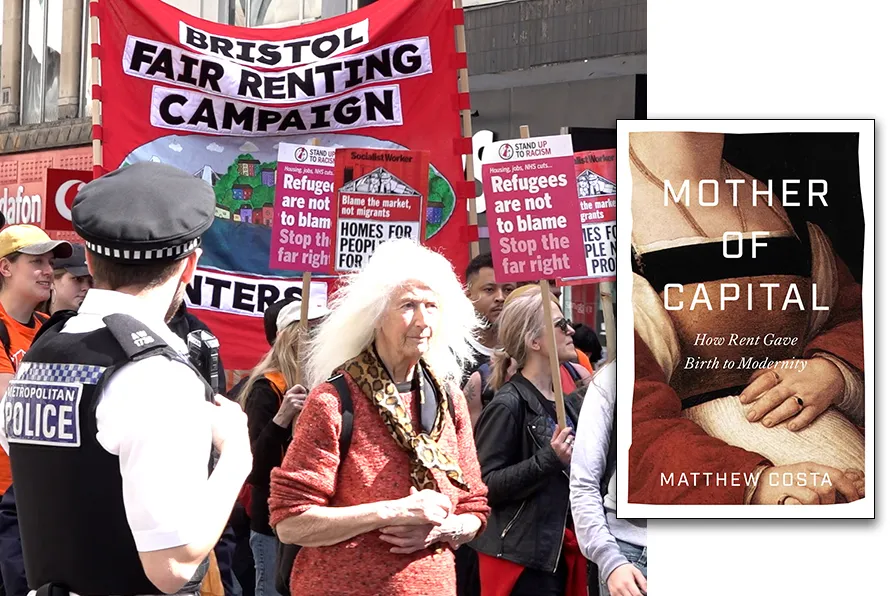
ALEX HALL is fascinated by a lucid and historically convincing account of how rent has dominated capitalist economies from feudalism to modernity
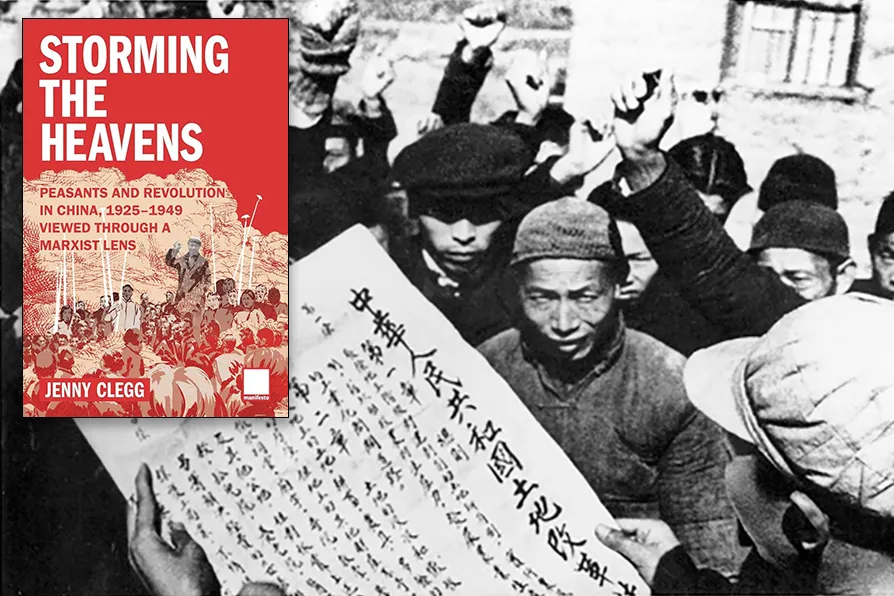
BEN CHACKO welcomes a masterful analysis that puts class struggle back at the heart of our understanding of China’s revolution
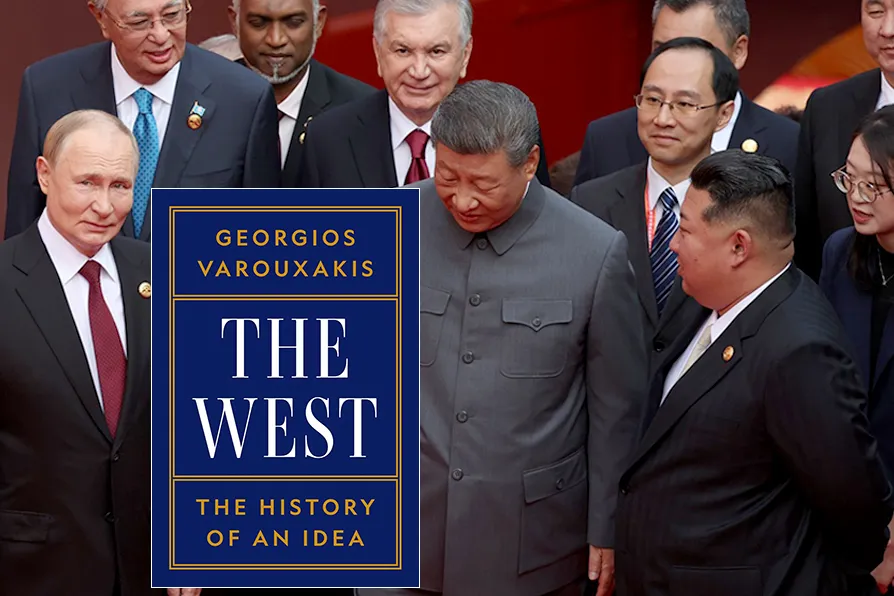
BRENT CUTLER is intrigued by the imperialist, supremacist and contradictory history of a word that is used all too easily
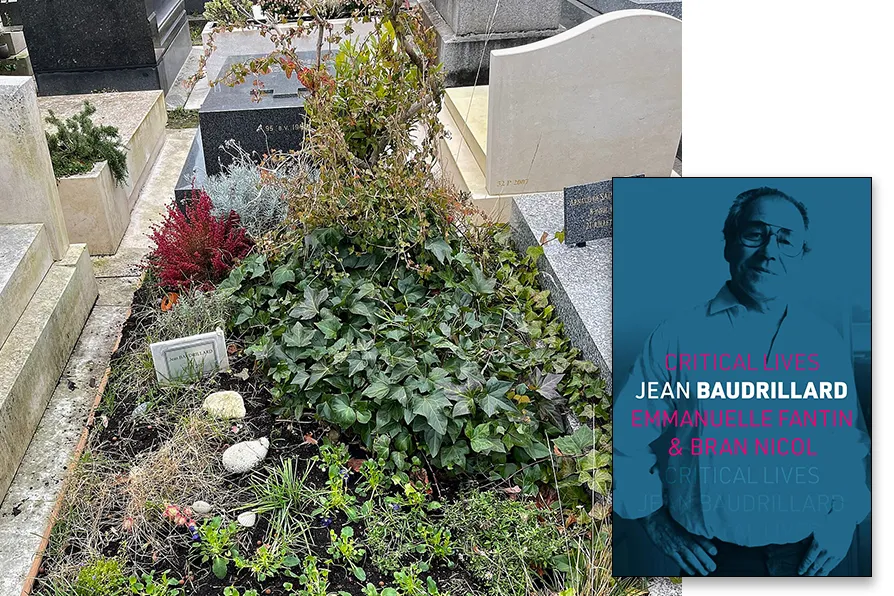
ALAN McGUIRE welcomes a biography of the French semiologist and philosopher