All the evidence shows voters want Labour to shift to the left — but initial signs from Andy Burnham are worrying on that front, cautions DIANE ABBOTT


 Latest editorial
Post-Brexit care worker shortage looms
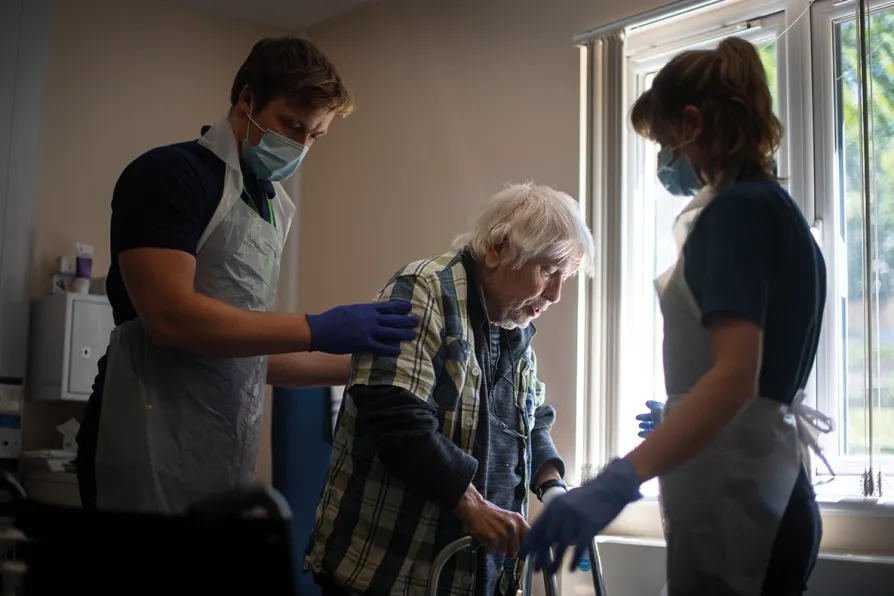
Having good social care is a life and death situation for disabled people and they must not become collateral damage in pursuit of the removal of freedom of movement, writes LINDA BURNIP

ANDY McDONALD MP says Labour must show it is capable of delivering real improvements in people’s lives — bold action is required
ANGUS REID and ANDREW JOHNSTONE report on an initiative that we must take this summer
ALLISON FEWTRELL on what Plaid Cymru's historic election victory means for the communities being failed by Wales’s housing crisis, and four things the new government can do right now
France Insoumise MP JEROME LEGAVRE speaks to Christophe Domec on building the Europe-wide peace movement that came together in the International Conference Against War last weekend
At last weekend’s International Conference Against War, LINDA PENTZ GUNTER talks to the Palestinian physician and politician about the struggles ahead to achieve a truly free Palestine


IN OCTOBER 2020 the government promised the House of Lords that an independent report into the ending of free movement and the social care workforce would be completed within six months — by the end of May 2021.
Disabled People Against Cuts (DPAC) is very concerned that as yet no plans have even been put in place for this to happen and the end of applications to the EU settlement scheme, which has been fraught with problems due to the pandemic, has now ended.
The social care sector includes a variety of employment options. The vast majority of social care workers work in care and nursing homes, or in domiciliary care where the workers go into disabled and older people’s own homes, for short periods of time to provide social care support.

Similar stories



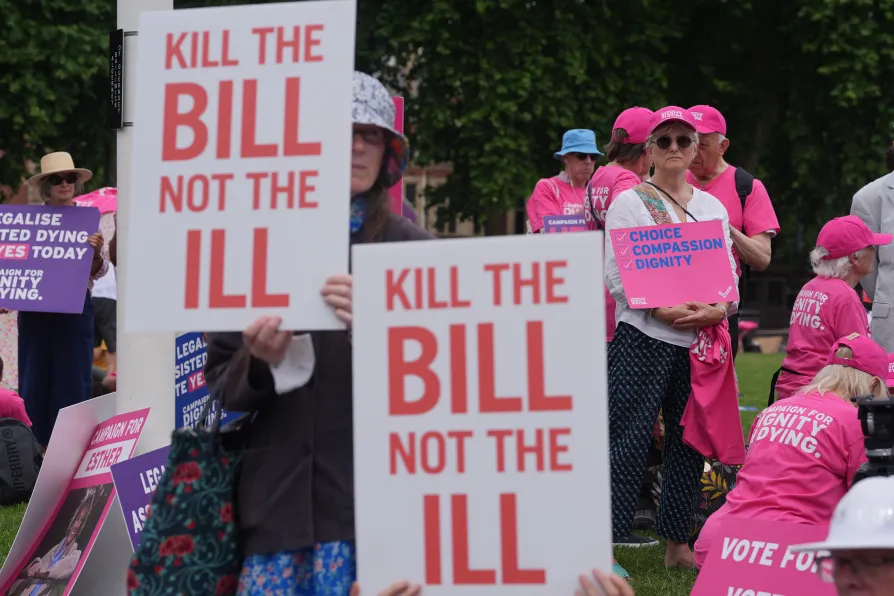
GEOFF BOTTOMS, who has worked in a palliative care hospice for 11 years, argues the postcode lottery for proper end-of-life care must be ended to give the terminally ill choice and agency