The Tories introduced the 50% strike ballot threshold to make industrial action harder. MATT WRACK argues that a Labour government has no justification for leaving it on the statute book


 Latest editorial
The aims of Barbarossa
The unflinching heroism and sacrifice of the USSR in stopping the Nazis’ genocide on the Eastern Front must never be diminished by those trying to score political points, writes PHIL KATZ in the final part of his anniversary article
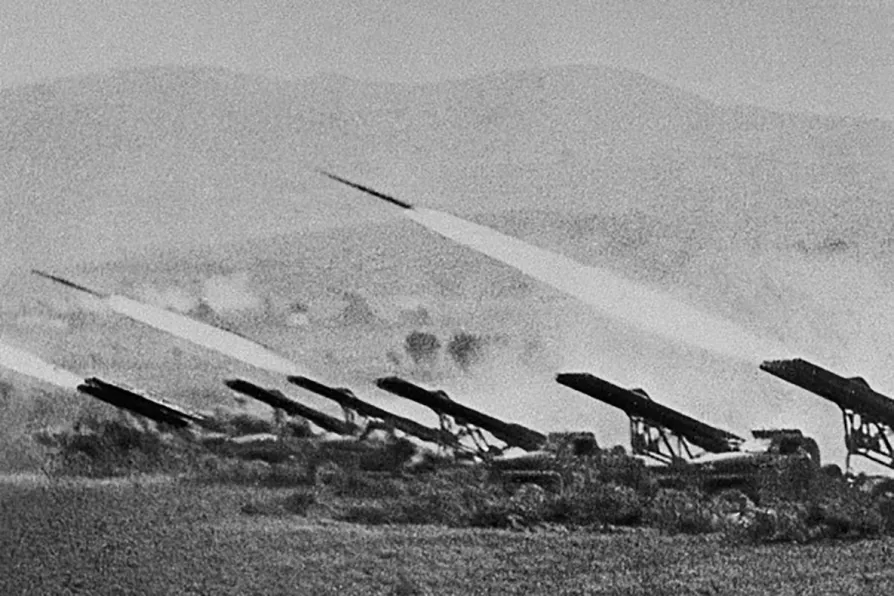 A battery of Katyusha rocket launchers firing at the enemy, German forces, during the Battle of Stalingrad in 6 October 1942

In the wake of Ann Widdecombe’s murder, JOHN GREEN wonders whether the government will really get to grips with the root cause of these attacks on our MPs
The new PM’s opening addresses offered hope, council homes and reform — but little detail on how any of it will be delivered, warns CLAUDIA WEBBE
Despite the screeching from the right-wing media, Burnham’s speech chimed with the public mood - and socialists should take advantage, says Morning Star editor BEN CHACKO
Scotland's Labour leader cannot continue to evade responsibility for the party's decline, argues LAUREN HARPER
Nature as well as society works dialectically, asserts the Marx Memorial Library and Workers’ School


THE Nazi invasion of the Soviet Union 80 years ago was based on three strategic objectives — Leningrad in the north, Moscow in the centre and the oilfields of Baku in the south. It was to be a war of extermination. The specific battle order to ordinary soldiers includes the word “annihilation.”
Moscow was to be flooded and covered over. A research group attached to Barbarossa was calculating how long it would take to starve all the inhabitants of Leningrad to death. One million died, 90 per cent through starvation.
Up to 30 million Ukrainians were to be starved to death with their land and property given over to resettled Germans. This was the reality of Lebensraum. All Jews would be killed. With the notorious Commissar Order all communist officials would be killed.

Similar stories
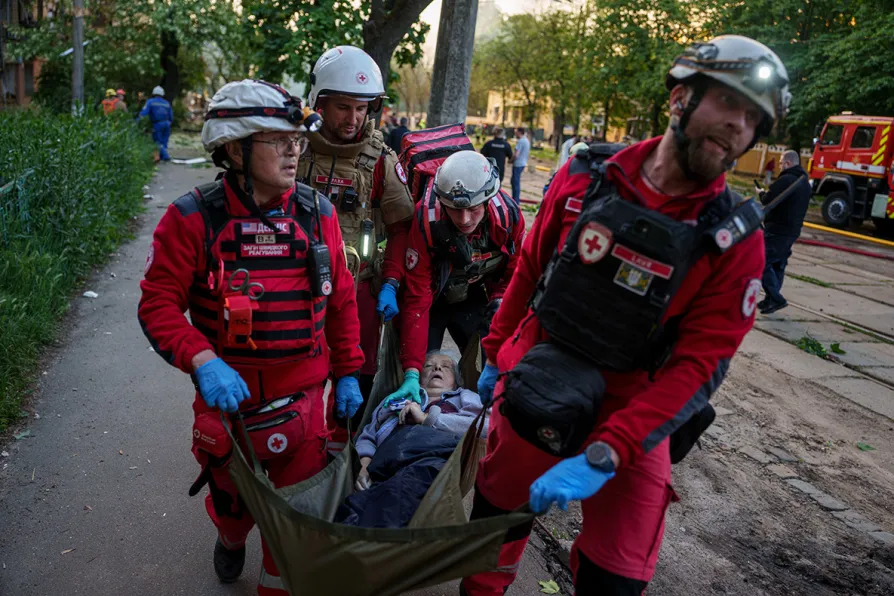
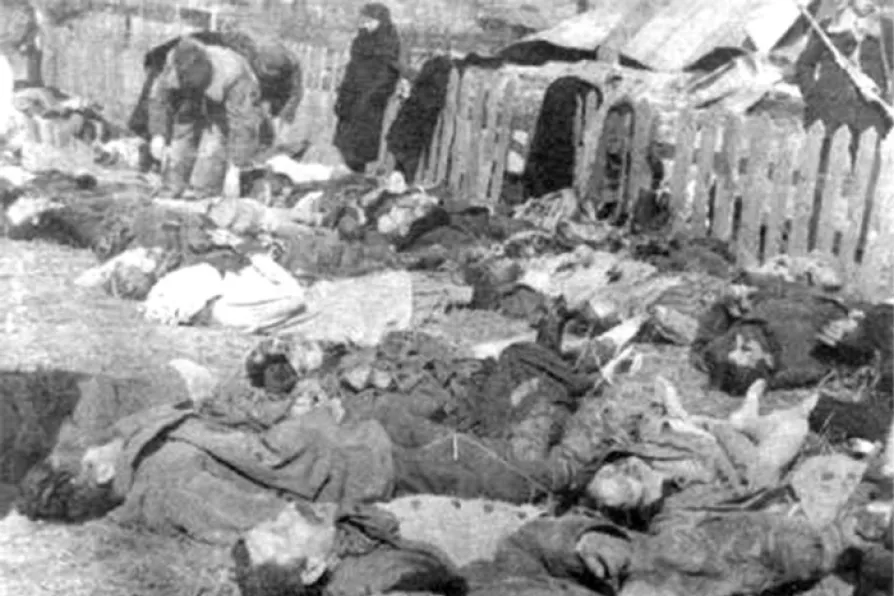
Poland’s anger over Ukraine’s celebration of the Nazi collaborationist UPA reflects more than historical grievance, says KENNY COYLE
![Richard Baxell speaking at the Marx Memorial Library in London [Pic: Karl Weiss]](https://morningstaronline.co.uk/sites/default/files/styles/desktop/public/2026-07/RichardBaxell22Jul23.jpeg.webp?itok=HCh8iPRb)
Driven by anti-fascism and anger at Britain’s policy of non-intervention, thousands volunteered to fight in the Spanish civil war. Historian RICHARD BAXELL reflects on their sacrifices and enduring significance

In a speech to the 12th Xiangshan Forum in Beijing, SEVIM DAGDELEN warns of a growing historical revisionism to whitewash Germany and Japan’s role in WWII as part of a return to a cold war strategy from the West — but multipolarity will win out