To rescue Kahlo from the clutches of the corporate art market, we need to acknowledge the overt and covert political dimensions of the work, demands GAVIN O’TOOLE


Timely reminder of co-operation between Britain and the USSR against a common enemy in WWII
COLIN TURBETT, author of a new book on the Anglo-Soviet Alliance against Nazism, explains its ongoing significance as its 80th anniversary is marked
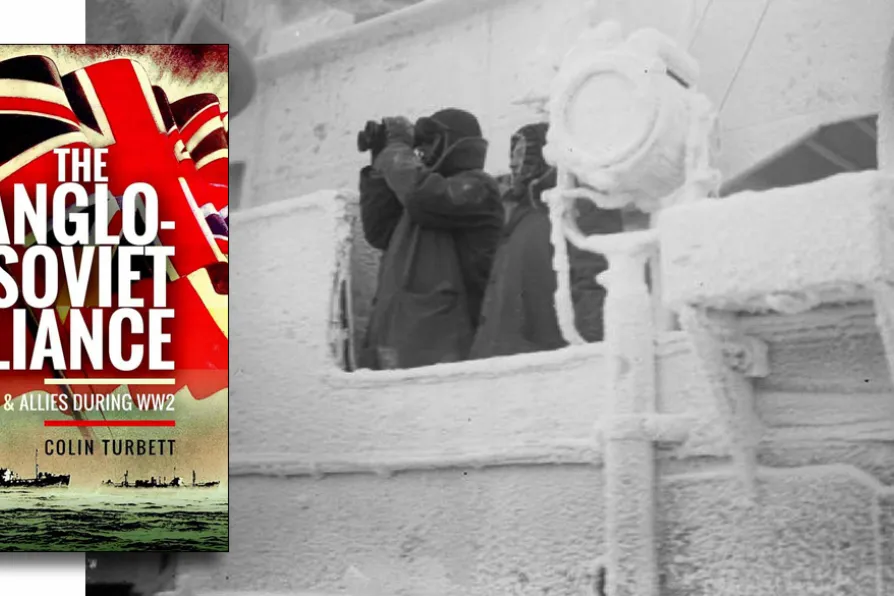
 Aboard HMS Sheffield during an Arctic Convoy escort patrol, December 1941
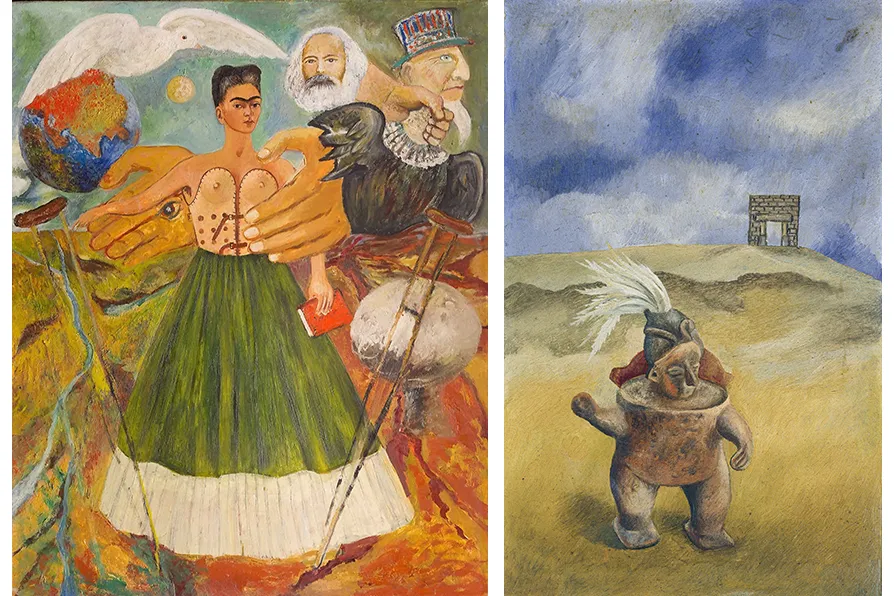
If you can see past the relentless commodification you will be rewarded by enormously powerful work, suggests JENNY MITCHELL
CHRIS SEARLE revels in the one-off collaboration between an American polymath and a British Muslim, and detects the presence of their revolutionary forebear
GORDON PARSONS revels in an ebullient production of Shakespeare’s magical comedy
BRENT CUTLER welcomes a thoughtful analysis of the Erdogan regime, viewed through the evolving history of a neighbourhood in Istanbul
GORDON PARSONS regrets the price, but is dazzled by an outstandingly ambitious study of the way art restoration in particular, and culture in general was weaponised by the Nazis


WITHOUT warning on June 22 1941, the invading forces of Nazi Germany poured across the Soviet border into Ukraine and Byelorussia and then into western Russia.
Despite a heroic defence, Soviet forces were initially overwhelmed and Hitler looked forward to an easy victory. Britain at that point stood almost alone, enjoying US lend-lease assistance — often involving redundant and outdated equipment — but with no ally of substance on the military front.
Recognising an opportunity, prime minister Winston Churchill immediately made overtures to the USSR that were gradually formalised into an alliance of huge importance for the successful outcome of the war.

Similar stories
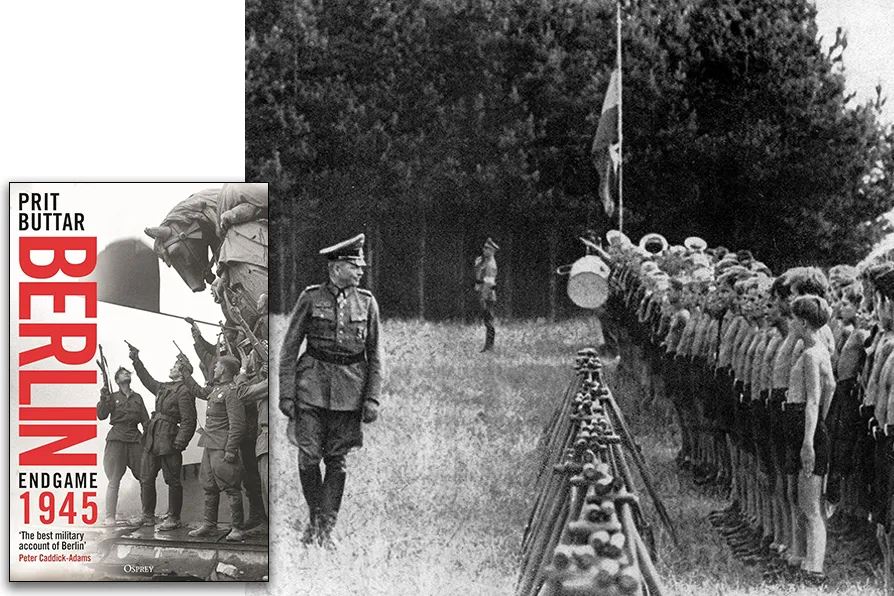
WILL PODMORE admires an account of the liberation of Berlin that overthrows the conventional US army-inspired account
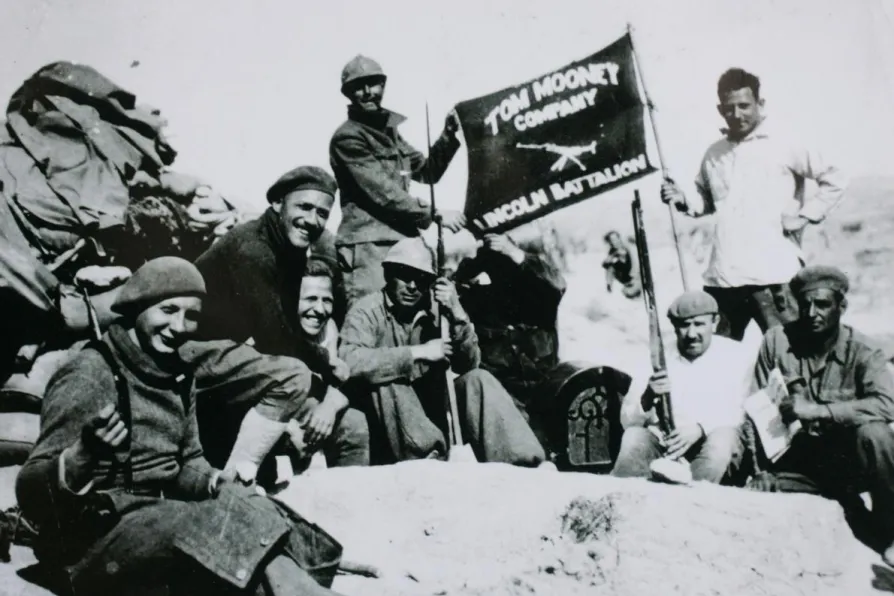
CJ ATKINS commemorates one of the most dramatic moments in working-class history

In a speech to the 12th Xiangshan Forum in Beijing, SEVIM DAGDELEN warns of a growing historical revisionism to whitewash Germany and Japan’s role in WWII as part of a return to a cold war strategy from the West — but multipolarity will win out

Corbyn and Sultana’s ‘Your Party’ represents the first attempt at mass socialist organisation since the CPGB’s formation in 1921, argues DYLAN MURPHY