
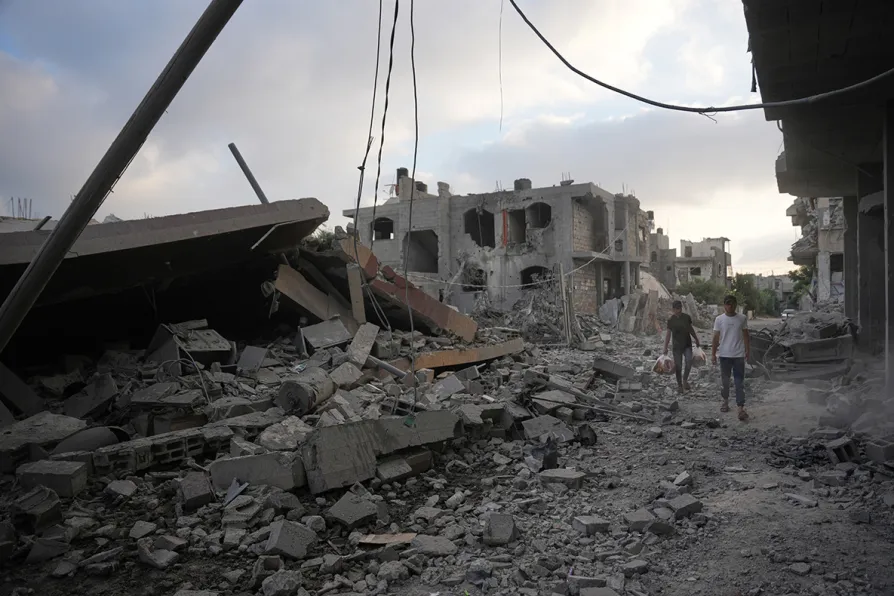
While international actors discuss governance and reconstruction, Netanyahu has made it clear that Israel has no intention of ending its military occupation, says RAMZY BAROUD

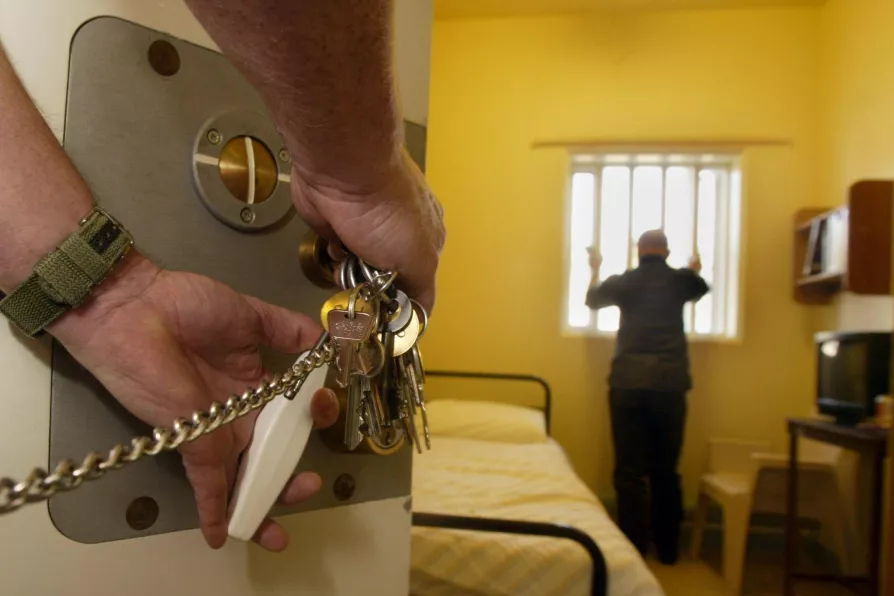
Solitary confinement is a crime
SARA CALLAWAY and SAM WEINSTEIN report on the growing movement to end ‘isolation torture’ in British and US prisons

NICK WRIGHT continues his series analysing the trends in European politics
We have the alternative economics, histories of our struggles and the confidence to change the world
General Federation of Trade Unions assistant general secretary HENRY FOWLER reports on the final day from the GFTU’s residential Summer School at the Workers’ Retreat, Quorn Grange Hotel
Capitalism has exploited — and polluted — our natural resources for too long, it’s time we treated our rivers as living beings, writes MIRIUM GAUNTLETT, LIAM SHAW and ROX MIDDLETON
Treating the Clacton by-election as a joke risks reinforcing the Reform leader’s claim to be the victim of an out-of-touch Establishment, argues JOHN McINALLY
MPs and others called for the urgent release of tortured Palestinian doctor, Hussam Abu Safiya, held hostage by Israel and reportedly near death, reports LINDA PENTZ GUNTER


STARTING in 2010 a series of work and hunger strikes took place in US prisons involving thousands of prisoners. These actions culminated in 2012 in a historic statement — an Agreement to End Hostilities — issued by men held in long-term solitary in Pelican Bay State Prison.
It reads: “Beginning on October 10 2012, all hostilities between our racial groups…will officially cease… We can no longer allow [the California Department of Corrections and Rehabilitation] to use us against each other for their benefit!”
They urged their families campaigning for them to also cease racial hostility.

Similar stories

As the US intensifies its economic and political pressure it is now vitally important to demand the British government intervene to end US aggression, writes GEOFF BOTTOMS
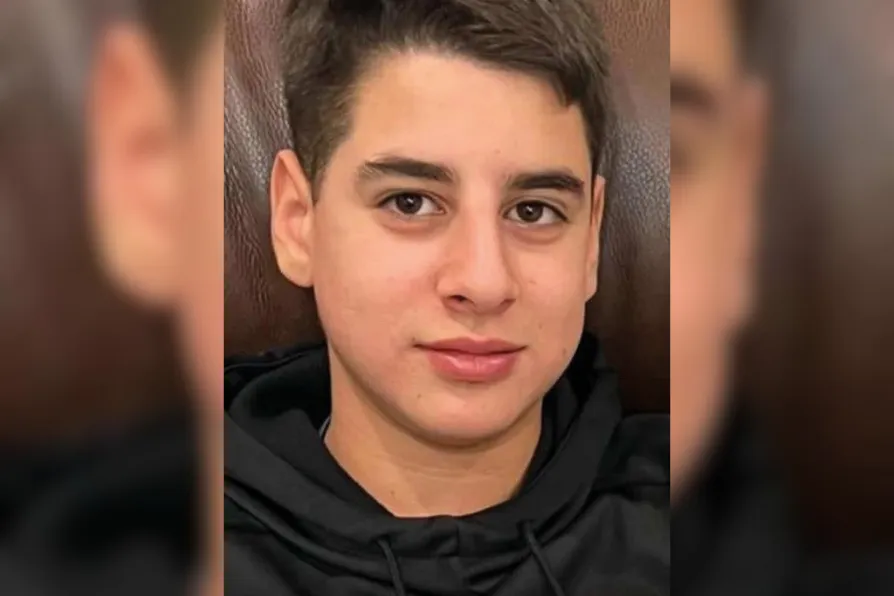
Groups are urging the US government to secure the 16-year old’s release as his mental and physical health decline dramatically after nine months inside Ofer prison, writes LINDA PENTZ GUNTER
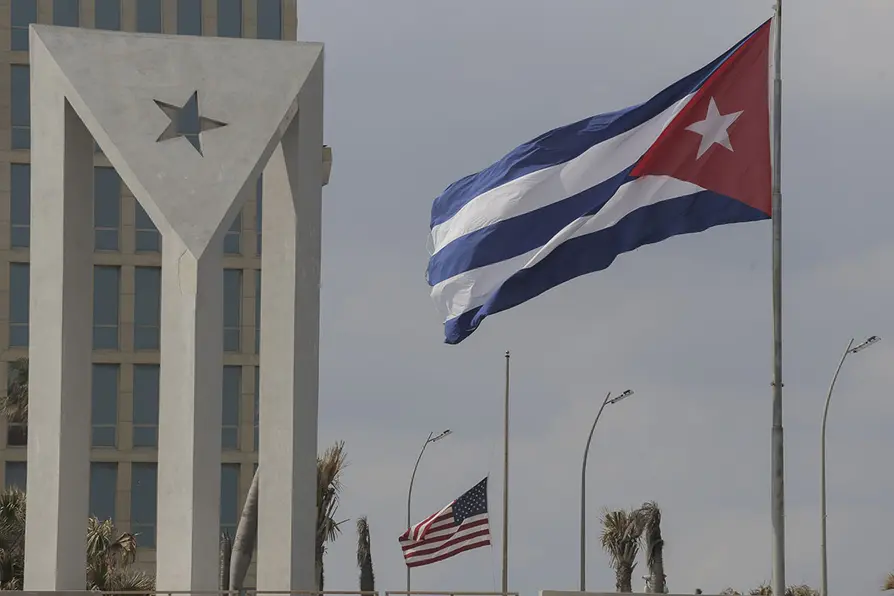
Where normally only the US and its ally Israel vote to strangle Cuba economically, there have been special efforts to slander and isolate the besieged socialist island nation year — so we must redouble our solidarity, writes TARIQ ANDERSON

Mental health fears push Peers to change law on IPP torture sentences, reports Charley Allan