

 Latest editorial
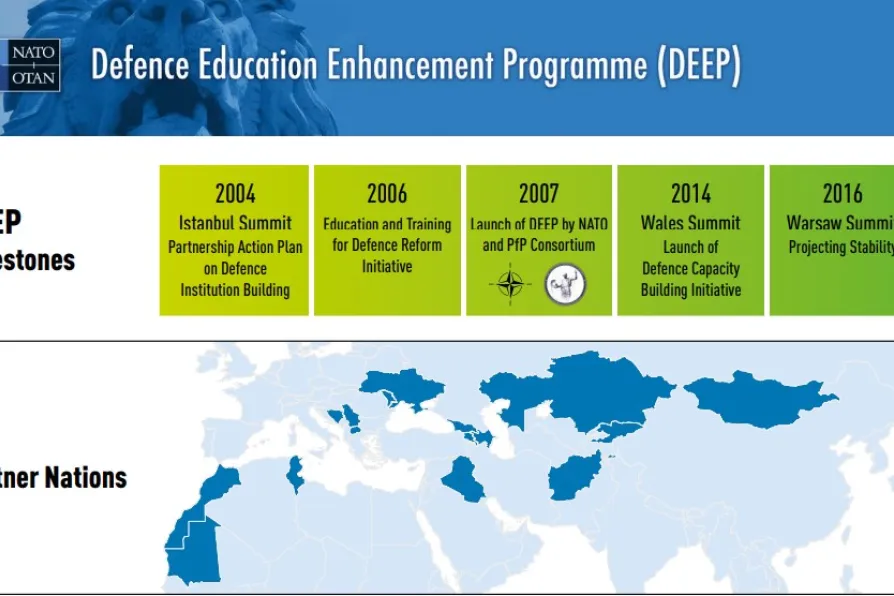 The Nato map showing Morocco’s border extending deep into the occupied territory of Western Sahara


NATO has inflamed simmering tensions in north Africa after its website showed a map with Morocco’s border extending deep into the occupied territory of Western Sahara, it was reported today.
The unexpected border change appeared in an article profiling Nato’s Defence Education Enhancement Endowment Programme (Deep) which first appeared on December 14.
It represents a change from previous maps which show Morocco within the UN-recognised borders, with Western Sahara separated from it by a line.

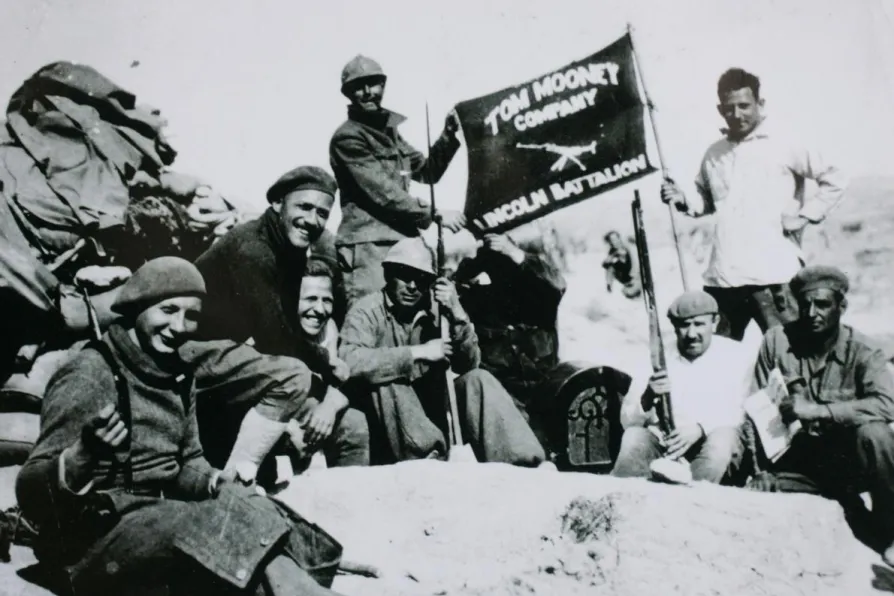
CJ ATKINS commemorates one of the most dramatic moments in working-class history

Forward’s rise as the tournament’s leading scorer reflects a journey shaped by heritage and belief as Morocco reach the final, writes JAMES NALTON
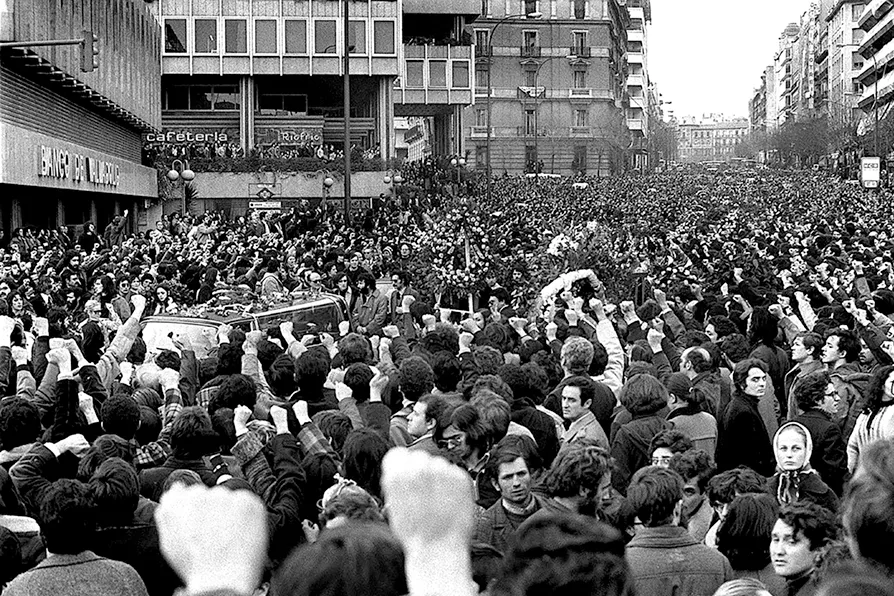
Spanish dictator Francisco Franco died 50 years ago today November 20. JIM JUMP looks back at his blood-soaked rule and toxic legacy on Spain today
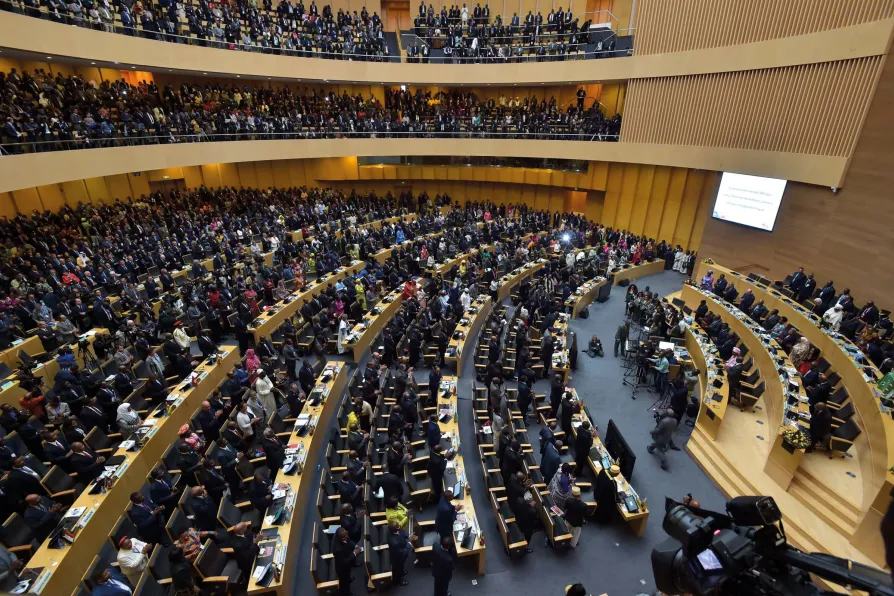
As the Alliance of Sahel States and southern African nations advance pan-African goals, the African Union must listen and learn rather than parroting the Western line on these positive developments, writes ROGER McKENZIE