DOUGLAS FIELD relishes the hard-boiled language, satire and humour of the third and last of the Harlem trilogy


 Latest editorial
Climate of fear
The Uninhabitable Earth paints a deeply disturbing picture of what lies in store if global warming goes unchecked, says IAN SINCLAIR
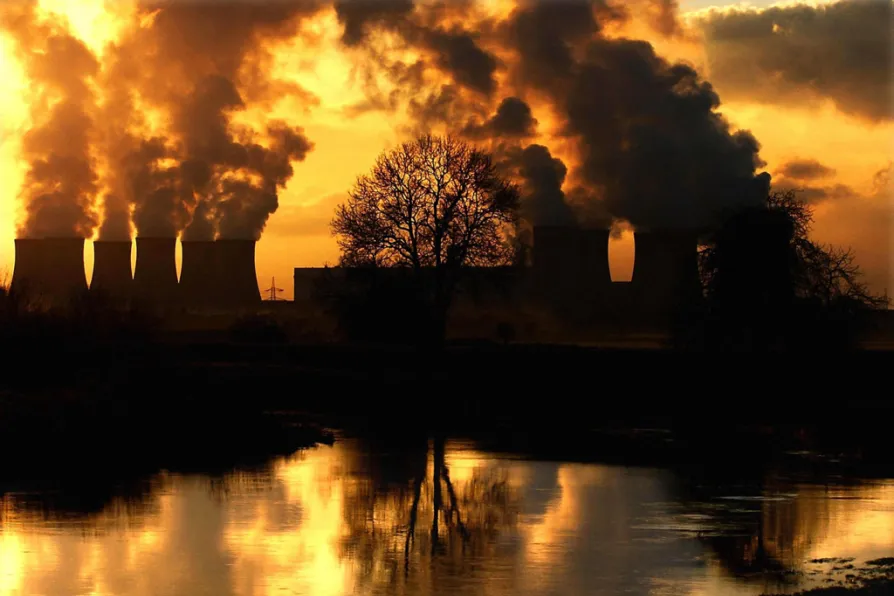 Existential crisis
STEPHANIE BROWN draws attention to the hidden labour of the female embroiderers, and how a 19th century replica made no such error
MIK SABIERS revels in a band that ploughs an idiosyncratic furrow of expletive laden, guitar-driven alt rock
ANDY HEDGECOCK, MARIA DUARTE and ANGUS REID review Synthetic Sincerity, Our Hero, Balthazar, Heartstopper Forever, and A Year In London
The bard invites readers to a gig, raps for Clacton, and lays out the Burnham-Hurzeler conundrum
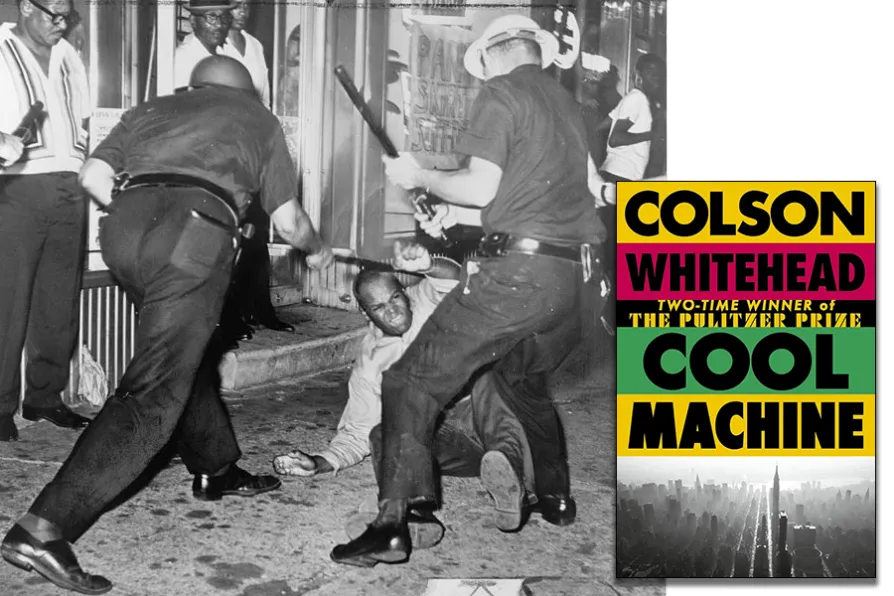
RON JACOBS recommends an important book that enhances the oppositional theories put forth by Fanon and, in doing so, remakes psychology itself


The Uninhabitable Earth: A Story of the Future
by David Wallace-Wells
(Allen Lane, £20)
CLEARLY intended to shock, last month the Guardian published a report warning that climate risks were similar to the 2008 financial crash.
The problem with this formulation, to partially quote the soon-to-be-iconic first sentence of The Uninhabitable Earth, is that “it is worse, much worse” than this. “What climate change has in store is not... a Great Recession or a Great Depression but, in economic terms, a Great Dying,” David Wallace-Wells argues in his book.

Similar stories
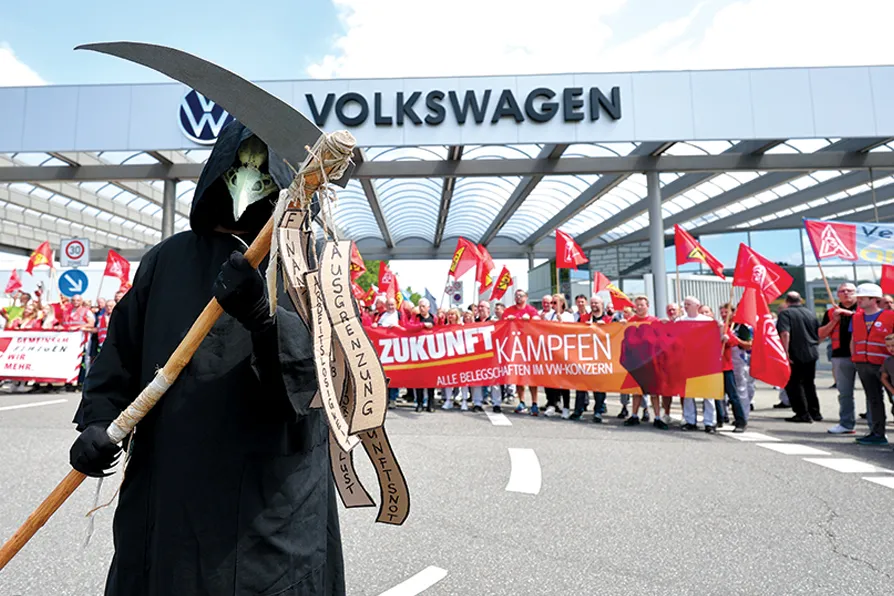
The future does not have to be climate chaos and social breakdown. MARC VANDEPITTE looks at the alternatives offered by the Global Justice Report, co-authored by Thomas Piketty
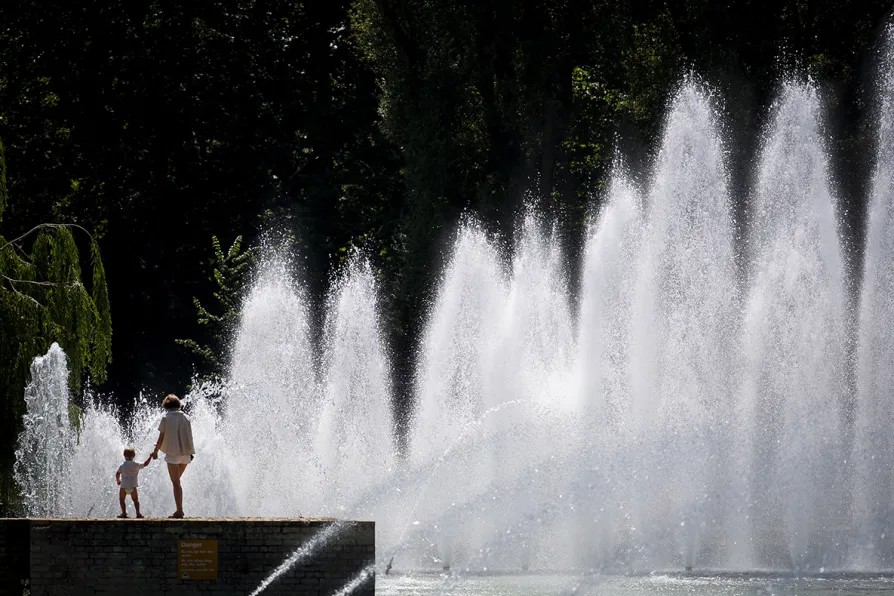
The recent heatwaves revealed how ill-prepared Britain remains for a hotter future – and how unequal the ability to cope with it has become, write ROX MIDDLETON, LIAM SHAW and MIRIAM GAUNTLETT
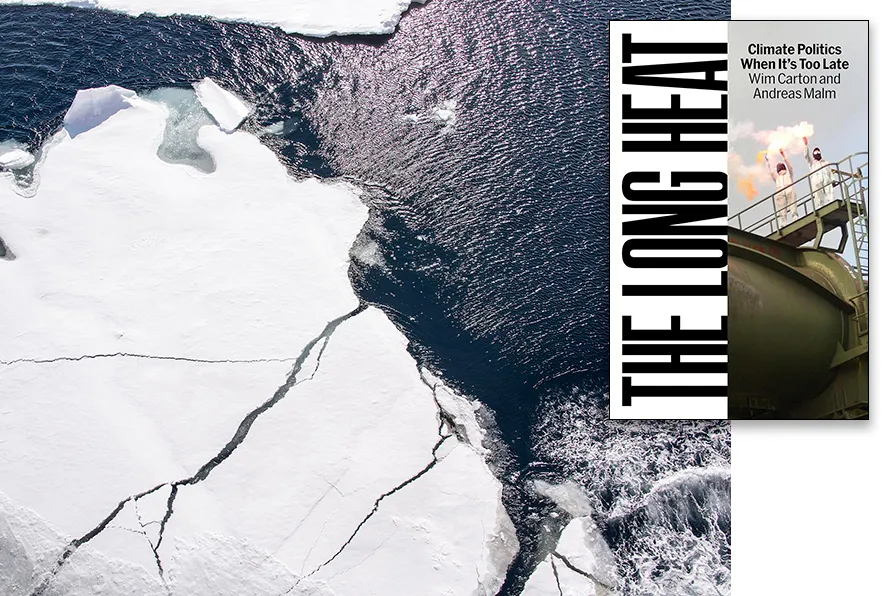
IAN SINCLAIR recommends an important and timely book for climate politics right now and in the future
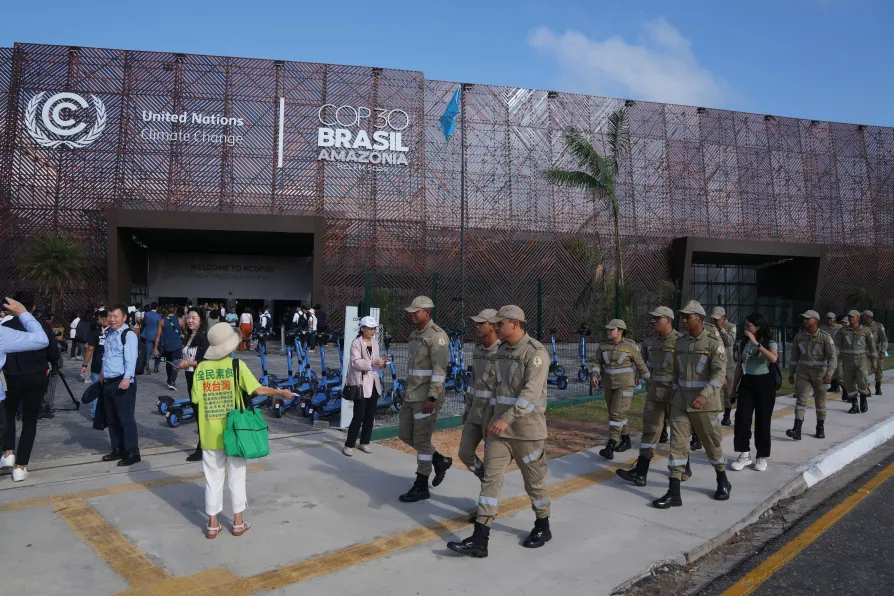
Reaching co-operation is supposed to be the beginning, not the end, of global climate governance, argues LISA VANHALA