

 Latest editorial
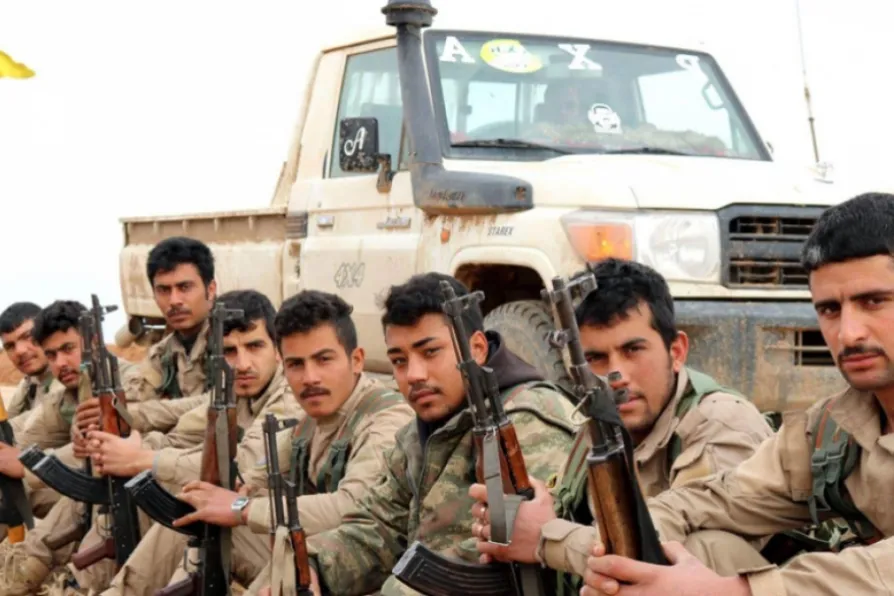 Kurdish YPG fighters sit by a truck somewhere in Syria
[Kurdishstruggle/Creative Commons]
Kurdish YPG fighters sit by a truck somewhere in Syria
[Kurdishstruggle/Creative Commons]


KURDISH forces have reportedly struck a deal with the Syrian army in northern Syria which could signify a major shift in relations towards President Bashar al-Assad’s government.
A preliminary agreement was made between the Syrian Arab Army (SAA) and the Kurdish-led People’s Protection Units (YPG) after government officials met with Kurdish delegates in the capital Damascus and Qamishli on yesterday.
Under the terms of the deal the YPG has agreed to remove all posters of Kurdish leader Abdullah Ocalan from the streets and areas under their control in Al-Hasakah.

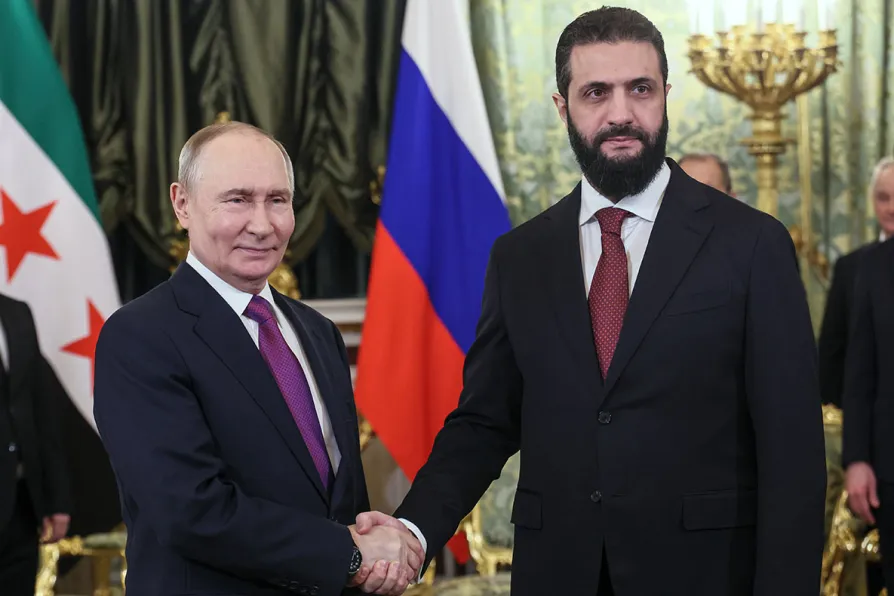
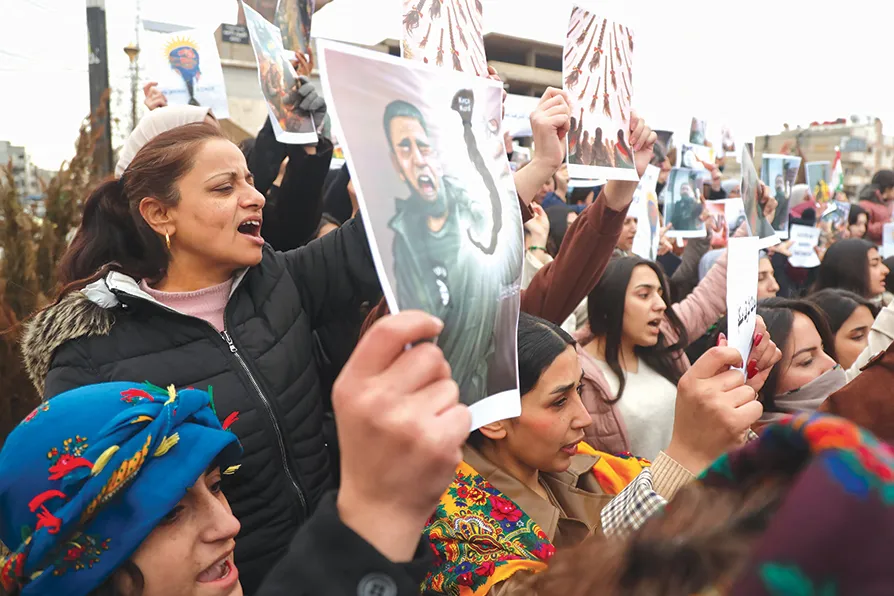
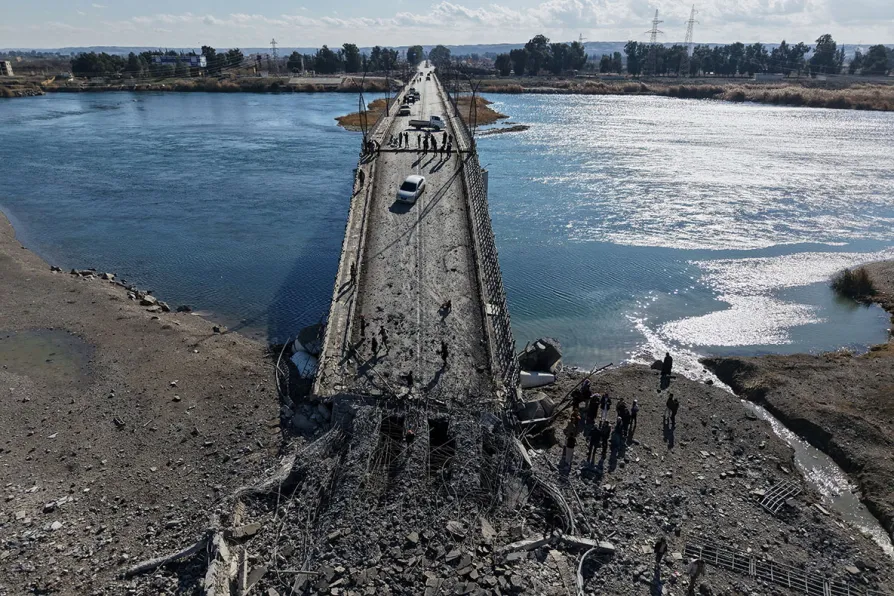
VIJAY PRASHAD details how US support for Syrian President Ahmad al-Sharaa allowed him to break the resistance of the autonomous Syrian Democratic Forces (SDF)
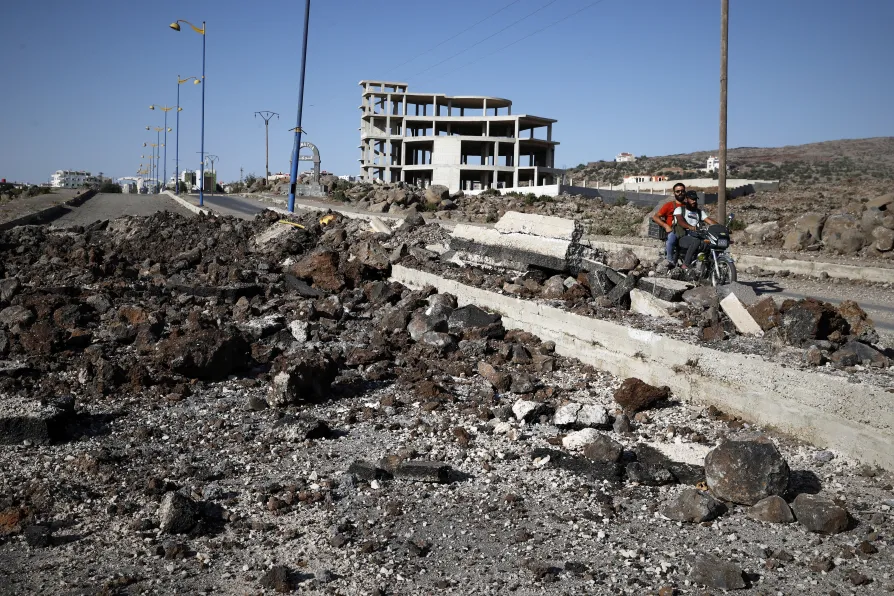
VIJAY PRASHAD looks at the web of militias and drug-trafficking gangs that emerged in the Sweida region through the Syrian civil war, and how they relate to recent clashes and Israel’s intervention