The Tories introduced the 50% strike ballot threshold to make industrial action harder. MATT WRACK argues that a Labour government has no justification for leaving it on the statute book


 Latest editorial
Colombia's insurgency resumes: why Segunda Marquetalia, a wing of the Farc, have returned to war
Inside a base in the Catatumbo mountains, OLIVER DODD speaks to Comandante Villa Vazquez in the first ever face-to-face interview with a senior figure in the recently re-established guerilla army
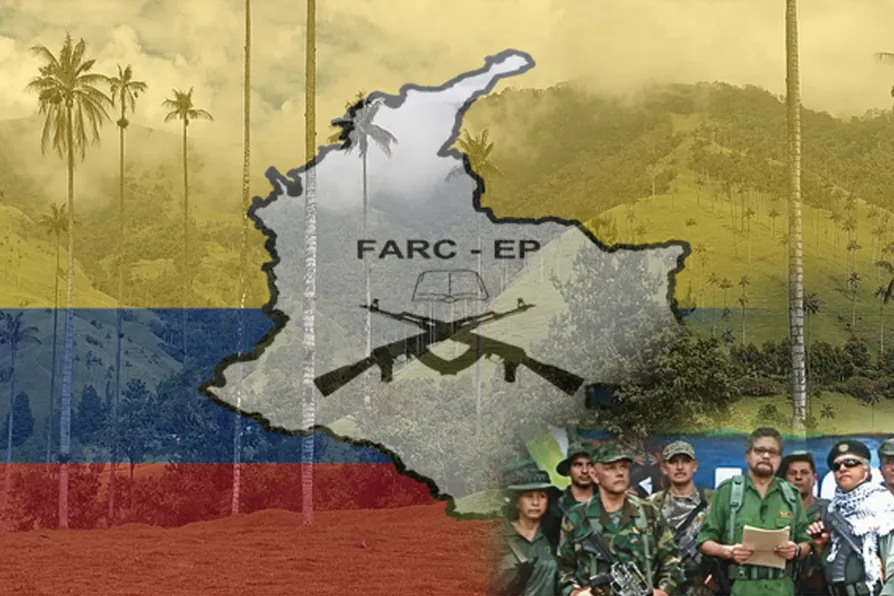 Although its is currently a fraction of the size of the original Farc, the Colombian government's failure to implement structural reforms and follow the 2016 peace agreement has driven former combatants to take up arms
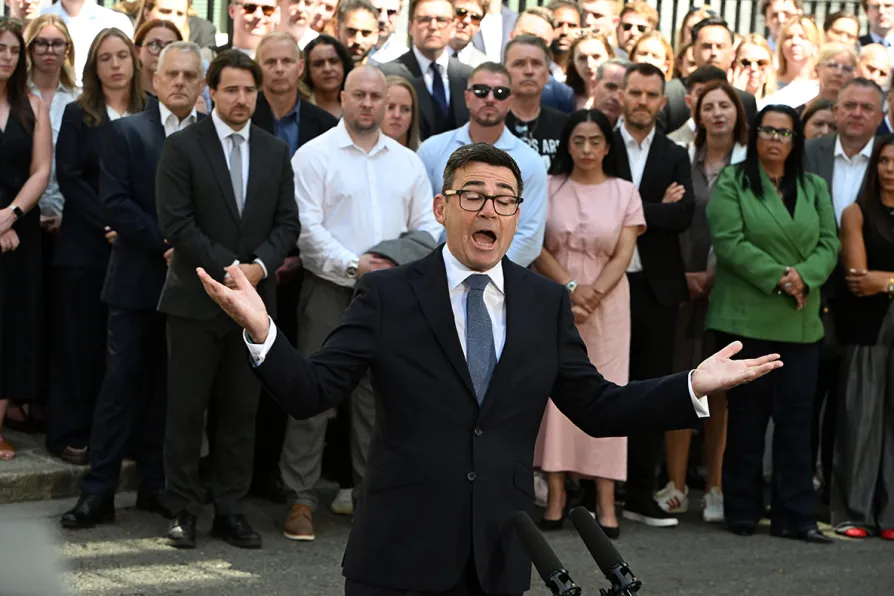
In the wake of Ann Widdecombe’s murder, JOHN GREEN wonders whether the government will really get to grips with the root cause of these attacks on our MPs
The new PM’s opening addresses offered hope, council homes and reform — but little detail on how any of it will be delivered, warns CLAUDIA WEBBE
Despite the screeching from the right-wing media, Burnham’s speech chimed with the public mood - and socialists should take advantage, says Morning Star editor BEN CHACKO
Scotland's Labour leader cannot continue to evade responsibility for the party's decline, argues LAUREN HARPER
Nature as well as society works dialectically, asserts the Marx Memorial Library and Workers’ School


DESPITE signing the 2016 peace deal that brought more than 50 years of war with the Revolutionary Armed Forces of Colombia (Farc) to an end, the nation’s establishment, including the right-wing government, have refused to implement the terms of the agreement.
Instead, the state and business community saw peace as an economic opportunity: with the biggest threat to capitalist accumulation out of the way, former Farc-controlled territories have become the veins through which multinational corporations have looked to expand through industries that have a heavy impact on the now-unprotected land and those who live off it.
Mining, logging, drilling for oil, palm-oil extraction, privatisation of fresh water sources, poaching and narco-traffickers have been laying waste to former Farc strongholds, forcing millions of peasants from their homes and into Colombia’s slums, where few jobs and little to no social security awaits them.

Similar stories
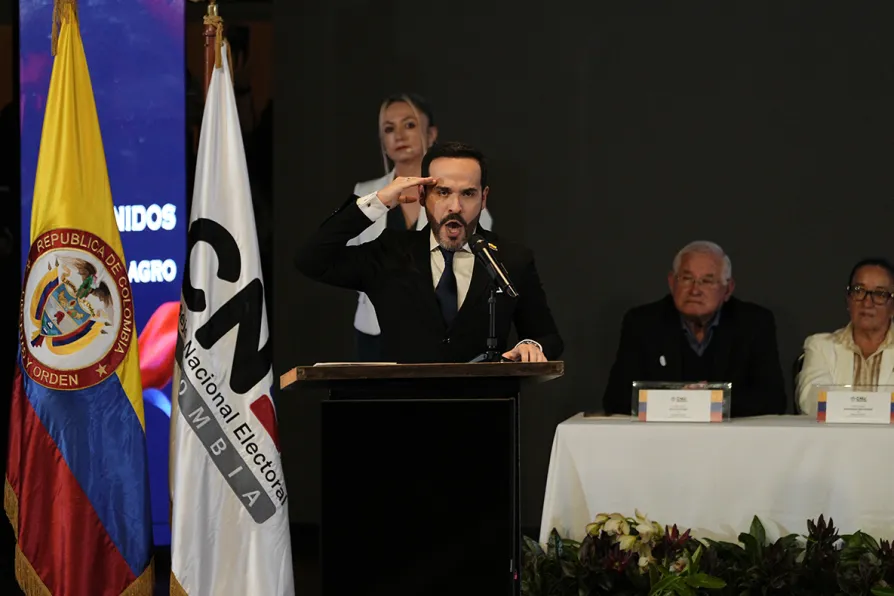
ENRIQUE SANTIAGO ROMERO says the Colombian far-right’s election victory is deeply suspect — and the United States has its fingerprints all over it
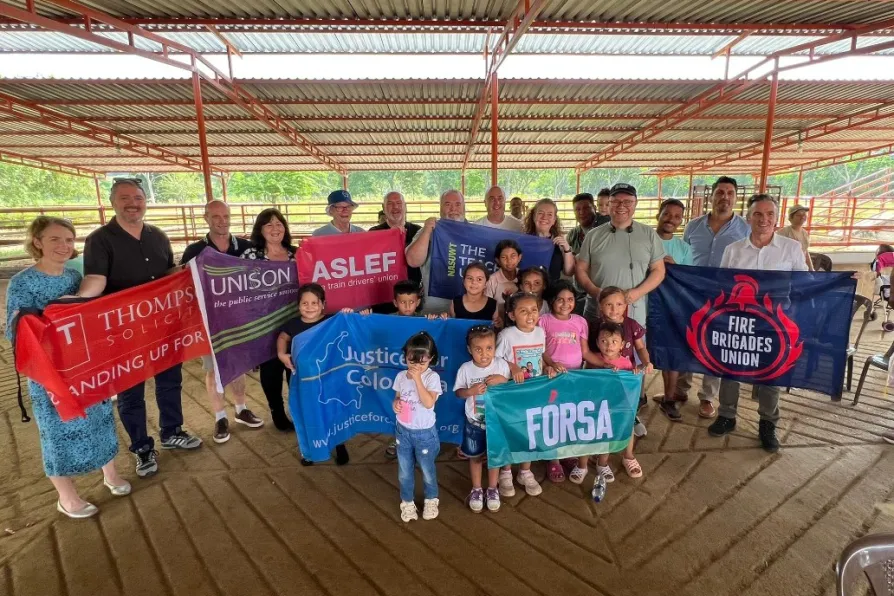
With Petro, Colombia has been making huge strides towards peace — but is all that at risk with the elections next year? MARK ROWE reports back after joining a delegation to the Latin American country
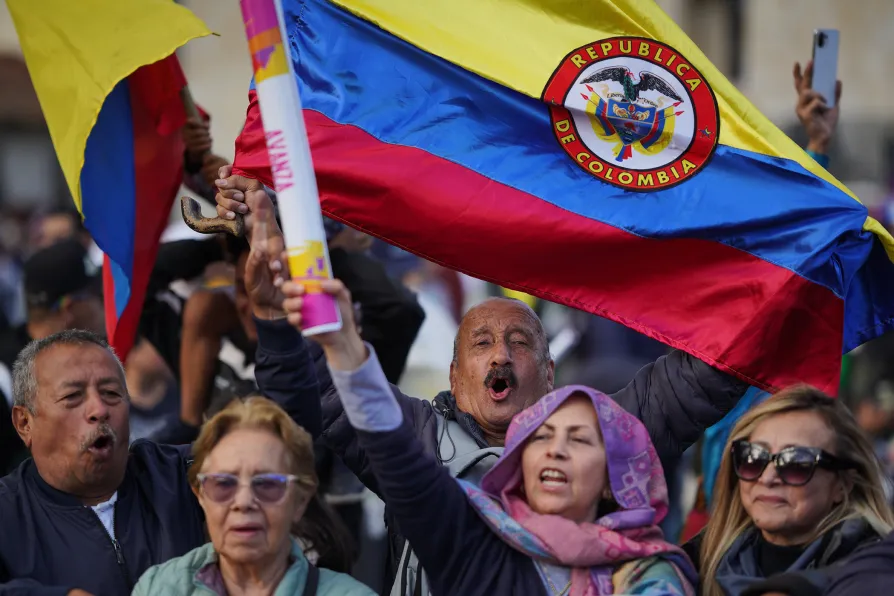
Colombia’s success in controlling the drug trade should be recognised and its sovereignty respected, argues Dr GLORY SAAVEDRA
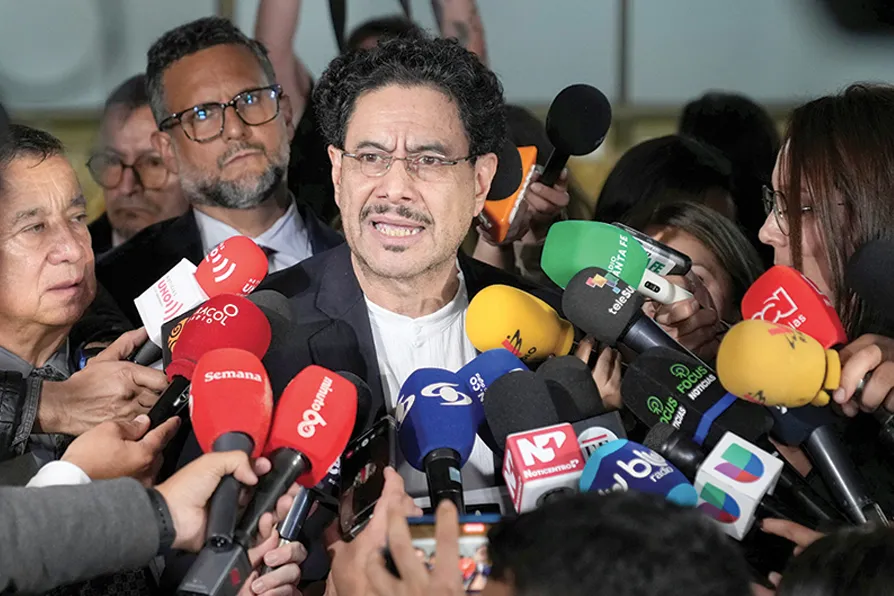
Alvaro Uribe is found guilty of witness tampering and procedural fraud, reports NICK MACWILLIAM