

 Latest editorial

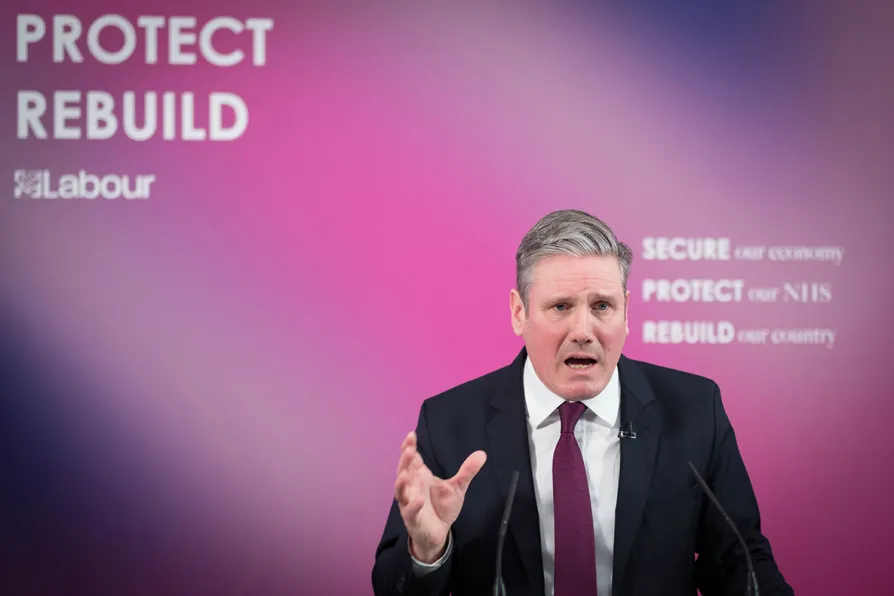 Labour leader Sir Keir Starmer delivers a virtual speech in January
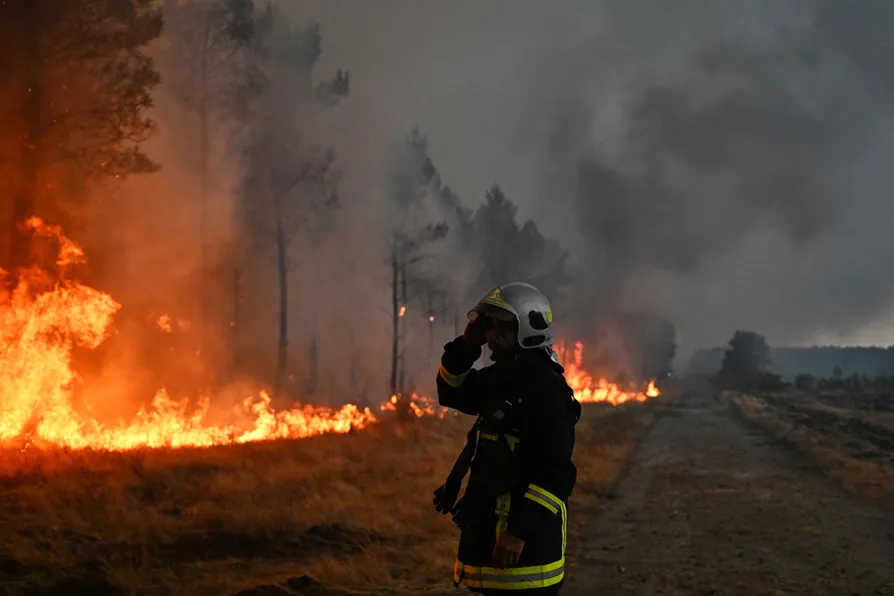
Waiting for the grander vision to emerge


MPs writing to warn Keir Starmer that a decision to indefinitely delay the Forde inquiry risks giving the appearance of indifference to anti-black racism within Labour are right to do so.
They highlight just one of the many important issues raised in the report leaked last Easter on Labour’s handling of anti-semitism allegations.
Martin Forde QC says the decision to postpone reporting is because he does not wish the internal inquiry to prejudice an Information Commissioner’s Office (ICO) investigation.
This is unsatisfactory. Because the ICO probe is concerned primarily not with the content of the leaked report, but whether the leak itself constituted an illegal data breach.
For socialists, the scandal is not that the contents of the dossier were released into the public domain, but that a media that largely acts as a propaganda arm of the British Establishment continues to ignore, downplay or misrepresent what it exposed.
This was consistent and deliberate sabotage of the Jeremy Corbyn leadership of the Labour Party by powerful office-holders in the party headquarters.
One by-product of that sabotage was a failure to act on anti-semitism cases or implement the Chakrabarti report into anti-semitism in Labour; some of those culpable for failing to act later played a leading role in accusing Corbyn’s office of tolerating anti-semitism.
Aside from anti-semitism cases specifically, we should not forget what we learned from the report concerning the casual purging of thousands of Labour members, the disgusting abuse of members, staff and MPs by anti-Corbyn officials and, possibly most explosively, the diversion of party funds — contributed by members and affiliated unions — to accounts the party leadership knew nothing about, to concentrate election spending on defence of key right-wing MPs and hobble the leadership’s 2017 election strategy.
Conversations published in it demonstrate beyond any doubt that senior Labour officials were working to lose the 2017 election, and were in their own words “silent and grey-faced” with disappointment when it became clear the party had made big gains.
The announcement by the Labour in Exile Network of a “strike” by members during the coming local elections, in protest at the wave of suspensions and expulsions by the current Labour leadership, show the contempt for party members so obvious in the leaked report lives on in Starmer’s team.
So these are not matters of historical interest. They have a direct relevance to labour movement strategies today.
The extent of internal sabotage of the Corbyn leadership is an object lesson in the determination of the right to prevent the election of a socialist government.
It shows the futility of strategies that appeal to unity with the Labour right against the Tories, since the Labour right are far more comfortable with Tory governments than with concessions to the Labour left.
But the lengths the right went to to stop Corbyn also show the terror a resurgent socialism inspired in the crooked elite who run this country.
The advances made in 2017 prove that a clear and uncompromising socialist message and a campaign based on community engagement and local activism can work wonders despite all that.
Labour’s leadership is back in Establishment hands, and some of those suspended after the report was leaked have already been quietly readmitted.
Though the party’s poor polling has revived talk of leadership challenges, it remains unlikely that MPs will risk one, knowing that among members support for the left remains strong.
The socialist policies whose popularity was emphatically demonstrated in 2017 must be pushed despite the Labour leadership, as in 2017 they were pushed despite the Labour machine.
In Parliament the Socialist Campaign Group are doing just this with their important campaigning for a zero-Covid strategy, but the Palace of Westminster is where the working class is weakest.
The trade union movement must take the fight into workplaces and the politics of the street and town hall.

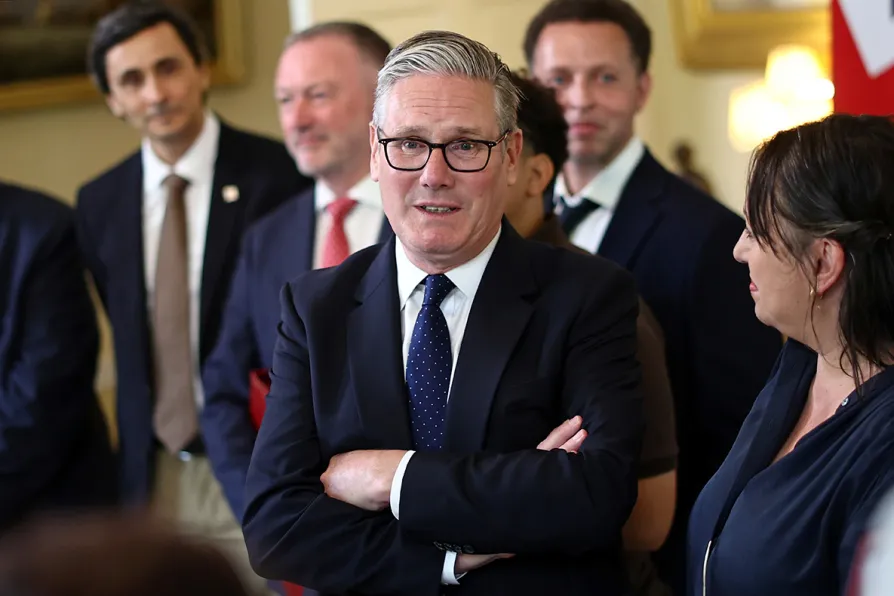
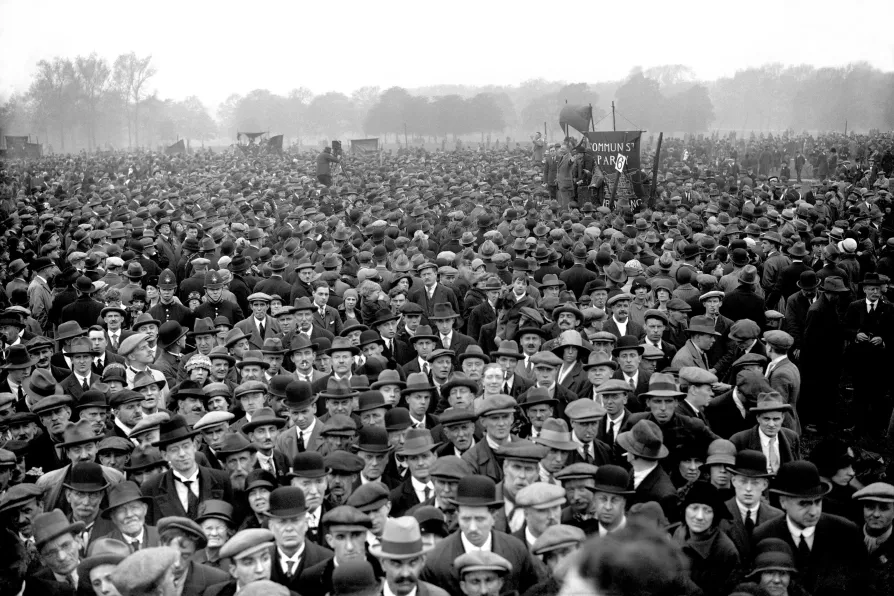
BEN CHACKO says in different ways, the centenary of the General Strike and that of Fidel Castro’s birth point to priority tasks for the British left in the coming year
In the final part of a serialisation of his new book, JOHN McINALLY explains how in 2018, after years spent rebuilding the PCS into a leading force against austerity, a damaging rupture emerged from within the union’s own left wing
