Latest editorial
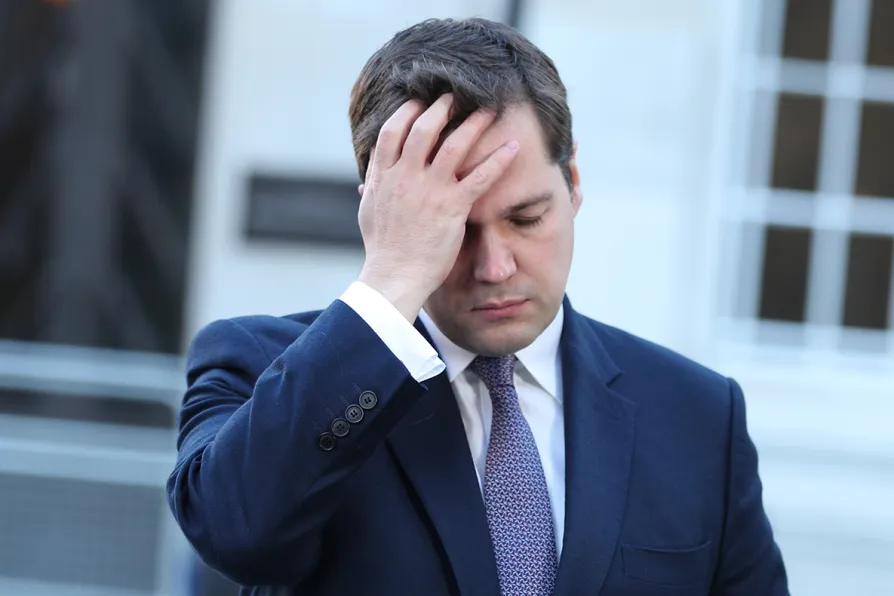 Housing Secretary Robert Jenrick
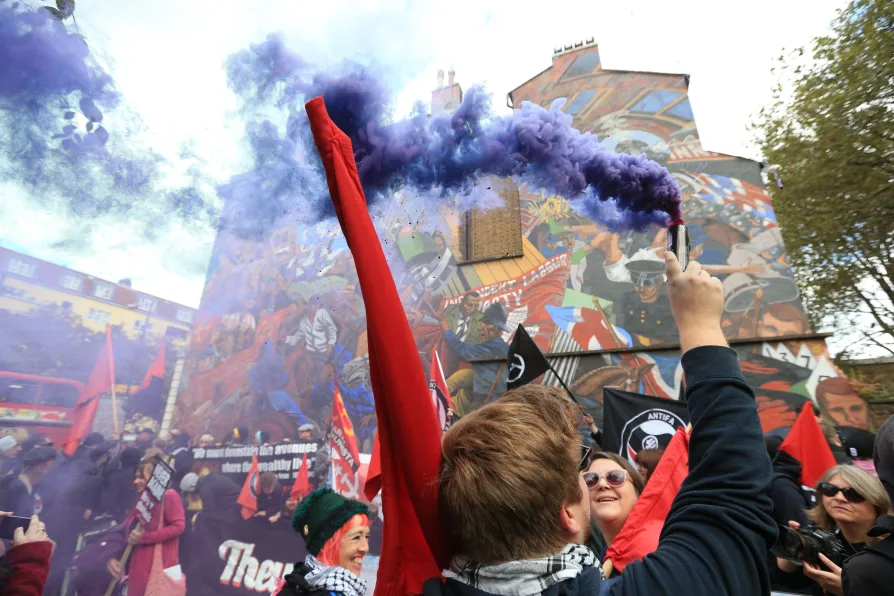


HOUSING SECRETARY Robert Jenrick disguises his betrayal of millions trapped in unsafe homes as about fairness to taxpayers.
More than three years since the corporate slaughter of the Grenfell fire that killed 72 people, ministers continue to evade their responsibility for the disaster and to address the ongoing risk to people living in similar death traps.
Jenrick waves a tax on residential property in order to pretend he is being tough on developers while citing the injustice of burdening innocent taxpayers with the costs of removing unsafe cladding in order to force everyone living in a building less than six storeys high to shoulder the costs themselves.
Reference to government-backed loans to help pay for removal only raises the spectre of further debt for families facing rising insurance and management service charges because of flaws in their homes that are not their responsibility.
Because many of those losing out are the owners (subject of course to heavy mortgage payments) of leasehold properties, rather than propertyless tenants, a larger than usual Tory rebellion is taking shape.
The powerlessness of leaseholders to resist extortionate charges from management companies answerable only to the freeholder of many urban residential blocks has attracted parliamentary notice for some time, though whether Keir Starmer’s Labour will stand by the party’s 2019 pledge to abolish leaseholds is unclear.
What it should do in calling out the government’s late, half-hearted support for cladding removal is demand a more comprehensive response to the Grenfell atrocity — one predicated on preventing future disasters.
As smoke rose from the ruins of Grenfell in 2017 plenty of op-eds drew attention to the fact that Grenfell residents died because they were poor — the Tory-run Kensington and Chelsea borough council ignored complaints from the tower block’s unwanted tenants that their homes were unsafe.
Some went further and pointed to decades of deregulation that have lifted or lightened safety requirements on construction firms.
The Fire Brigades Union has published detailed exposés of the weakening of regulation by the Thatcher, Blair and Cameron governments and “blurred lines between regulatory and commercial activity in the construction industry” including a revolving door between construction firms and regulators: the British Board of Agrément, responsible for issuing safety certificates for construction products, was actually chaired by the former chief executive of a firm, Celotex, that produced flammable insulation from 2008-16.
The Grenfell inquiry itself, though deliberately designed to avoid scrutiny of the role of deregulation, has heard from former Celotex employees that the company rigged tests and manipulated data to claim products had been rigorously tested for safety when this was not the case.
The buck-passing and demands for immunity that have dogged the inquiry are an indictment of an entire culture of outsourcing, cost-cutting and conflicts of interest that affects the whole building industry and all public procurement.
While the Labour front bench is prepared to condemn Tory double standards on assistance with cladding removal, it connives at Tory tactics to isolate the issue of cladding removal from the social and political context of Grenfell.
When the usual suspects chorused “don’t politicise the tragedy” in 2017, the left was united, with the Grenfell community, in the response: don’t dare depoliticise it. Politics is central to what happened that June night.
Yet now Labour calls for an “independent” cladding taskforce, reinforcing the technocratic fiction that bodies not directly accountable to voters are somehow less compromised.
We don’t need a taskforce but an overhaul of construction legislation, a reversal of cuts to fire services and a revolution in housing rights.
These are political demands that Labour can make. That Labour, not so long ago, was making.
They have the potential to unite a large majority of the population behind meaningful reform, rather than restrict the question to the relative rights of leaseholders in buildings of a certain height.

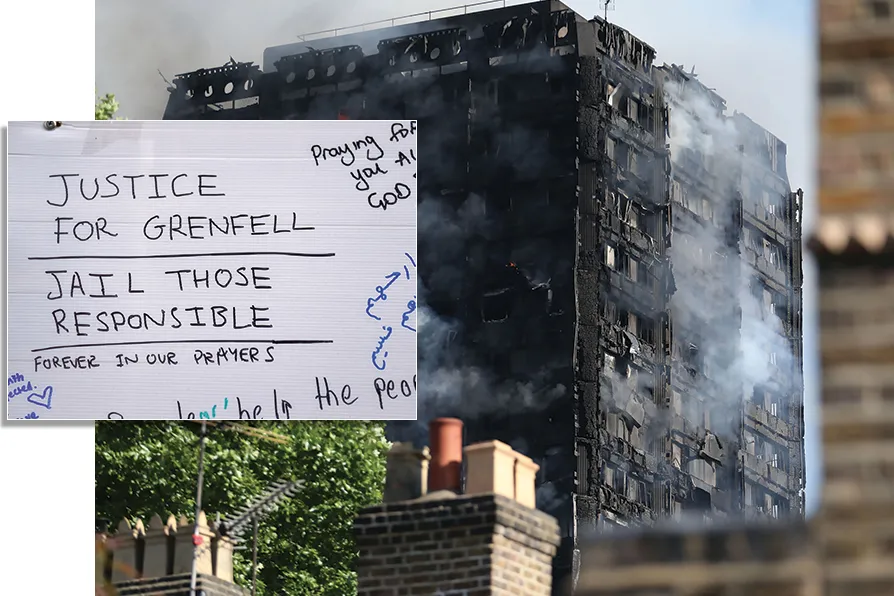
YVETTE WILLIAMS and JOE DELANEY dissect the institutional dawdling that rubbed salt into the Grenfell open wounds prolonging the agony of survivors
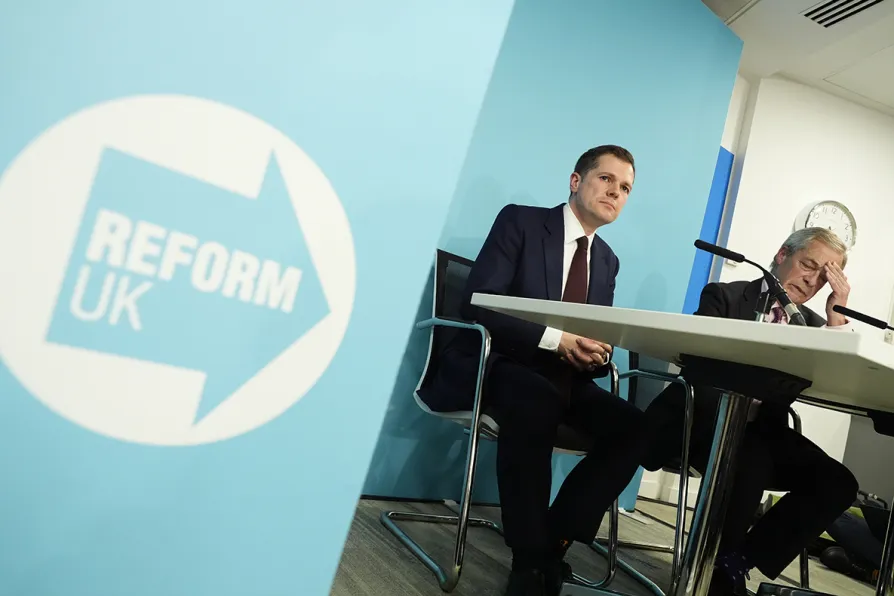
Once derided by Farage as a ‘fraud,’ Jenrick has defected to Reform, bringing experience and political ruthlessness to the populist right — and raising the unsettling prospect of a Farage-led movement with a seasoned operative pulling the strings, says ANDREW MURRAY
It is rather strange that Labour continues to give prestigious roles to inappropriate, controversy-mired businessmen who are also major Tory donors. What could Labour possibly be hoping to get out of it, asks SOLOMON HUGHES