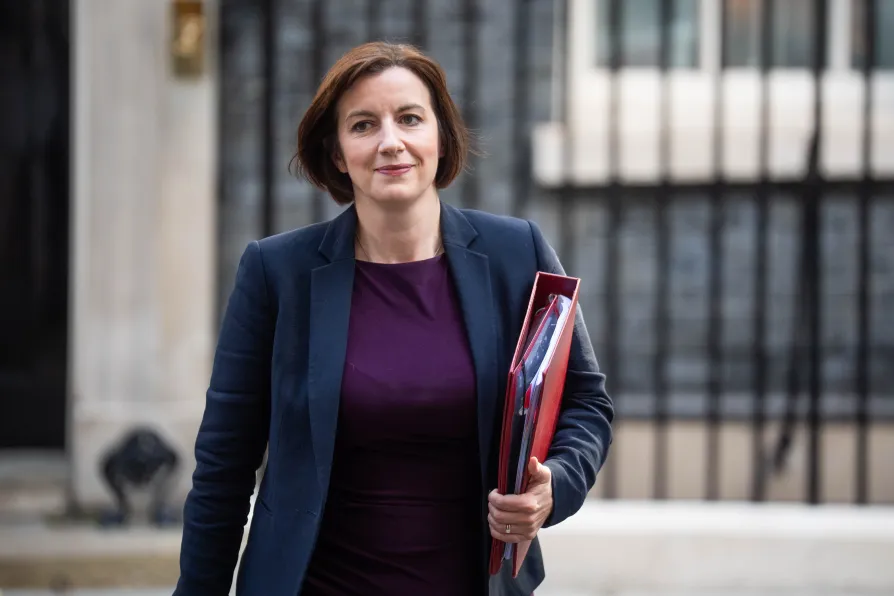
In the wake of Ann Widdecombe’s murder, JOHN GREEN wonders whether the government will really get to grips with the root cause of these attacks on our MPs


 Latest editorial

In the wake of Ann Widdecombe’s murder, JOHN GREEN wonders whether the government will really get to grips with the root cause of these attacks on our MPs
Despite the screeching from the right-wing media, Burnham’s speech showed that far from being stuck in the past — he’s learning from it, says Morning Star editor BEN CHACKO
Nature as well as society works dialectically, asserts the Marx Memorial Library and Workers’ School
Rising temperatures and human activity are making life far harder for these vital pollinators. ALEX DITTRICH explains
Lesbians and Gays Support the Miners co-founder MIKE JACKSON talks to Matt Kerr about the enduring power of Pride, protest and trade unionism
Behind the language of military strategy is a confrontation that risks drawing the wider Middle East into war, says STEVE BISHOP


SCOTLAND’S constitutional debate casts a long shadow over its politics. Next May’s Holyrood elections will see the SNP seek a mandate for a second independence referendum. This will suit the Tories. The shrinking political agenda combined with the narrowing constitutional options crowd out other issues and options.
This does not mean that the constitution is unimportant or should not ignored. Constitutions frame political debate and carry inherent biases. But constitutional politics need to be grounded in debates on the kind of society and economy we want.
The current binary choice — independence vs the status quo — distorts debate. Instead of starting by asking what kind of society we want and then considering where constitutional power should lie, it starts and ends by arguing over where power should lie. It discourages serious public policy debate and gives impetus to a battle between Scottish and British identities that plays more on emotions than reasoned considerations.

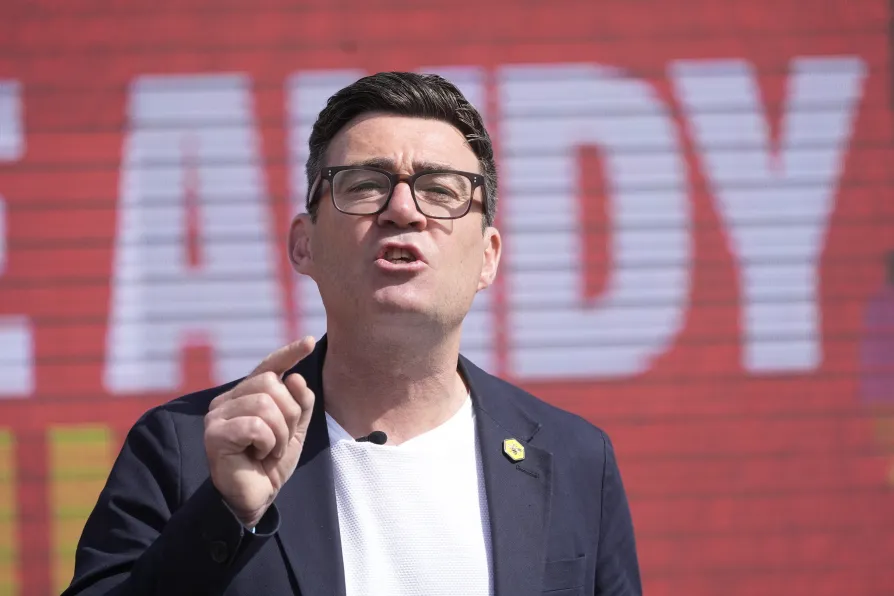
Burnham’s Makerfield triumph offers the party the opportunity to reconnect with working people, but only if it rejects business as usual, says CAROL MOCHAN MSP
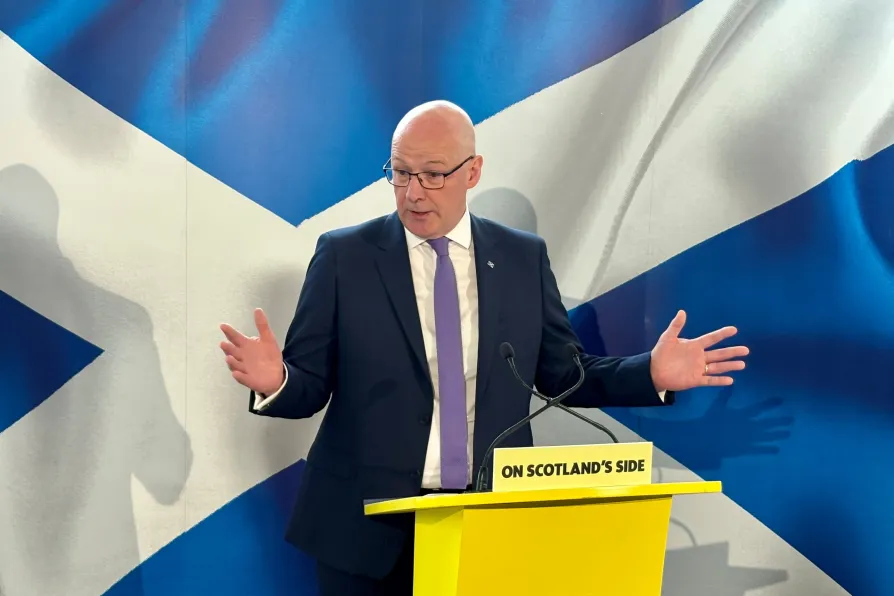
The new Scottish Parliament looks set to continue a cycle of managerial tinkering while public services face the axe, writes STEPHEN LOW
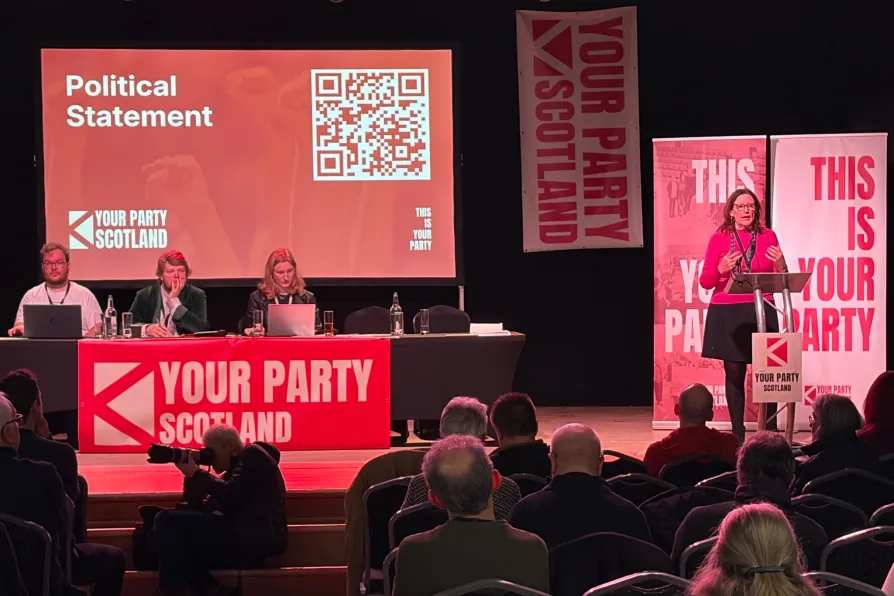
Last weekend’s inaugural conference mixed warmth, unity and ambition with the unmistakable echo of old arguments. MATT KERR wonders whether the fledgling party’s difficulties can be overcome