A new generation of right-wing politicians have shifted from promoting deregulation to championing anti-migrant politics warns SOLOMON HUGHES


 Latest editorial

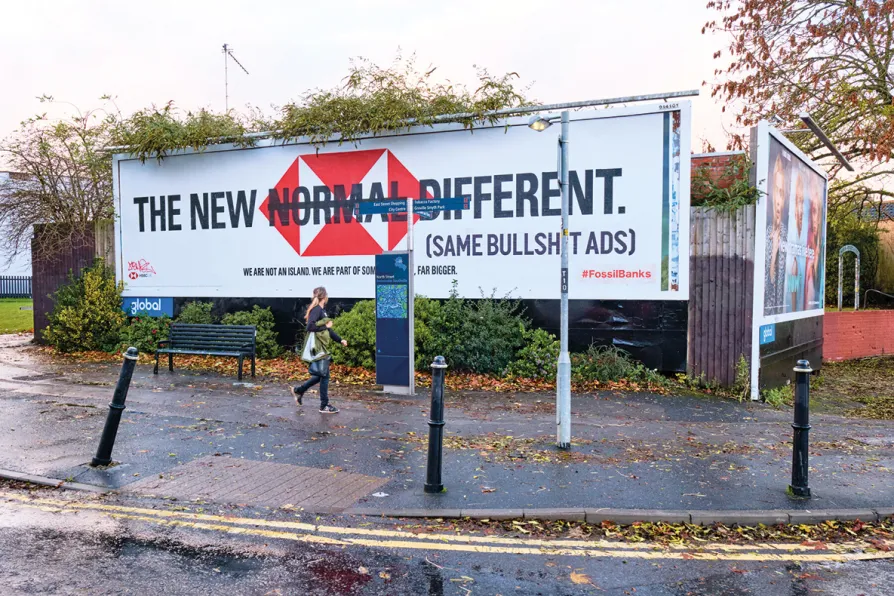
Taking back the billboards
TONA MERRIMAN explains why altering or removing the messages emblazoned on our city’s ad spaces is an essential part of the fight against climate change and capitalism itself

by the Greater Manchester Workers’ and Tenants’ Association
The US relationship with Israel has evolved into a strategic liability, argues RAMZY BAROUD
A champion motorcyclist, trade union organiser and communist, Clem Beckett went from Britain’s speedway tracks to the battlefields of Spain, where he gave his life resisting Franco’s forces at Jarama. GEOFF BOTTOMS pays tribute to this remarkable anti-fascist
The greatest threat to democracy may no longer come from political parties but from unelected tech oligarchs like Peter Thiel and his powerful Silicon Valley network, argues JOHN GREEN
Claiming to ease a fertiliser shortage, the Trump administration has suspended tariffs on Moroccan phosphate imports – deepening US support for the Morocco’s control over Sahrawi territory, writes LUKE ROTELLO


“When brands advertise on our street structures, they become part of the public social space, entering people’s thoughts and conversations.”
SO READS the unapologetic sales pitch of billboard giant Clear Channel. Consumer advertising has become so ubiquitous in our streets, on our phones, our websites, on public transport that it feels inescapable.
Often we have little choice as to whether we engage with it. Advertising has become the cultural water we swim in; re-enforcing the messages, priorities and ideologies of consumer capitalism at an everyday level.
The effect of companies bombarding us thousands of times a day is that, through the power of repetition and carefully presented imagery, big brands can portray a shiny version of themselves that masks their more destructive practices. This can leave us feeling subtly deceived; similar to when speaking to a dodgy salesman pushing a hard sell.

Similar stories