The Tories introduced the 50% strike ballot threshold to make industrial action harder. MATT WRACK argues that a Labour government has no justification for leaving it on the statute book


 Latest editorial
Big tech: monopoly, not anarchy
Dealing in data not coal or steel, the new monopoly barons are harder to identify or control than their predecessors — and even more powerful than run-of-the-mill billionaires. Their political interests present an old threat, in a frightening new form, explains JULIAN JONES
In the wake of Ann Widdecombe’s murder, JOHN GREEN wonders whether the government will really get to grips with the root cause of these attacks on our MPs
The new PM’s opening addresses offered hope, council homes and reform — but little detail on how any of it will be delivered, warns CLAUDIA WEBBE
Despite the screeching from the right-wing media, Burnham’s speech chimed with the public mood - and socialists should take advantage, says Morning Star editor BEN CHACKO
Scotland's Labour leader cannot continue to evade responsibility for the party's decline, argues LAUREN HARPER
Nature as well as society works dialectically, asserts the Marx Memorial Library and Workers’ School


“Crises of every kind — economic crises most frequently, but not only these — in their turn increase the tendency towards concentration and towards monopoly” — Lenin, 1916
MORE than a century later, those words ring particularly true in the times of Covid-19, an era in which a medical crisis has precipitated an economic crisis of proportions unseen since the Great Depression.
Much like the historical crises which Lenin had been analysing, the coronavirus-triggered crisis we are living through can be characterised by a distillation in the wealth of the largest companies.
This accrual of wealth by the richest can be seen most starkly in recent figures by UBS Bank showing that there are now more than 2,189 billionaires, with a record collective wealth of $10.2 trillion.
Among this layer of uber-wealth, the “big five” tech giants have been the biggest winners. Microsoft and Amazon now have valuations of comfortably over $1 trillion, while Google (known as Alphabet) comes close to the trillion-dollar figure, and Facebook is valued in the region of $700 billion. Apple has now become the first company to reach a $2 trillion valuation.

Similar stories
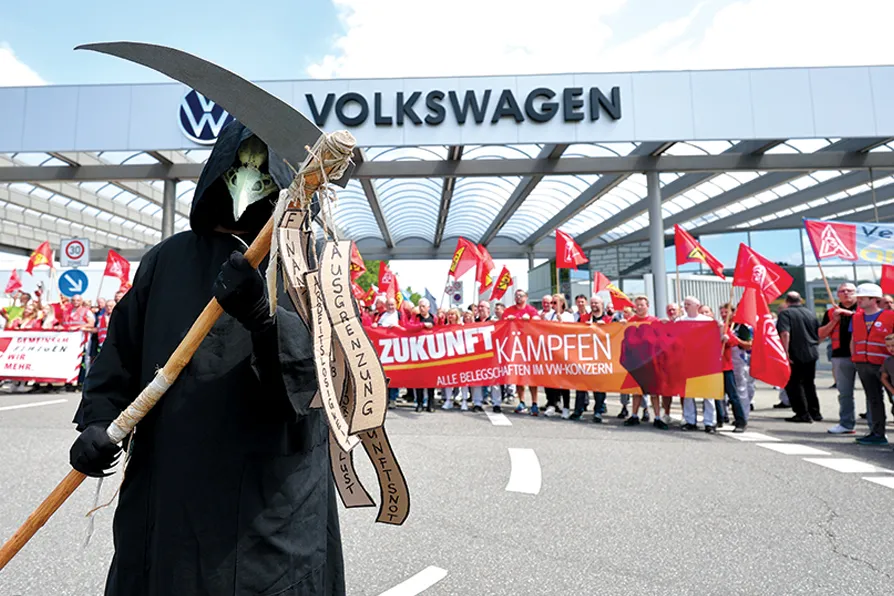
The future does not have to be climate chaos and social breakdown. MARC VANDEPITTE looks at the alternatives offered by the Global Justice Report, co-authored by Thomas Piketty
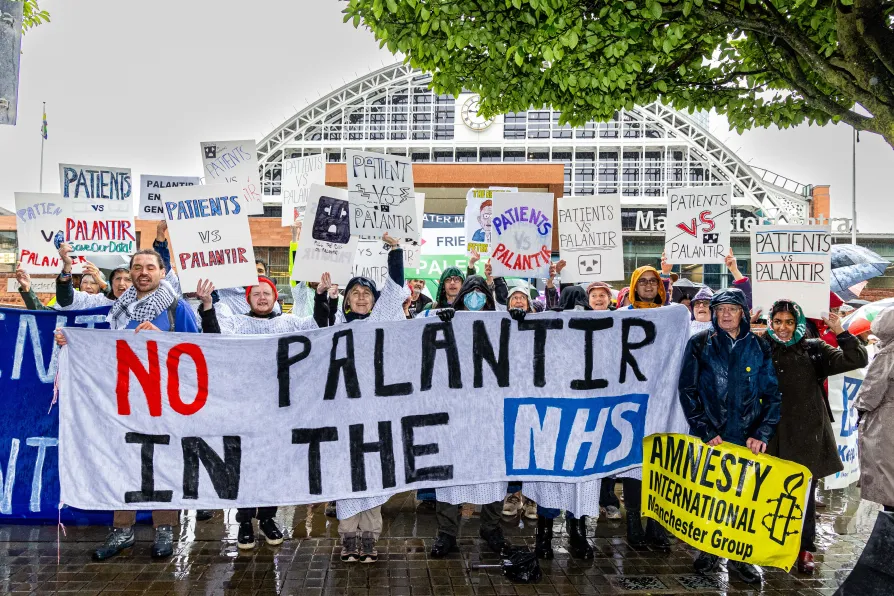


PAUL W FLEMING is unequivocal that Labour’s unpreparedness and resulting ambiguity on copyright in the creative industries has to be reined in with policies that will reverse the growing abuse by Big Tech AI